VenaSeal Glue Treatment in Delhi
A minimally invasive, non-thermal procedure that uses a specialised medical adhesive to close selected veins affected by venous reflux — generally without routine compression stockings.
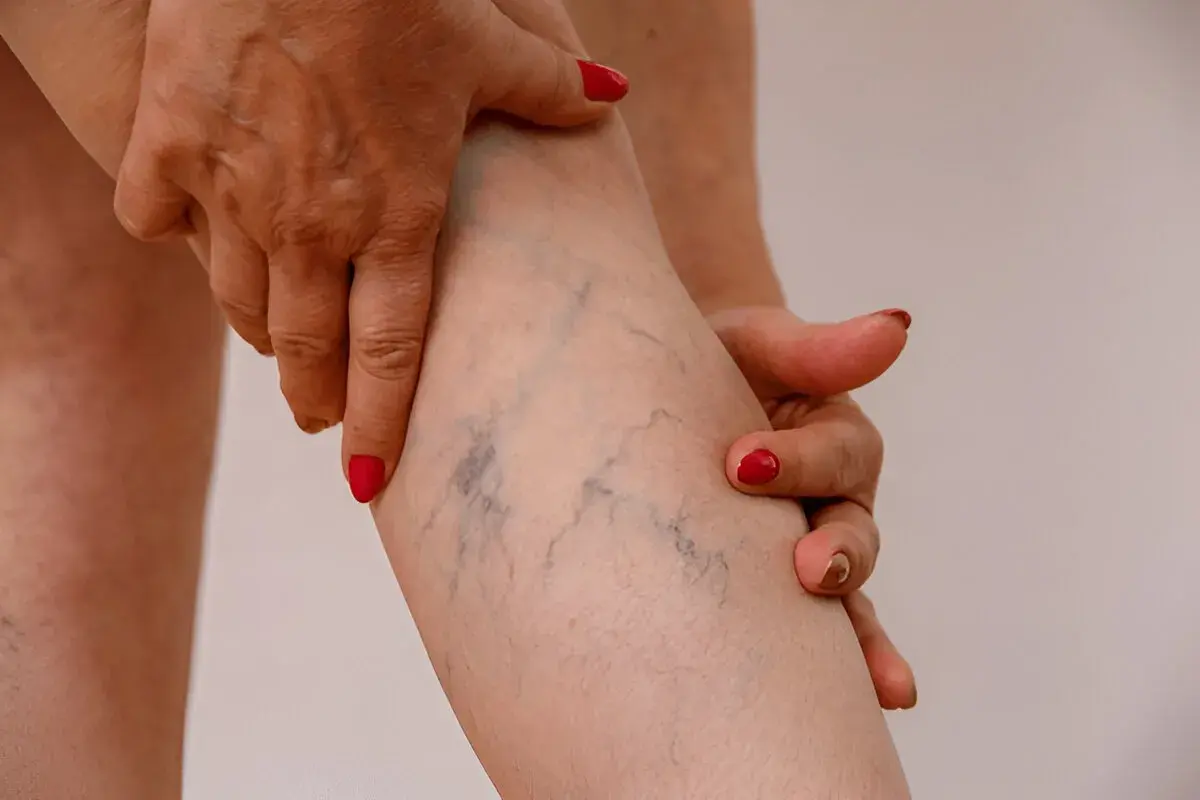
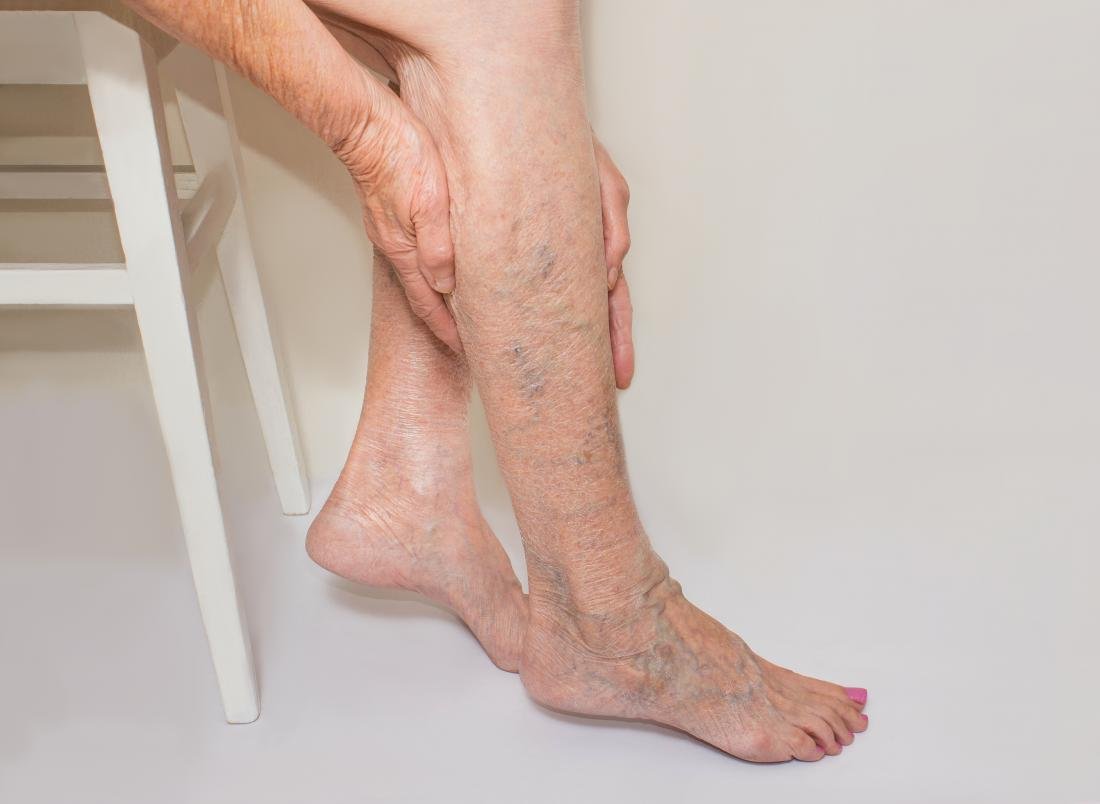
Varicose veins can cause persistent leg discomfort, swelling and heaviness, particularly after standing or sitting for extended periods. These symptoms may develop when the valves inside the superficial veins stop working properly, allowing blood to flow backwards and collect in the affected veins.
VenaSeal™ glue treatment is a minimally invasive procedure that uses a specialised medical adhesive to close selected veins affected by venous reflux. Unlike laser and radiofrequency ablation, it does not use heat to close the vein.
Dr. Achintya Sharma, Vascular and Endovascular Surgeon in Delhi, evaluates vascular conditions and helps patients understand the treatment options appropriate for their individual needs.
If you are considering glue treatment for varicose veins in Delhi, a vascular consultation and duplex ultrasound assessment can help determine whether VenaSeal is suitable for your condition.
What Is VenaSeal Glue Treatment?
VenaSeal is a catheter-based procedure used to close selected superficial veins that allow blood to flow backwards because of faulty vein valves. It uses a specially formulated medical adhesive delivered into the target vein under ultrasound guidance.
After the affected vein closes, blood is redirected through other functioning veins. This helps address the abnormal circulation associated with superficial venous reflux.
VenaSeal differs from endovenous laser ablation and radiofrequency ablation because it uses adhesive rather than thermal energy. It also generally avoids the extensive tumescent anaesthesia injections associated with thermal procedures.
Another potential advantage is that routine compression stockings are generally not required after VenaSeal treatment, although individual recommendations may vary.
The procedure is not suitable for every type of varicose vein. A vascular specialist must assess your symptoms, ultrasound findings, vein anatomy and medical history before recommending treatment.
How Does VenaSeal Work?
VenaSeal works by delivering a controlled amount of medical adhesive into a selected superficial vein through a specialised catheter. The procedure generally involves three main steps:
Identify the Vein
Duplex ultrasound locates the vein and confirms the pattern of venous reflux.
Deliver the Adhesive
The doctor positions the catheter under ultrasound guidance and applies the adhesive per protocol.
Close the Vein
The adhesive brings the vein walls together, closing the treated segment.
Redirect Blood Flow
Blood is redirected through other healthy, functioning veins.
Post-Procedure Check
Immediate result is assessed and follow-up advice is provided.
The aim is to treat the underlying venous reflux rather than simply improve the appearance of prominent veins.
Who May Be Suitable for VenaSeal Treatment?
VenaSeal may be considered for adults with symptomatic superficial venous reflux confirmed by duplex ultrasound. The affected vein must also be suitable for adhesive closure.
Your doctor may consider this treatment if:
- You have symptomatic varicose veins associated with superficial venous reflux.
- Ultrasound findings identify a suitable vein for treatment.
- You want to explore a non-thermal treatment option.
- You prefer an approach that generally does not require routine post-procedure compression stockings.
- Your medical history and clinical findings support the use of adhesive closure.
VenaSeal is not appropriate for everyone
Previous hypersensitivity to cyanoacrylate adhesives, acute superficial thrombophlebitis, thrombophlebitis migrans and acute sepsis are among the contraindications listed in the manufacturer's safety information.
A specialist assessment is important because laser ablation, radiofrequency ablation, sclerotherapy or other treatments may be more appropriate depending on the type and extent of venous disease.
What Happens During the VenaSeal Procedure?
The treatment process is planned according to your ultrasound findings, symptoms and medical history.
Vascular Consultation
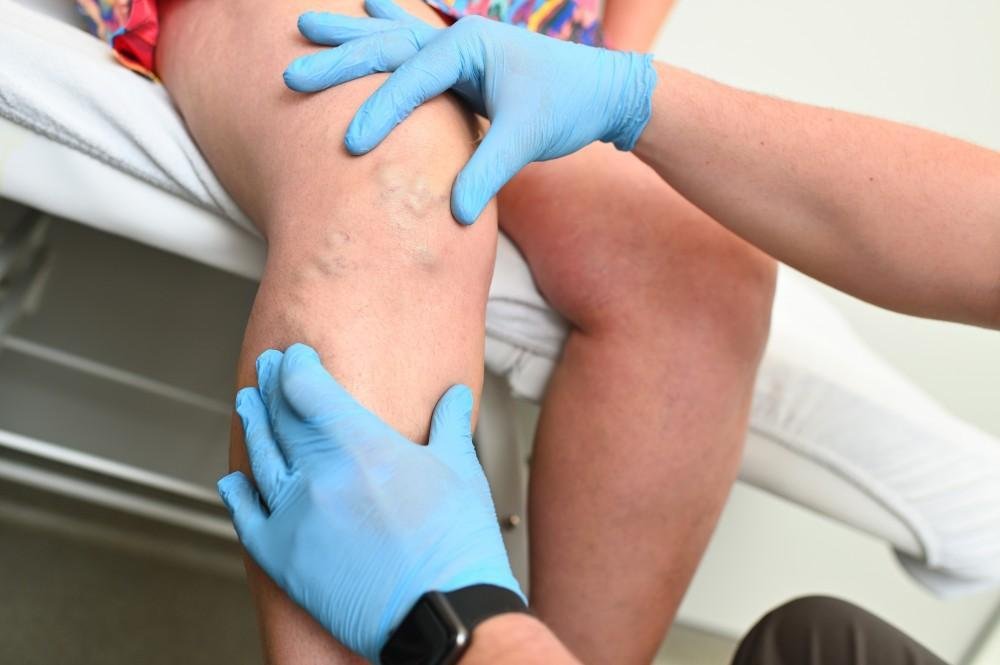
Dr. Achintya Sharma reviews your symptoms, previous treatments and relevant medical history. This assessment helps establish whether further investigations or a minimally invasive procedure may be appropriate.
Duplex Ultrasound
Duplex ultrasound evaluates blood flow and identifies the veins affected by reflux. It also helps determine the location and extent of the vein that may need treatment.
Preparation & Anaesthesia
The treatment area is prepared, and local anaesthesia is generally used at the catheter entry site. Unlike thermal ablation, VenaSeal typically does not require multiple tumescent anaesthesia injections along the treated vein.
Adhesive Delivery
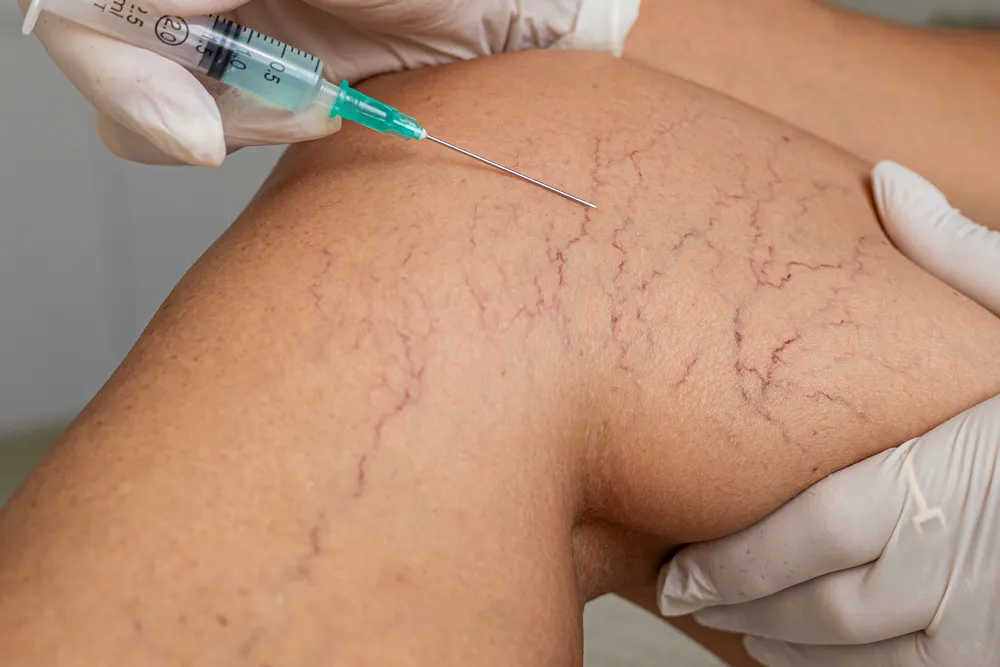
A specialised catheter is guided into the target vein under ultrasound. The doctor delivers the adhesive in controlled amounts while applying the required external compression.
Post-Procedure Assessment
The doctor assesses the immediate result and provides instructions for walking, wound care, daily activities and follow-up. Additional ultrasound assessment may be recommended according to the clinical situation.
What Are the Benefits of VenaSeal Glue Treatment?
For appropriately selected patients, VenaSeal offers an alternative to thermal ablation and conventional vein surgery.
Treatment Without Thermal Energy
VenaSeal uses medical adhesive rather than laser or radiofrequency heat. This may be an important consideration when comparing treatment options.
Minimally Invasive Technique
The adhesive is delivered through a catheter inserted via a small access site, avoiding the larger incisions associated with traditional vein-stripping surgery.
Less Tumescent Anaesthesia
The procedure generally avoids the multiple injections of tumescent anaesthesia used during thermal vein ablation.
Usually No Routine Stockings
Routine compression stockings are generally not required after VenaSeal. Your doctor may recommend compression in particular circumstances.
Return to Daily Activities
Many patients can walk soon after treatment and return to normal activities relatively quickly. Recovery depends on individual circumstances.
Treatment of Venous Reflux
Closing an incompetent superficial vein addresses the abnormal blood flow contributing to varicose veins. It does not eliminate the possibility of new varicose veins in the future.
The expected benefits and limitations should be discussed with your vascular specialist before treatment.
VenaSeal vs Laser Treatment vs Radiofrequency Ablation
VenaSeal, endovenous laser ablation and radiofrequency ablation are minimally invasive options for selected cases of superficial venous reflux. Each procedure uses a different technique.
VenaSeal Glue Treatment
A specialised medical adhesive closes the affected vein without using heat.
Routine post-procedure compression stockings are generally not required.
Endovenous Laser Ablation (EVLA)
Laser energy heats and closes the target vein.
Tumescent anaesthesia is generally administered around the vein during treatment.
Radiofrequency Ablation (RFA)
Radiofrequency energy produces controlled heat to close the affected vein.
This technique also generally requires tumescent anaesthesia.
There is no single option that is best for every patient. The decision depends on vein anatomy, duplex ultrasound results, medical history, contraindications, treatment availability and patient preferences.
During a consultation for varicose vein treatment in Delhi, ask your specialist to explain the benefits and limitations of each suitable option.
What Is Recovery Like After VenaSeal?
Recovery varies according to the extent of treatment and individual health factors. Many patients can walk soon after the procedure and gradually return to their usual activities.
Your doctor may advise you to:
- Walk as directed after treatment.
- Follow wound-care instructions for the catheter entry site.
- Observe any temporary restrictions on strenuous activities.
- Attend recommended follow-up appointments.
- Report unexpected or worsening symptoms promptly.
Seek urgent medical attention if you develop:
- Sudden breathlessness
- Chest pain
- Severe, rapidly increasing leg swelling
Some patients experience tenderness, bruising, swelling or inflammation around the treated vein. Follow-up requirements vary.
What Are the Risks and Side Effects of VenaSeal?
Although VenaSeal is minimally invasive, it is not free from complications. Potential adverse effects include:
Your medical history is important when assessing the risk of an adhesive reaction. Certain conditions, including previous hypersensitivity to cyanoacrylates and specific active inflammatory or infectious conditions, may make VenaSeal unsuitable.
Discuss the expected benefits, possible complications and alternative treatments with your vascular specialist before making a decision.
Why Consult Dr. Achintya Sharma for VenaSeal in Delhi?
Choosing the right treatment for varicose veins requires an accurate diagnosis and an understanding of how blood flows through the affected veins.
Dr. Achintya Sharma
Vascular and Endovascular Surgeon in Delhi who evaluates vascular conditions and discusses appropriate treatment options with patients.
A consultation can help you understand:
- Whether your symptoms are associated with venous reflux
- What your duplex ultrasound findings indicate
- Whether VenaSeal is suitable for your affected veins
- How glue treatment compares with laser and radiofrequency ablation
- The expected recovery, possible risks and follow-up requirements
- Which alternative treatments may be appropriate