Deep Vein Thrombosis (DVT) Treatment in Delhi
Deep Vein Thrombosis, commonly known as DVT, is a serious vascular condition in which a blood clot forms inside a deep vein, usually in the legs. These clots can partially or completely block blood flow and may become life-threatening if they travel to the lungs, causing pulmonary embolism. Many patients ignore early symptoms like swelling, calf pain, redness, or heaviness in one leg, assuming they are temporary muscular issues. However, delayed diagnosis and treatment can lead to severe complications including chronic leg swelling, venous ulcers, lung complications, and recurrent clot formation.
Dr. Achintya Sharma is an experienced Vascular and Endovascular Surgeon in Delhi providing advanced Deep Vein Thrombosis treatment using modern vascular diagnostics, blood clot management, minimally invasive procedures, and long-term clot prevention strategies. His treatment approach focuses on early diagnosis, restoring healthy circulation, reducing complications, and preventing recurrence of blood clots.
Patients experiencing sudden leg swelling, calf pain, vein blockage, venous thrombosis symptoms, or circulation-related discomfort can benefit from timely vascular evaluation and advanced DVT treatment in Delhi.
What Is Deep Vein Thrombosis (DVT)?
Deep Vein Thrombosis occurs when a blood clot develops inside the deep veins of the body, most commonly in the legs. These veins are responsible for carrying blood back toward the heart. When a clot blocks blood flow, pressure increases inside the veins, causing swelling, pain, and circulation problems.
In severe cases, a part of the clot may break away and travel to the lungs, causing pulmonary embolism (PE), which is considered a medical emergency.
DVT can affect people of all age groups, but the risk increases significantly with age, prolonged immobility, surgery, smoking, obesity, and certain medical conditions.
Causes of Deep Vein Thrombosis
Blood normally flows smoothly through veins without clotting. DVT develops when blood flow slows down, blood becomes more likely to clot, or the vein wall gets damaged. Several medical and lifestyle factors can increase the chances of clot formation.
Major Causes & Risk Factors
- Long periods of sitting or bed rest
- Long-distance travel or flights
- Recent surgery or hospitalization
- Smoking and tobacco use
- Obesity
- Pregnancy and postpartum changes
- Cancer and chemotherapy
- Hormonal medications or contraceptive pills
- Family history of blood clots
- Increasing age
- Lack of physical activity
- Vein injury or trauma
People working desk jobs, traveling frequently, or recovering after surgery are often at higher risk of developing DVT.
Symptoms of DVT
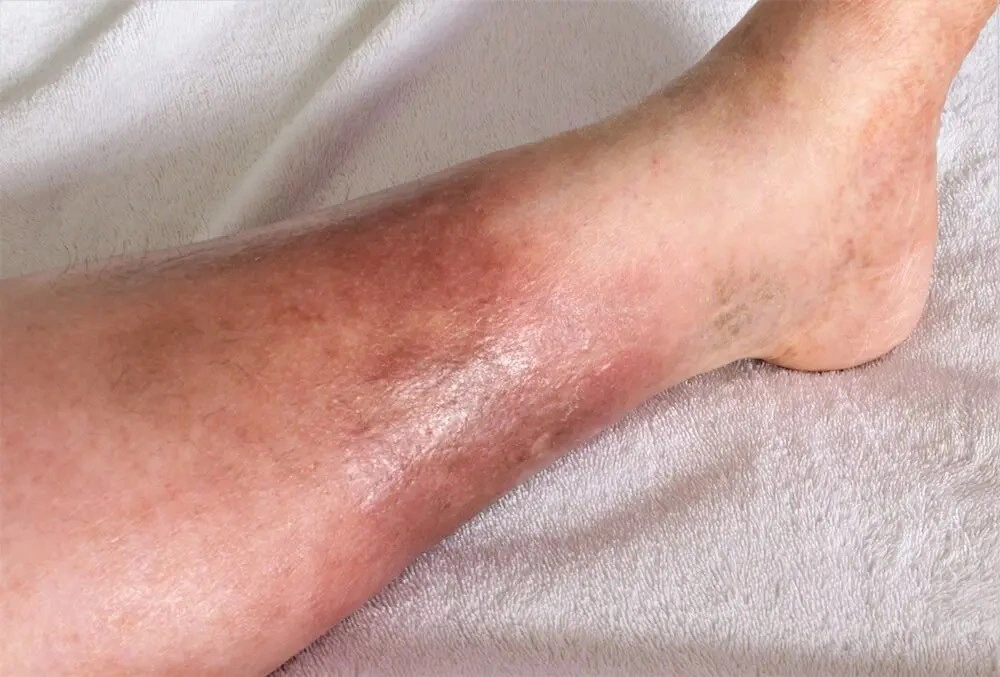
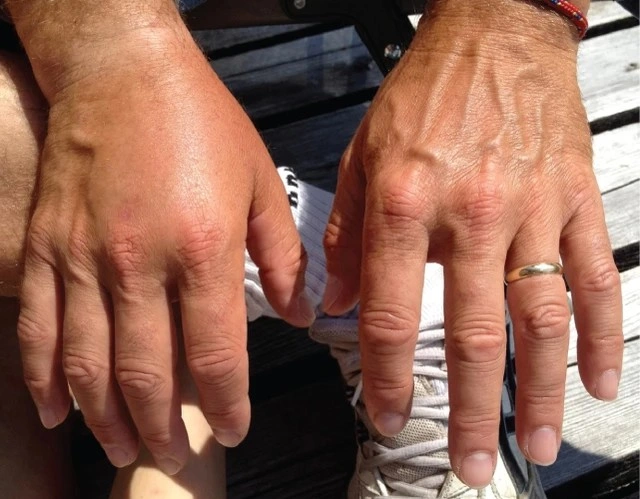
The symptoms of DVT can range from mild discomfort to severe swelling and pain. In many cases, the condition affects only one leg. Symptoms may appear suddenly and gradually worsen if treatment is delayed.
If DVT is associated with pulmonary embolism, symptoms may also include chest pain, breathing difficulty, rapid heartbeat, or coughing blood. Immediate medical attention is necessary in such cases.
Diagnosis of Deep Vein Thrombosis in Delhi
Early diagnosis is extremely important because untreated blood clots can become dangerous. Dr. Achintya Sharma uses advanced vascular imaging and clot assessment techniques to confirm DVT and evaluate clot severity.
Doppler Ultrasound for DVT
Doppler ultrasound is one of the most effective and commonly used tests for identifying blood clots in deep veins.
Benefits of Doppler Ultrasound: Non-invasive test, Detects vein blockage, Evaluates blood flow, Quick and painless procedure, Helps identify clot location.
D-Dimer Blood Test
A D-Dimer blood test may help identify abnormal clotting activity inside the body.
Advantages of D-Dimer Testing: Supports early diagnosis, Helps assess clot risk, Useful in emergency evaluation.
CT Venography & Advanced Imaging
In complex or high-risk cases, CT scans or venography may be recommended for detailed vascular assessment.
Benefits of Advanced Imaging: Detailed clot visualization, Evaluates pulmonary embolism risk, Helps guide treatment planning.
Advanced DVT Treatment in Delhi
Treatment for Deep Vein Thrombosis focuses on preventing clot growth, improving blood circulation, reducing swelling, and preventing pulmonary embolism. Dr. Achintya Sharma provides personalized DVT treatment depending on clot size, location, and overall health condition.
Blood Thinner (Anticoagulant) Therapy
Blood-thinning medicines are commonly used to stop clot growth and reduce the risk of new clot formation.
Benefits of Anticoagulant Treatment: Prevents clot enlargement, Reduces pulmonary embolism risk, Improves blood flow, Lowers recurrence chances.
Compression Therapy
Compression stockings improve circulation in the legs and help reduce swelling and discomfort.
Benefits of Compression Stockings: Reduces swelling, Improves venous circulation, Prevents long-term vein damage, Supports faster recovery.
Pharmacomechanical Thrombectomy
In severe DVT cases, advanced clot-removal procedures may be recommended to restore circulation quickly and reduce vein damage.
Advantages of Clot Removal Procedures: Restores blood flow rapidly, Reduces clot burden, Prevents post-thrombotic syndrome, Improves long-term vein health.
IVC Filter Placement
For patients at high risk of pulmonary embolism, Inferior Vena Cava (IVC) filters may be used to stop clots from reaching the lungs.
Benefits of IVC Filters: Reduces pulmonary embolism risk, Protects lung circulation, Helpful in high-risk patients.
Why Choose Dr. Achintya Sharma for DVT Treatment in Delhi?
Deep Vein Thrombosis requires specialized vascular expertise because delayed treatment can lead to life-threatening complications. Dr. Achintya Sharma focuses on evidence-based DVT care using advanced vascular technology and minimally invasive treatment methods.
Benefits of Early DVT Treatment
Timely diagnosis and treatment can significantly reduce complications and improve recovery.
Ignoring symptoms of DVT may increase the risk of pulmonary embolism, chronic leg swelling, and permanent vein damage.