An atrioventricular fistula (AV fistula) is an abnormal connection between an artery and a vein, bypassing the smaller capillaries. This condition can cause a variety of health issues, ranging from insufficient blood flow to tissues to complications for vital organs like the heart. AV may develop naturally or be surgically created for medical purposes. In this blog, we will explore the causes, symptoms, and treatment options for atrioventricular fistulas while addressing common questions about the condition.
What is an Atrioventricular Fistula?
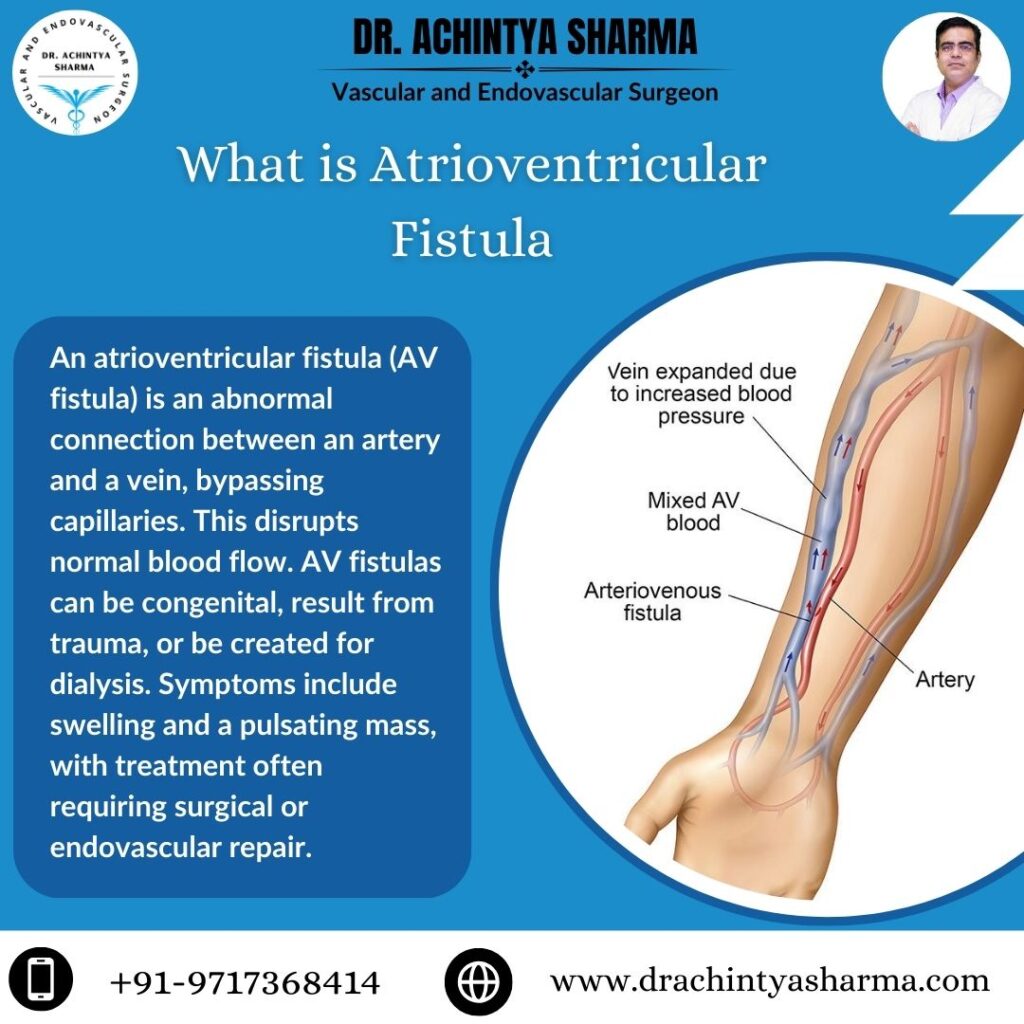
An atrioventricular fistula is a condition where an artery and vein are directly connected, allowing blood to bypass capillaries. This direct passage creates an abnormal flow of blood, which can strain the heart and deprive surrounding tissues of oxygen. While atrioventricular fistulas can occur in various parts of the body, they are most commonly found in the arms or legs. They can either be congenital (present from birth) or acquired later in life due to trauma, surgery, or underlying health conditions.
Causes of Atrioventricular Fistula
There are several reasons why an atrioventricular fistula might develop, including:
- Congenital defects: Some individuals are born with atrioventricular fistulas due to developmental issues in blood vessel formation.
- Trauma or injury: A traumatic injury, such as a stab wound or bullet injury, can result in an artery and vein becoming connected.
- Medical procedures: Atrioventricular fistulas are sometimes deliberately created during surgical procedures, particularly for patients undergoing dialysis. This man-made fistula allows healthcare providers to access blood vessels more efficiently.
- Health conditions: Conditions like atherosclerosis (hardening of the arteries) or certain infections can also lead to the formation of atrioventricular fistulas.
Symptoms of Atrioventricular Fistula
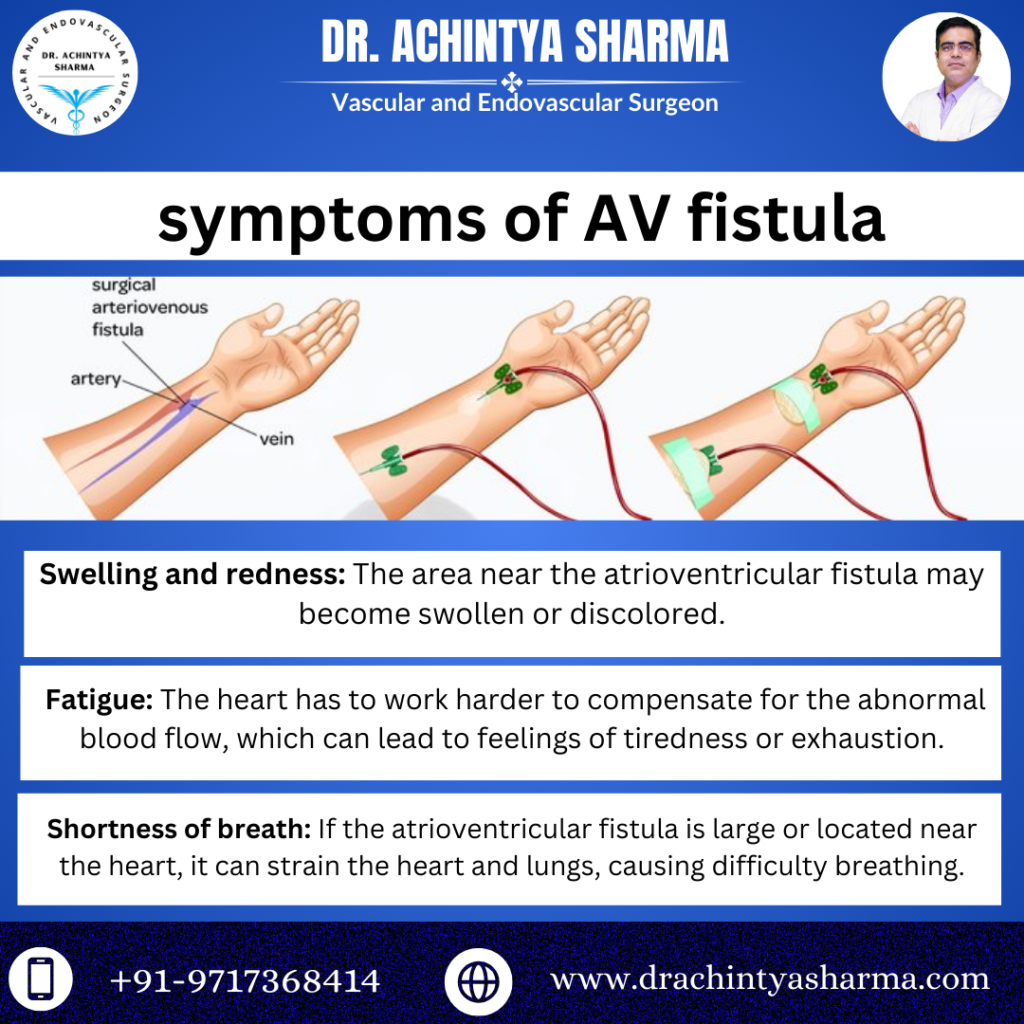
The symptoms of an atrioventricular fistula can vary based on its size and location. Some small atrioventricular fistulas may not cause any noticeable symptoms, while larger or more severe atrioventricular fistulas can lead to serious health issues. Common symptoms include:
- Swelling and redness: The area near the atrioventricular fistula may become swollen or discolored.
- Fatigue: The heart has to work harder to compensate for the abnormal blood flow, which can lead to feelings of tiredness or exhaustion.
- Heart palpitations: Irregular heartbeats or a rapid heart rate may occur due to increased blood flow.
- Warm skin: The area around the atrioventricular fistula may feel warmer to the touch due to increased blood flow.
- Pulsating veins: The veins near the atrioventricular fistula may appear enlarged or feel as if they are throbbing.
If left untreated, large atrioventricular fistulas can lead to more serious complications, such as heart failure, because the heart is forced to pump harder to manage the abnormal blood flow.
Diagnosing Atrioventricular Fistula
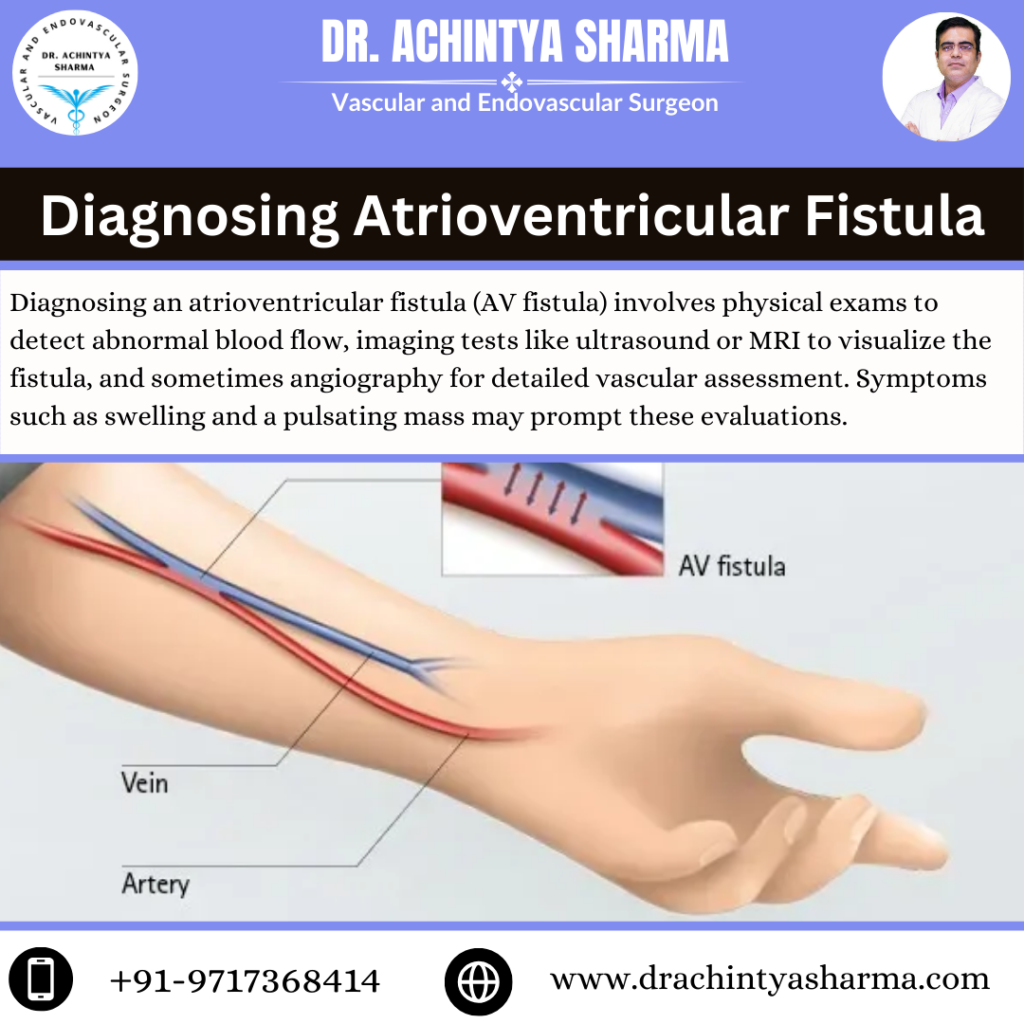
To diagnose an atrioventricular fistula, a healthcare provider will typically perform a physical examination and may recommend various imaging tests. Common diagnostic tools include:
- Doppler ultrasound: This non-invasive test uses sound waves to visualize blood flow and can help identify the presence and location of an AV
- Angiography: This imaging test involves injecting a contrast dye into the
- blood vessels to provide detailed images of arteries and veins.
- Magnetic resonance imaging (MRI): MRI scans may be used to get a clearer picture of the affected area and assess the size of the AV
Treatment Options for Atrioventricular Fistula
The treatment of an depends on its size, location, and severity. For smaller atrioventricular fistulas that do not cause significant symptoms, monitoring may be the recommended approach. However, if the atrioventricular fistula is large or causes complications, more active treatments may be necessary, including:
- Surgery: Surgical repair is often the most effective treatment for large or problematic atrioventricular fistulas. The surgeon will close the abnormal connection between the artery and vein, restoring normal blood flow.
- Endovascular techniques: In some cases, minimally invasive procedures such as embolization or stenting can be used to treat atrioventricular fistulas. These procedures involve inserting a catheter into the blood vessels to block the fistula or reinforce the vessel walls.
- Medication: If the atrioventricular fistula is causing heart-related issues or other complications,Doctors may prescribe medication to help manage symptoms and prevent further damage.
AV Fistula and Dialysis
While atrioventricular fistulas are generally problematic when they develop spontaneously, they play a critical role in the treatment of chronic kidney disease. For patients who require regular dialysis,surgically created in the arm to provide easy access to the bloodstream. This type of atrioventricular fistula is considered the best long-term option for dialysis because it is less prone to infections and other complications compared to synthetic grafts or catheters.
Preventing Complications
To minimize the risk of complications, it is important to manage any underlying health conditions that could contribute to the development of an atrioventricular fistula. For example, controlling blood pressure, managing diabetes, and avoiding smoking can help reduce the likelihood of developing vascular issues. If you have an dialysis, it is essential to follow your doctor’s care instructions, including keeping the area clean and avoiding heavy lifting with the affected arm.
Conclusion
An atrioventricular fistula is a serious condition that requires careful medical attention. Whether it occurs naturally or is surgically created for dialysis, medical professionals must monitor and treat atrioventricular fistulas to prevent complications. If you experience any symptoms such as fatigue, swelling, or shortness of breath, seek medical advice to ensure timely treatment and management of the condition.By staying informed and following your doctor’s guidance, you can better manage an atrioventricular fistula and reduce the risk of serious complications.