
Table of Contents
Peripheral Artery Disease is a common but often ignored circulation problem that affects millions of people worldwide. It develops slowly and silently, which makes it easy to miss in the early stages. Many people confuse its signs with normal leg pain or tiredness. However, untreated it can lead to serious complications and reduced quality of life. The good part is that being aware early can make a significant difference.With appropriate lifestyle adjustments and timely medical intervention, this condition can be effectively controlled. Experts like Dr. Achintya Sharma emphasize early diagnosis to prevent long-term damage.
What Is Peripheral Artery Disease?
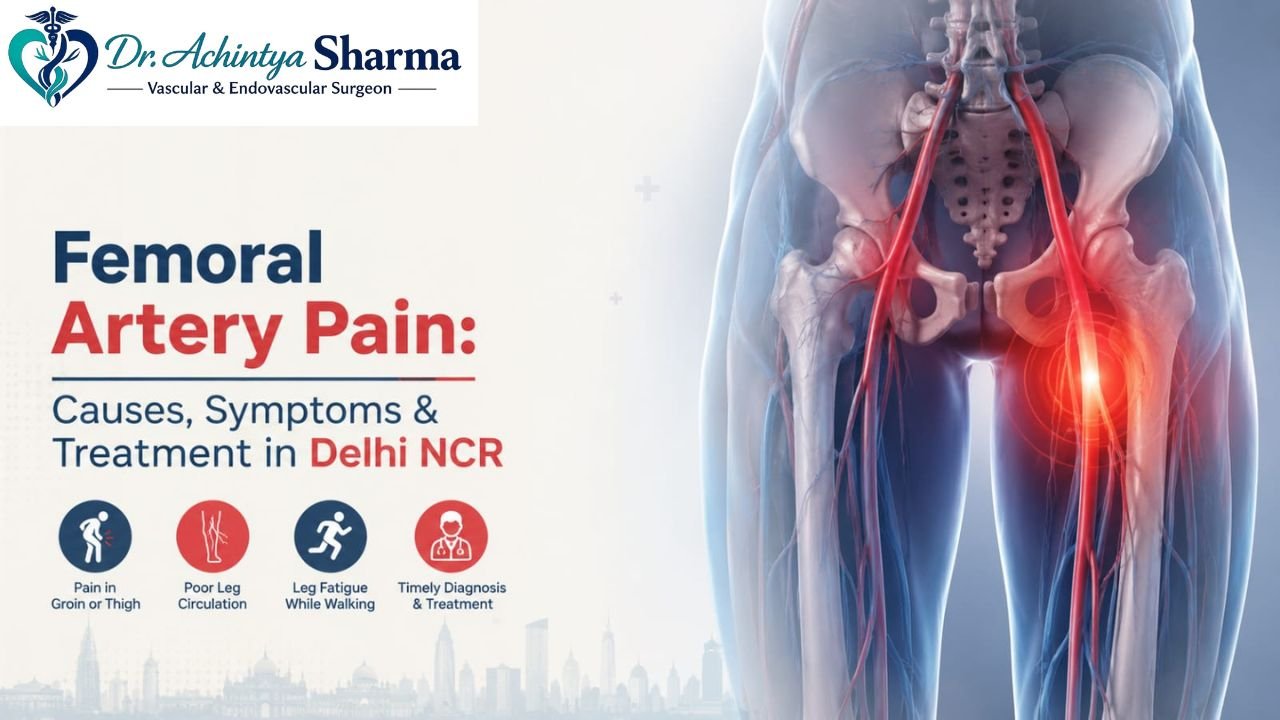
It occurs when blood vessels that carry blood to the legs are narrowed or obstructed. This usually happens due to plaque buildup inside the arteries. As blood flow reduces, muscles and tissues do not get enough oxygen. This leads to pain, weakness, and other discomforts.This mainly affects the legs, but it is also a warning sign of poor overall circulation. People with this condition often have a higher risk of heart attack and stroke. That is why understanding this condition is important for long-term health.
Key Symptoms of Peripheral Artery Disease
The signs of this condition usually appear slowly. These symptoms are often ignored until the condition progresses.
Common signs include:
- Leg pain while walking
Pain or cramping in the calf, thigh, or hip during walking that improves with rest. - Coldness in lower leg or foot
One leg or foot may feel colder than the other due to poor blood flow. - Numbness or weakness
Reduced circulation can cause tingling or weakness in the legs. - Slow-healing wounds
Cuts or sores on feet that take longer to heal are a common sign. - Skin color changes
The skin may look pale, bluish in color, or unusually shiny.
According to Dr. Achintya Sharma, recognizing these early signs of Peripheral Artery Disease helps prevent serious complications.
Why Peripheral Artery Disease Should Not Be Ignored
Ignoring this condition can be dangerous. Reduced blood flow can damage tissues over time. In severe cases, it may lead to infections, ulcers, or even limb loss.This condition also increases the risk of heart disease and stroke. This is because blocked arteries in the legs often indicate similar blockages elsewhere in the body.Dr. Achintya Sharma strongly advises early medical attention to avoid long-term complications and maintain mobility.
Effective Prevention Tips for Peripheral Artery Disease
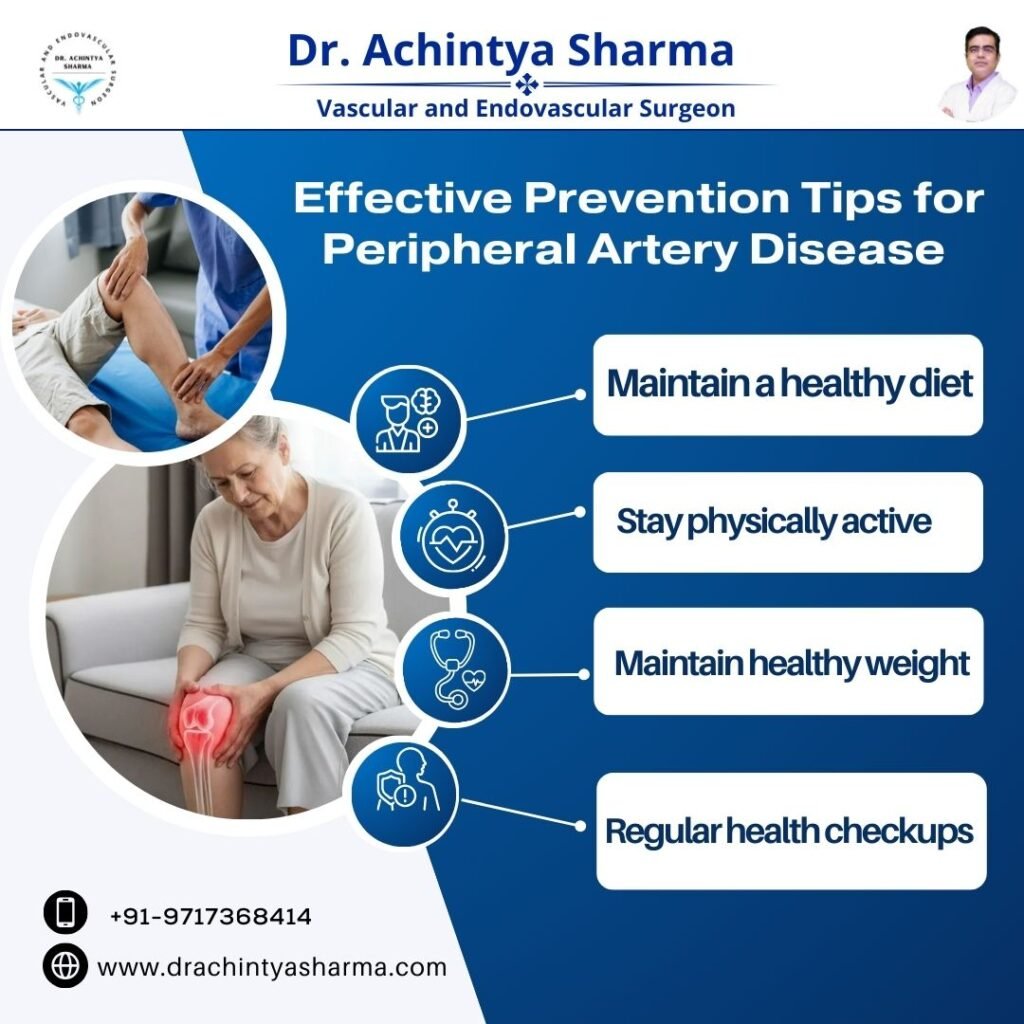
Fortunately, healthy lifestyle habits can help prevent or manage this condition effectively.
1. Quit smoking
Smoking harms blood vessels and accelerates plaque formation. Quitting is the most important step.
2. Stay physically active
Regular walking helps improve blood flow and reduces related symptoms.
3. Maintain a healthy diet
Follow a nutritious diet filled with fruits, vegetables, whole grains, and lean protein. Avoid excess salt and fried foods.
4. Manage blood sugar and blood pressure
Proper control reduces artery damage and improves circulation.
5. Maintain healthy weight
Weight management reduces strain on blood vessels.
6. Regular health checkups
Regular screening supports early detection and reduces the risk of complications.
Diagnosis and Treatment of Peripheral Artery Disease
This condition is diagnosed through simple and painless tests that allow doctors to assess blood flow in the legs. These tests may include comparing blood pressure in the arms and legs, along with ultrasound or imaging scans to detect narrowed or blocked arteries. Once the condition is confirmed, treatment depends on how severe it is. In most cases, lifestyle changes are recommended to improve circulation and overall vascular health. Medications may be prescribed to increase blood flow, control cholesterol levels, and manage blood pressure. In advanced cases, medical procedures may be required to restore proper circulation.
FAQs About Peripheral Artery Disease
Q1. Is this condition curable?
This condition cannot be completely cured, but it can be effectively managed with early treatment and healthy lifestyle changes.
Q2. Can young people get Peripheral Artery Disease?
Yes, especially those who smoke, have diabetes, or live a sedentary lifestyle.
Q3. Is walking beneficial for this condition?
Yes, regular walking improves circulation and reduces leg pain.
Q4. How serious is Peripheral Artery Disease?
Ignoring this condition may result in severe complications, including infections and cardiovascular issues.
Q5. When should I consult a doctor?
Consult a specialist like Dr. Achintya Sharma if you notice leg pain, numbness, or slow-healing wounds.
Conclusion
Early diagnosis makes it possible to manage this blood flow–related condition successfully. Its symptoms may seem mild at first, but they should never be ignored. Simple lifestyle changes, regular exercise, and timely medical care can significantly improve blood flow and overall health. Peripheral Artery Disease also serves as a warning sign for heart-related risks, making early action even more important. With expert guidance from Dr. Achintya Sharma, patients can manage symptoms effectively and prevent complications. Early awareness and timely care play a vital role in maintaining mobility and overall well-being despite vascular health challenges.