
Do your legs ache when you walk but feel fine once you rest? That pain could be more than just tiredness — it might be a sign of PAD.
In this blog, Peripheral Artery Disease Explained: A Complete Guide, you’ll discover what PAD is, why it happens, and how you can treat it effectively. With insights from Dr Achintya Sharma, we’ll break this condition into simple, understandable terms so you can take charge of your vascular health and keep your circulation strong for life.
What Is Peripheral Artery Disease?
Peripheral artery disease is a condition where your arteries become narrowed due to fatty deposits (plaque), reducing blood flow to your limbs — most often your legs. This process, called atherosclerosis, restricts the oxygen your muscles need.
You may feel pain, cramps, or numbness while walking—a symptom known as intermittent claudication. In advanced stages, pain may persist even at rest, and wounds may heal very slowly.
Dr Achintya Sharma explains that peripheral artery disease isn’t just a leg problem — it’s a warning that your whole circulatory system needs attention. People with PAD are at a higher risk of heart attack and stroke, making early diagnosis crucial.
Why You Should Care About Peripheral Artery Disease
Peripheral artery disease often starts quietly. Many people mistake it for normal ageing or muscle tiredness. But ignoring it can lead to serious health risks — including limb damage and heart complications.
Here’s why understanding PAD is so important:
- It affects millions of people — often without symptoms at first.
- It progresses silently, showing signs only when blockages are severe.
- It’s closely linked to heart health.
- Early detection can literally save your limbs — and your life.
Common Symptoms
Recognizing PAD early can prevent complications. Watch out for:
- Leg pain or cramps during activity, relieved by rest
- Numbness or weakness in legs or feet
- Cold, pale, or discolored skin
- Sores or wounds that heal slowly
- Pulse that’s barely noticeable or completely gone in the feet.
If these signs sound familiar, don’t ignore them — get checked by a specialist.
Major Risk Factors
According to Dr. Achintya Sharma, these are the leading causes and risk factors for PAD:
- Smoking – the top contributor to PAD
- Diabetes
- High cholesterol
- High blood pressure
- Obesity or inactivity
- Family history of vascular disease
PAD develops slowly over time. Once symptoms appear, it’s a sign to act quickly.
Prevention and Treatment Options
The great news is that PAD can be managed — and even slowed down — through smart habits and timely treatment.
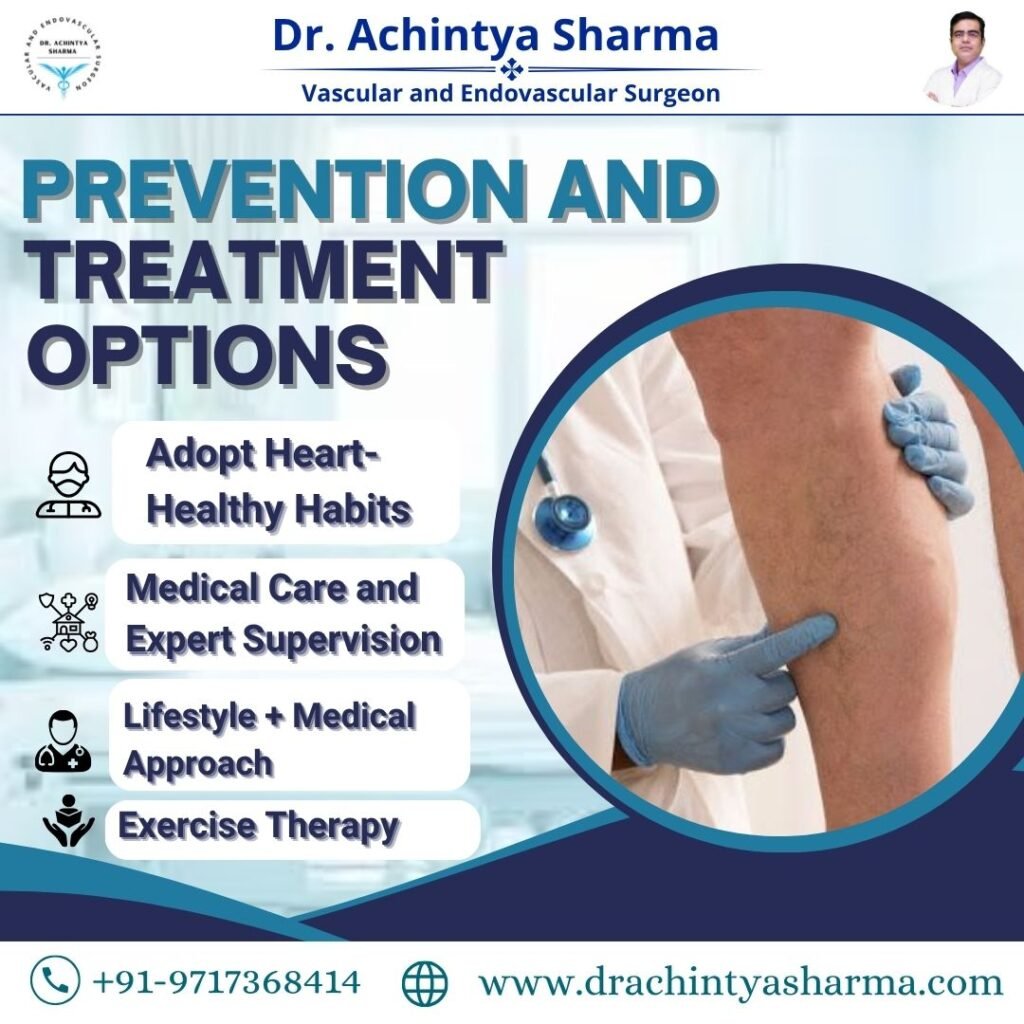
1. Adopt Heart-Healthy Habits
Small lifestyle changes can make a big difference:
- Quit smoking: the most powerful way to slow PAD progression.
- Eat healthy: choose vegetables, whole grains, and lean proteins.
- Stay active: walking is the best exercise for PAD — it boosts circulation and leg strength.
- Control chronic conditions: manage diabetes, cholesterol, and blood pressure effectively.
2. Medical Care and Expert Supervision
Dr Achintya Sharma, an experienced vascular specialist, emphasises accurate diagnosis as the first step. A simple, painless test — the Ankle-Brachial Index (ABI) — compares blood pressure in your arms and legs to detect blockages.
Treatment options may include:
- Medications: To lower cholesterol, control blood pressure, and prevent clots.
- Angioplasty: A minimally invasive procedure to open blocked arteries.
- Stent placement: Keeps arteries open and blood flowing properly.
- Bypass surgery: Improves blood supply by directing flow around blocked vessels.
Regular check-ups and follow-ups with Dr Achintya Sharma ensure long-term management and better outcomes.
3. Exercise Therapy
Movement heals. Supervised walking programmes help your muscles use oxygen efficiently, allowing you to walk longer distances with less pain. The key? Consistency. Progress takes time, but every step helps.
4. Lifestyle + Medical Approach
Combining medical care with daily healthy choices gives the best results. Together, they reduce symptoms, improve blood flow, and protect your heart from future risks.
Steps to Take Today
Don’t wait until the pain gets worse — start now.
Here’s what you can do today:
- Know your risk: if you smoke or have diabetes, high cholesterol, or high blood pressure, get screened.
- Pay attention to your legs: Pain, cramps, or numbness are early warnings.
- Get tested: Ask for an ABI test to check your circulation.
- Stick to your plan: Take prescribed medicines and attend all check-ups.
- Move more: Aim for at least 30 minutes of activity daily.
Conclusion
Peripheral artery disease isn’t just a leg issue — it’s your body’s alarm that your arteries need care. With early diagnosis, lifestyle changes, and expert guidance from Dr Achintya Sharma, you can control PAD and prevent it from limiting your life.
Every small step matters. Stay active, eat heart-healthy, and don’t ignore the signs. Peripheral Artery Disease Explained: A Complete Guide is your reminder that awareness is the first step to prevention.
Protect your arteries today for a stronger, healthier tomorrow.