What problem are patients trying to understand about circulation changes?
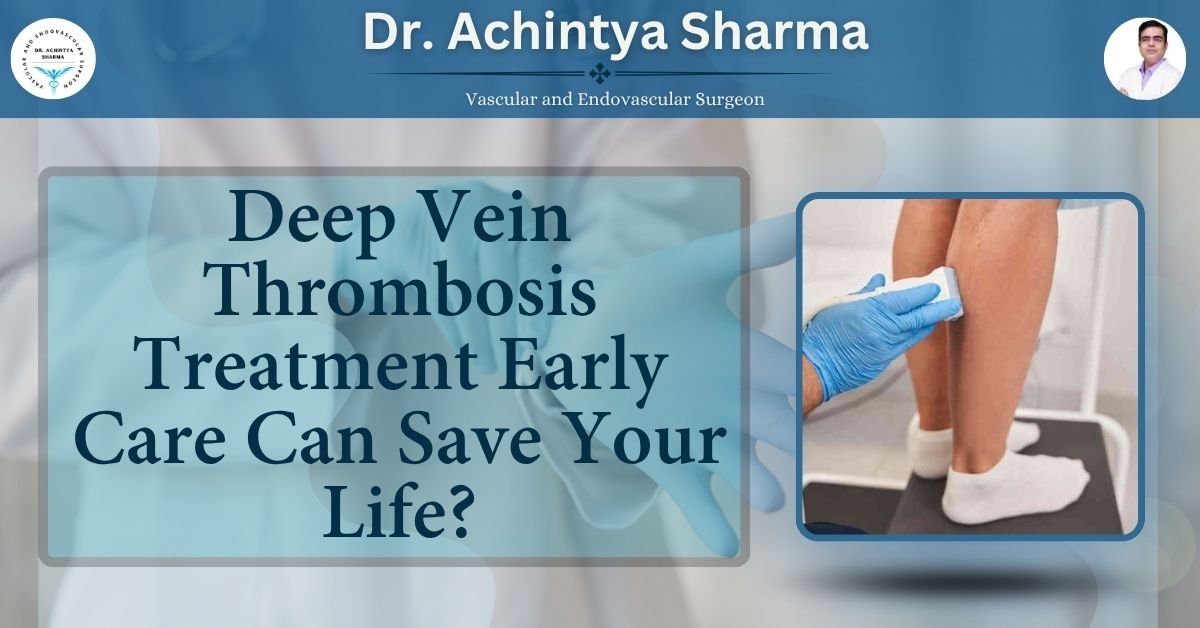
Dvt helps in healthy circulation allows blood to move efficiently through the veins, supporting oxygen delivery and tissue health. This disrupts this balance by slowing blood flow and increasing the risk of blockage, which can lead to swelling, pain, and further complications. Early diagnosis plays a crucial role in identifying whether symptoms are related to temporary lifestyle factors or an underlying circulation condition requiring medical attention. Timely evaluation enables doctors to recommend appropriate management strategies, ranging from activity modification to targeted treatment. If symptoms persist, worsen, or appear suddenly, consulting a qualified specialist helps ensure accurate diagnosis, safer treatment decisions, and long-term circulation protection.
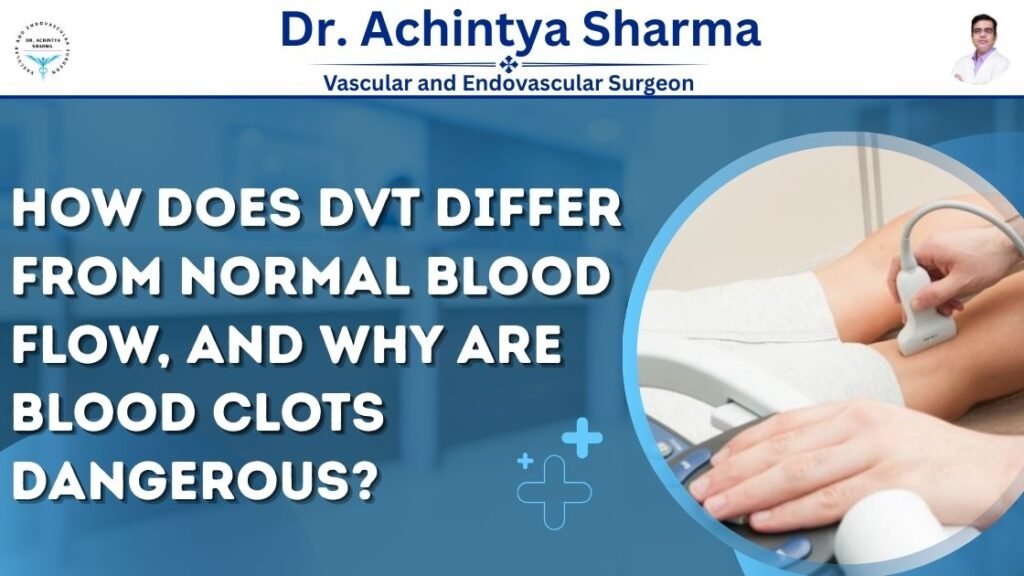
How does normal blood flow work compared to Dvt?
Normal blood flow relies on flexible vessel walls, effective valve function, and regular muscle movement to keep circulation efficient. This process supports consistent oxygen delivery and healthy tissues. In, blood flow slows within deeper veins, leading to pooling and stagnation. Increased pressure inside the vessel raises the risk of circulation blockage and related complications. Dr Achintya Sharma
Why do circulation blockages develop instead of free flow?
- Reduced physical activity slows blood movement
- Dehydration thickens blood flow
- Prolonged sitting or long travel hours increase stagnation
- Recent surgery or medical conditions affect vessel function
- Slowed circulation allows blood components to cluster
- Ongoing strain damages vessel walls and nearby tissues
Who faces a higher risk of complications from Dvt?
- Risk depends on lifestyle, medical history, and genetics
- Long sitting, obesity, pregnancy, surgery, or past clots increase risk
- A blood clot may develop without obvious symptoms
- Delayed evaluation can worsen circulation problems
- Early awareness helps with timely prevention and care
How is Dvt diagnosed accurately by doctors?
- Detailed symptom review and physical examination
- Assessment of swelling, skin temperature, pain, and activity levels
- Duplex ultrasound used to check blood flow and valve function
- Early imaging helps distinguish temporary changes from DVT.
- Expert evaluation by a vascular specialist in India supports accurate treatment planning
What treatment approaches help restore healthy circulation?
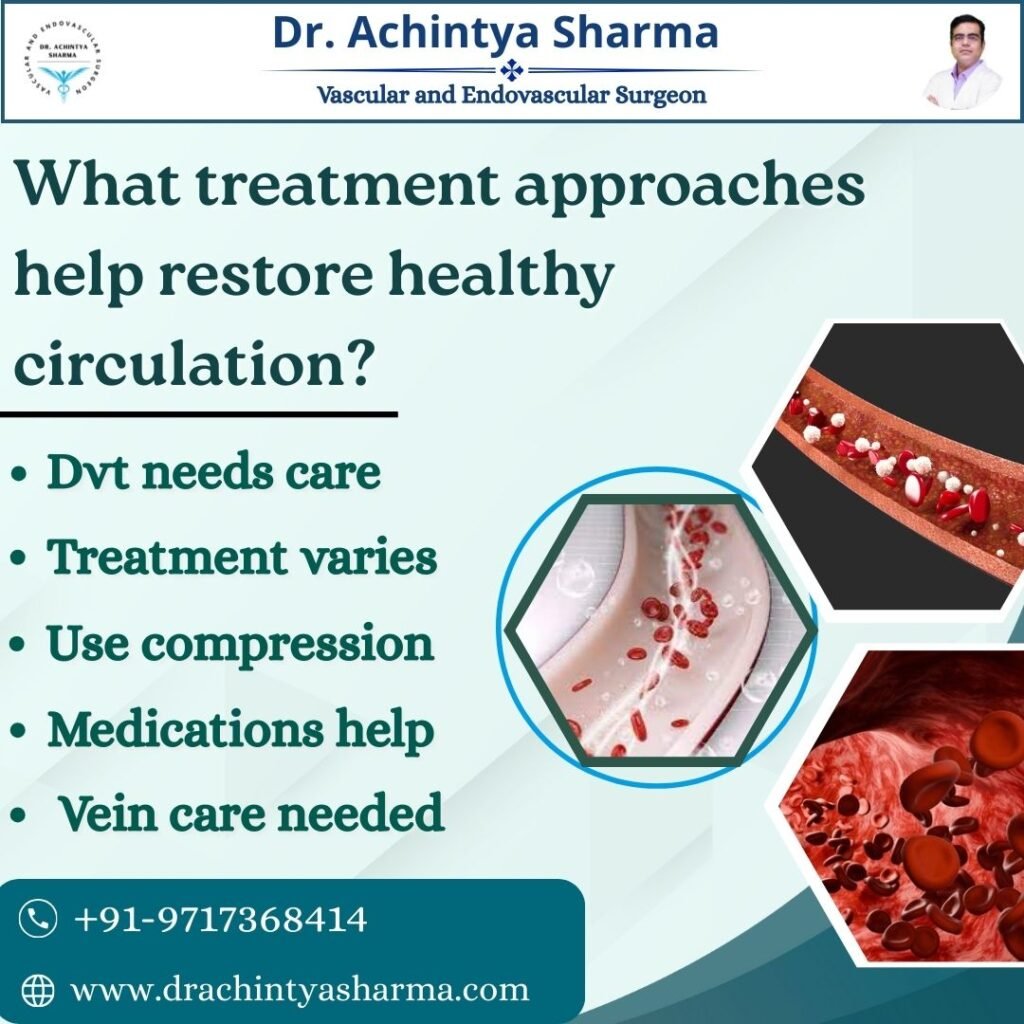
- Treatment depends on symptom severity, clot location, and overall health
- Mild circulation issues may improve with hydration and regular movement
- Compression support and lifestyle changes can help manage early symptoms
- Confirmed Dvt cases may require medication or minimally invasive procedures
- Advanced vein treatment options may be recommended to improve vessel function
- Persistent blood clot cases may need closer medical monitoring rather than observation alone
How can future circulation problems be prevented?
- Normal blood flow depends on flexible vessel walls that adapt to pressure changes
- Healthy valves prevent backward flow and support steady circulation
- Regular muscle movement helps push blood efficiently toward the heart
- Efficient circulation ensures proper oxygen delivery and tissue nourishment
- In Dvt, blood flow slows within deeper veins
- Slowed movement leads to pooling and stagnation
- Increased pressure inside the vessel raises the risk of blockage and complications
When should someone seek medical evaluation without delay?
Medical attention should be sought if leg swelling, unexplained pain, warmth, or sudden skin colour changes appear. Symptoms that worsen, persist, or fail to improve with movement may indicate impaired circulation related to DVT. Prompt clinical evaluation helps identify a progressing blood clot and enables early intervention. As emphasised by Dr Achintya Sharma, timely diagnosis supports accurate treatment planning, reduces the risk of serious complications, and helps protect long-term circulation and overall vascular health.
Conclusion
Healthy circulation supports smooth blood flow, while Dvt disrupts this process and raises health risks. Early diagnosis helps distinguish between lifestyle-related circulation issues and conditions needing medical care. If symptoms persist or worsen, timely evaluation by a qualified specialist is essential for safe management and prevention of complications. Explore available treatment options and schedule a consultation for professional evaluation and tailored care.
Book your Appointment.
Website: https://drachintyasharma.com/
Email: dr.achintyasharma@gmail.com