Why do patients confuse peripheral artery disease with other vascular conditions?
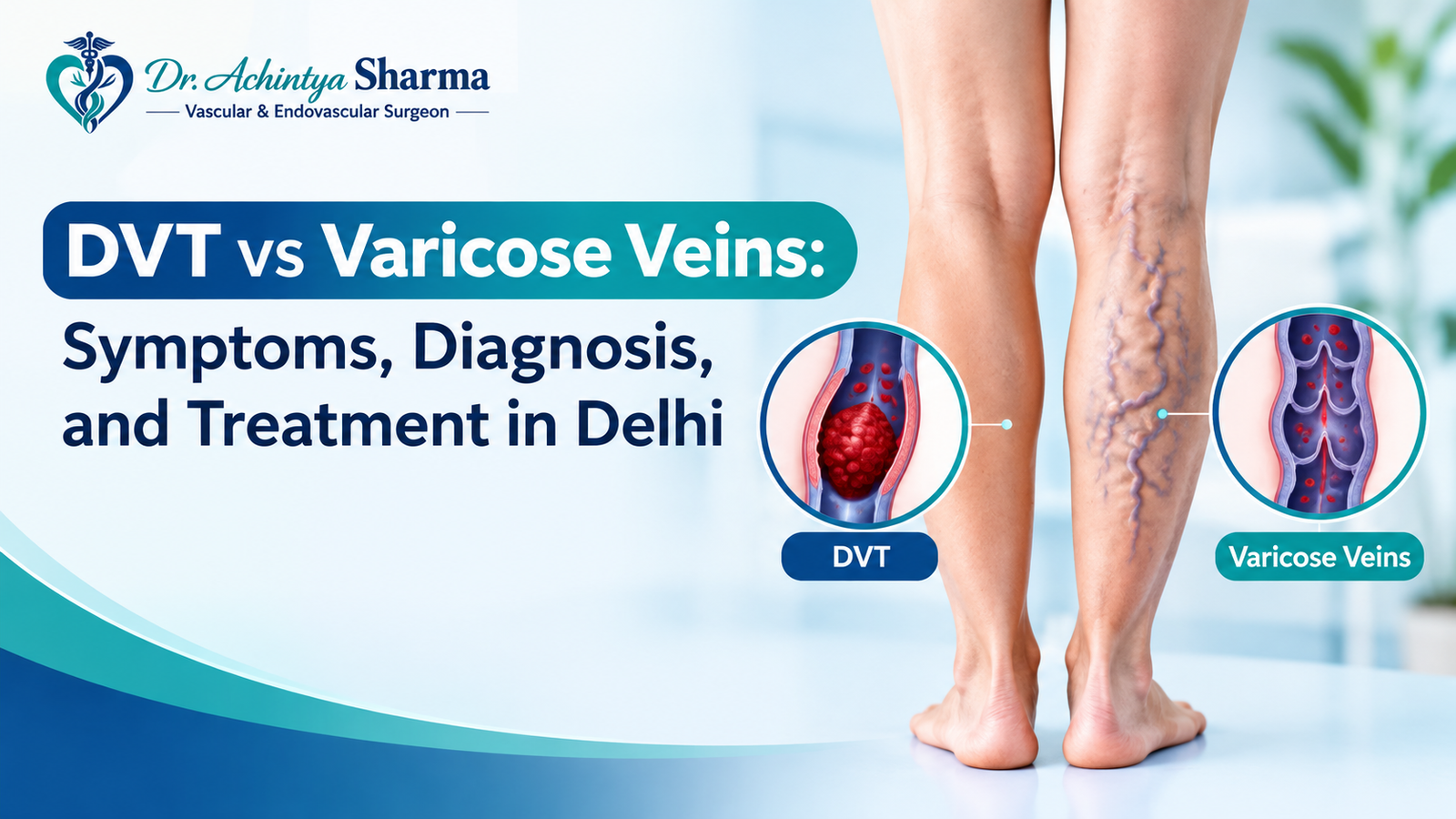
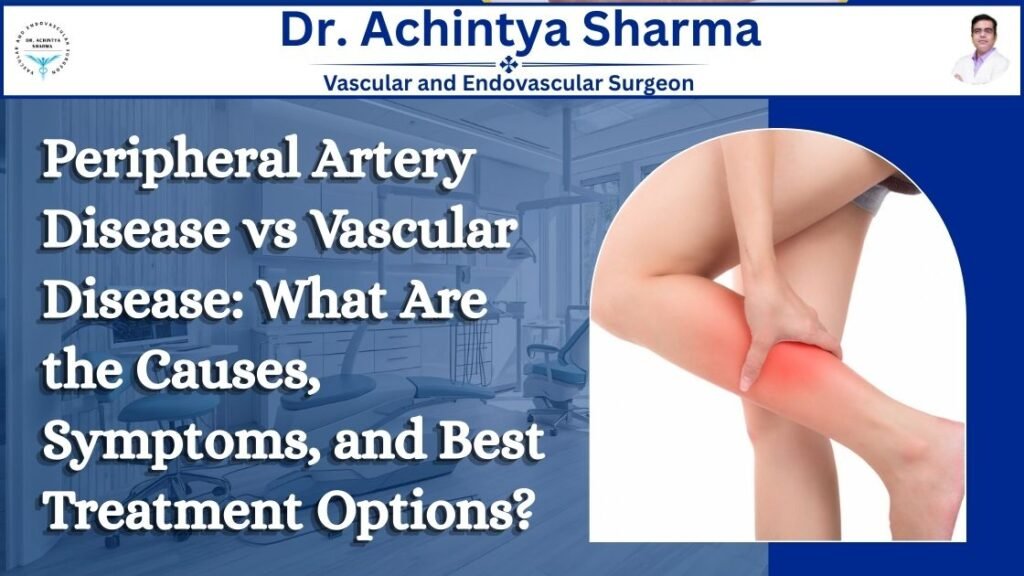
When people hear the term vascular disease, they often assume it refers to a single circulatory disorder. In reality, vascular conditions affect arteries and veins in very different ways. Peripheral arterial disease develops when arteries narrow due to plaque buildup, restricting oxygen-rich blood flow to the legs. This reduced supply becomes especially noticeable during physical activity. Venous conditions, on the other hand, occur when vein valves weaken and fail to return blood efficiently to the heart, leading to pooling and pressure buildup. Because both conditions can cause leg discomfort, fatigue, or swelling, patients frequently find it difficult to distinguish between them without proper medical evaluation.
What causes peripheral artery disease in the lower limbs?
Deposits in the arteries increase the incidence of peripheral arterial disease; hence, it leads to a restriction of oxygen-filled blood flow to the legs. Smoking, diabetes, hypertension, high cholesterol levels, and advancing age are the major causes of the restriction.
How do venous circulation problems differ from arterial disease?
- Venous diseases occur when vein valves weaken and fail to push blood upward effectively
- Poor valve function leads to blood pooling inside the veins
- Pooling increases pressure, causing leg swelling and heaviness
- Surface veins may become enlarged or visibly prominent
- Symptoms often worsen after prolonged standing or sitting
- Leg elevation and movement usually relieve discomfort
What symptoms help distinguish artery-related from vein-related disease?
- Peripheral artery disease commonly causes leg pain or cramping during walking that improves with rest
- Affected legs or feet may feel cold due to reduced blood flow
- Numbness or tingling can occur in the lower limbs
- Wounds or sores may heal slowly or fail to heal properly
- Venous disease often leads to leg swelling and a heavy sensation
- Itching and skin discoloration may develop over time
When do circulation problems become a medical risk?
- Untreated peripheral artery disease can reduce oxygen supply to tissues
- Low oxygen levels increase the risk of infections and non-healing ulcers
- Progressive disease may cause pain, weakness, or limited mobility
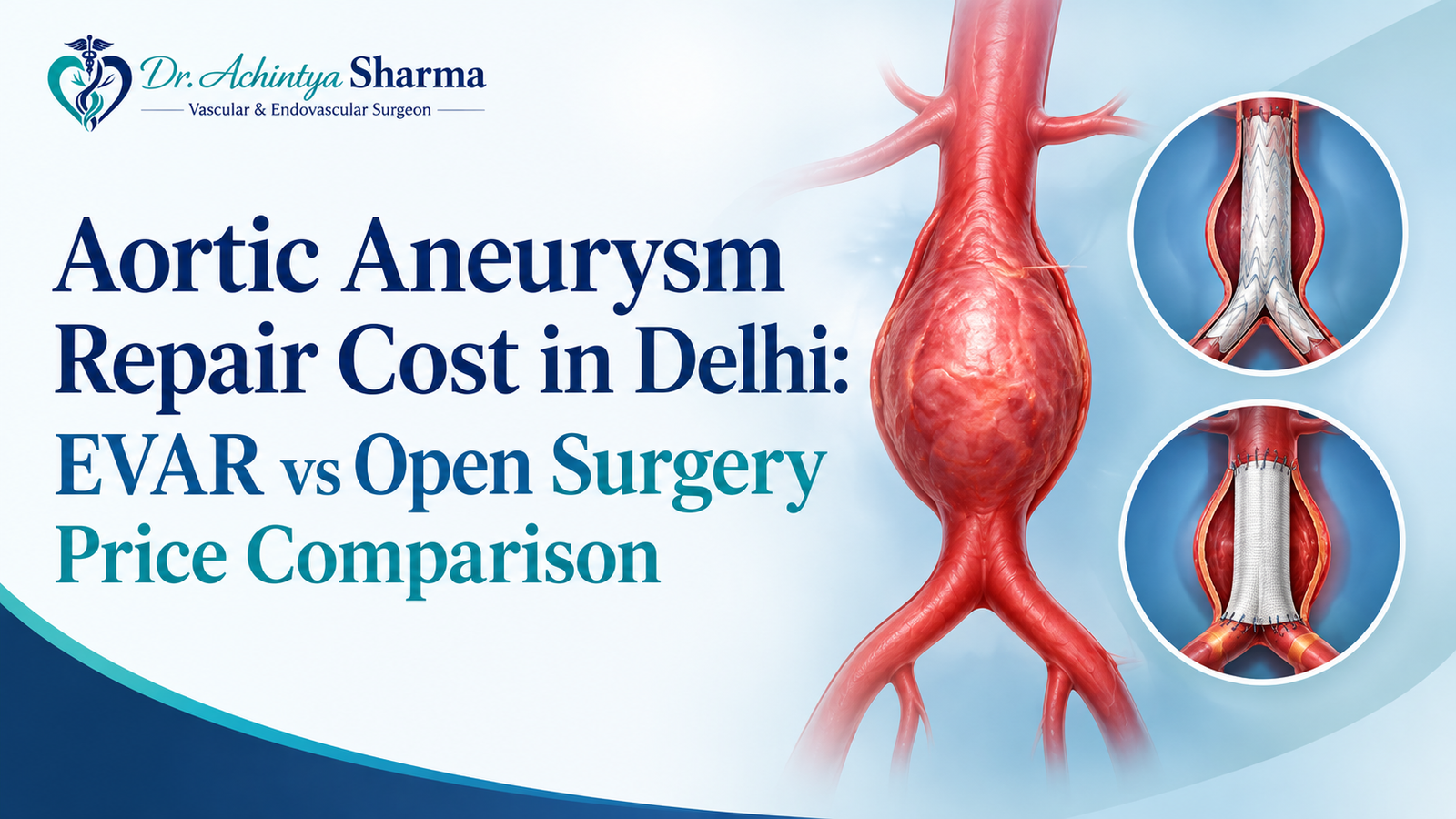
- Severe arterial narrowing may require vascular intervention to restore circulation
- Ongoing venous pressure can damage surrounding skin
- Skin thickening, discoloration, or ulcer formation may occur
How do doctors accurately diagnose vascular circulation disorders?
- Neglected peripheral artery disease can lower tissue oxygen levels, increasing the risk of infections, non-healing ulcers, and mobility limitations.
- Severe arterial narrowing may require vascular intervention to restore adequate blood circulation.
- Uncontrolled chronic venous pressure can lead to skin damage or ulcer formation, reducing overall quality of life.
- Diagnosis begins with a detailed review of symptoms and a thorough physical examination.
What treatment options are used for peripheral artery disease?
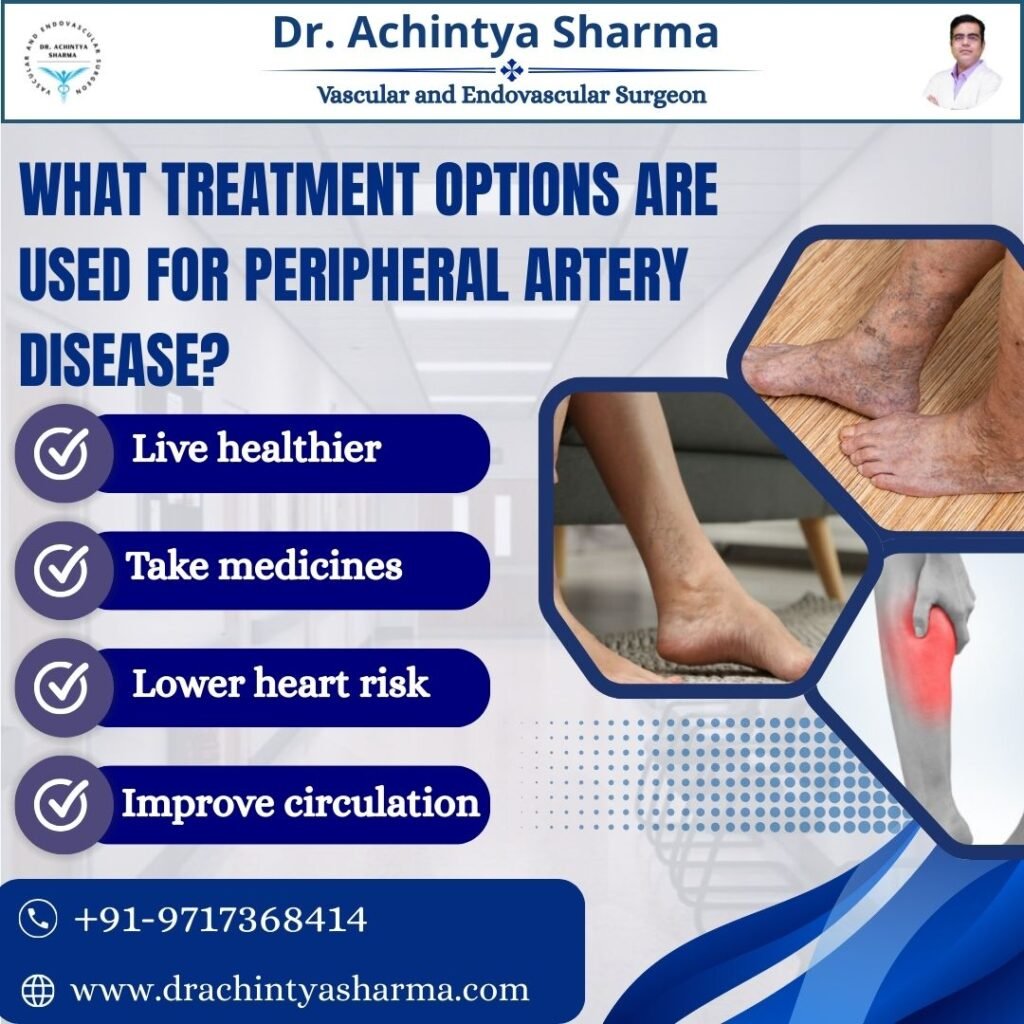
- Improve blood flow to the affected limbs
- Reduce overall cardiovascular risk
- Use prescription medications as advised by a physician
- Adopt healthier lifestyle habits
- Participate in supervised exercise programs
- Consider minimally invasive arterial procedures in moderate to severe cases
How are venous vascular conditions treated?
- Neglected peripheral artery disease reduces tissue oxygen supply, increasing the risk of infections, non-healing ulcers, and mobility problems.
- Severe arterial narrowing may require vascular intervention to restore healthy blood flow.
- Uncontrolled chronic venous pressure can cause skin damage or ulcers, lowering quality of life.
- Diagnosis starts with a detailed symptom assessment and physical examination.
Which patients are more likely to need vascular surgery?
Not every circulatory issue necessitates treatment. Vascular surgery is deemed appropriate when symptoms greatly impact daily life, imaging reveals vessel injury, or conservative methods are ineffective. Both arterial and venous conditions are assessed separately to decide if Vascular Surgery provides a long-lasting advantage
Can lifestyle changes slow disease progression?
Yes. Preventive strategies play an important role in managing peripheral vascular disease and venous disorders. Helpful measures include:
- Regular walking and leg movement
- Smoking cessation
- Blood sugar and cholesterol control
- Avoiding prolonged sitting
These habits may delay disease progression and reduce the need for Vascular Surgery.
When should someone seek medical evaluation?
It is advisable to seek medical attention if pain in the legs hinders walking, if swelling continues, or if there are changes in the skin. Symptoms that deteriorate despite making lifestyle adjustments could indicate worsening peripheral vascular disease or concerning varicose veins that necessitate professional intervention. Prompt evaluation enhances results and informs appropriate treatment choices.
Conclusion
Peripheral vascular disease and venous disorders affect circulation in different ways and require accurate diagnosis for effective treatment. Early evaluation helps determine whether lifestyle changes, medical therapy, or vascular surgery is appropriate. If symptoms persist, consult a qualified specialist for personalised guidance and timely care. Book your appointment today for expert evaluation and long-term circulation health.
Book your appointment
Website: https://drachintyasharma.com/
Phone: +91 9717368414
Email: drachintyasharma@gmail.com