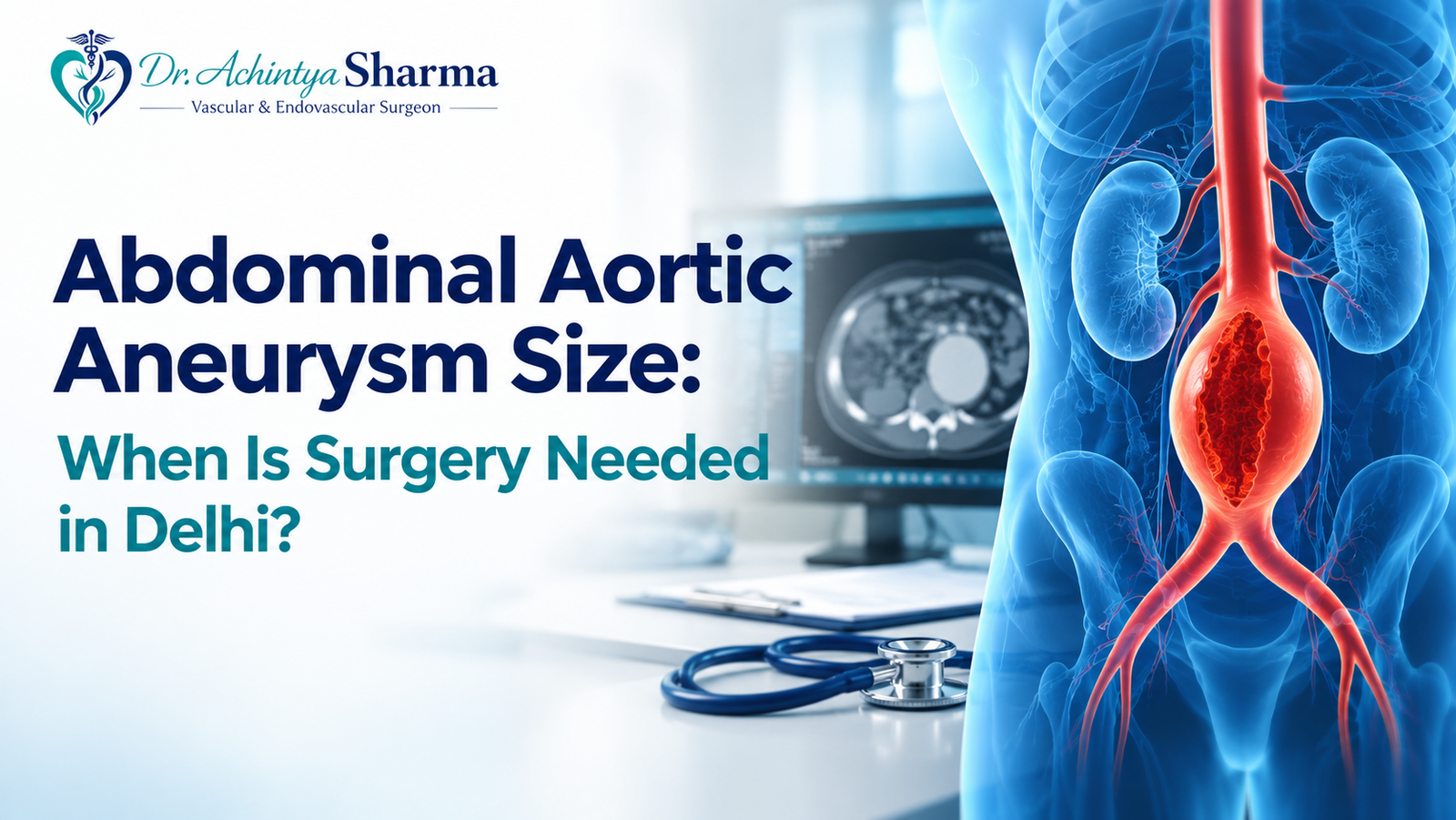
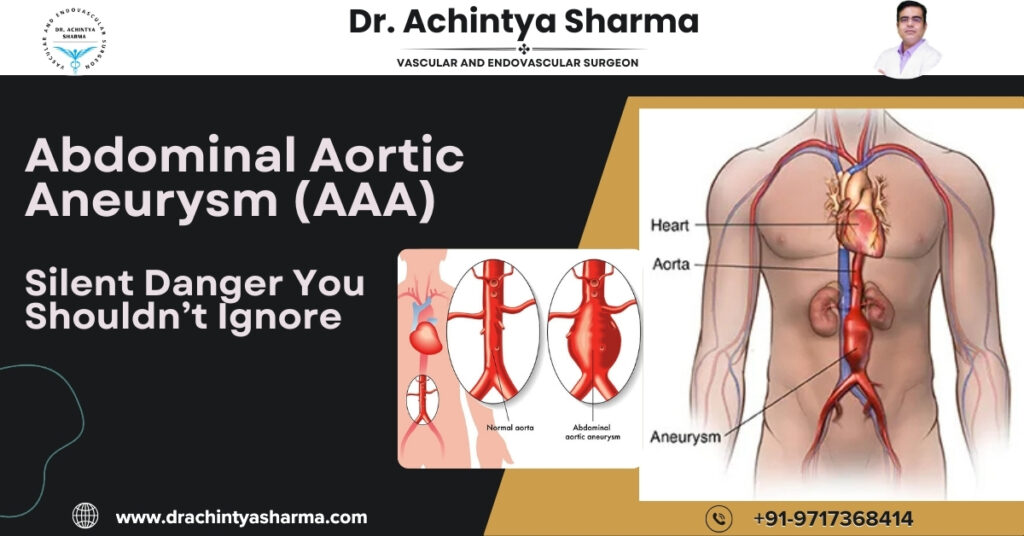
An Abdominal Aortic Aneurysm (AAA) is a serious condition where the main blood vessel in the abdomen weakens and bulges. If it grows too large, it can rupture, causing life-threatening bleeding. This blog covers risk factors, warning signs, and treatment options, highlighting the importance of early detection and lifestyle changes in managing AAA.
What is an Abdominal Aortic Aneurysm (AAA)?
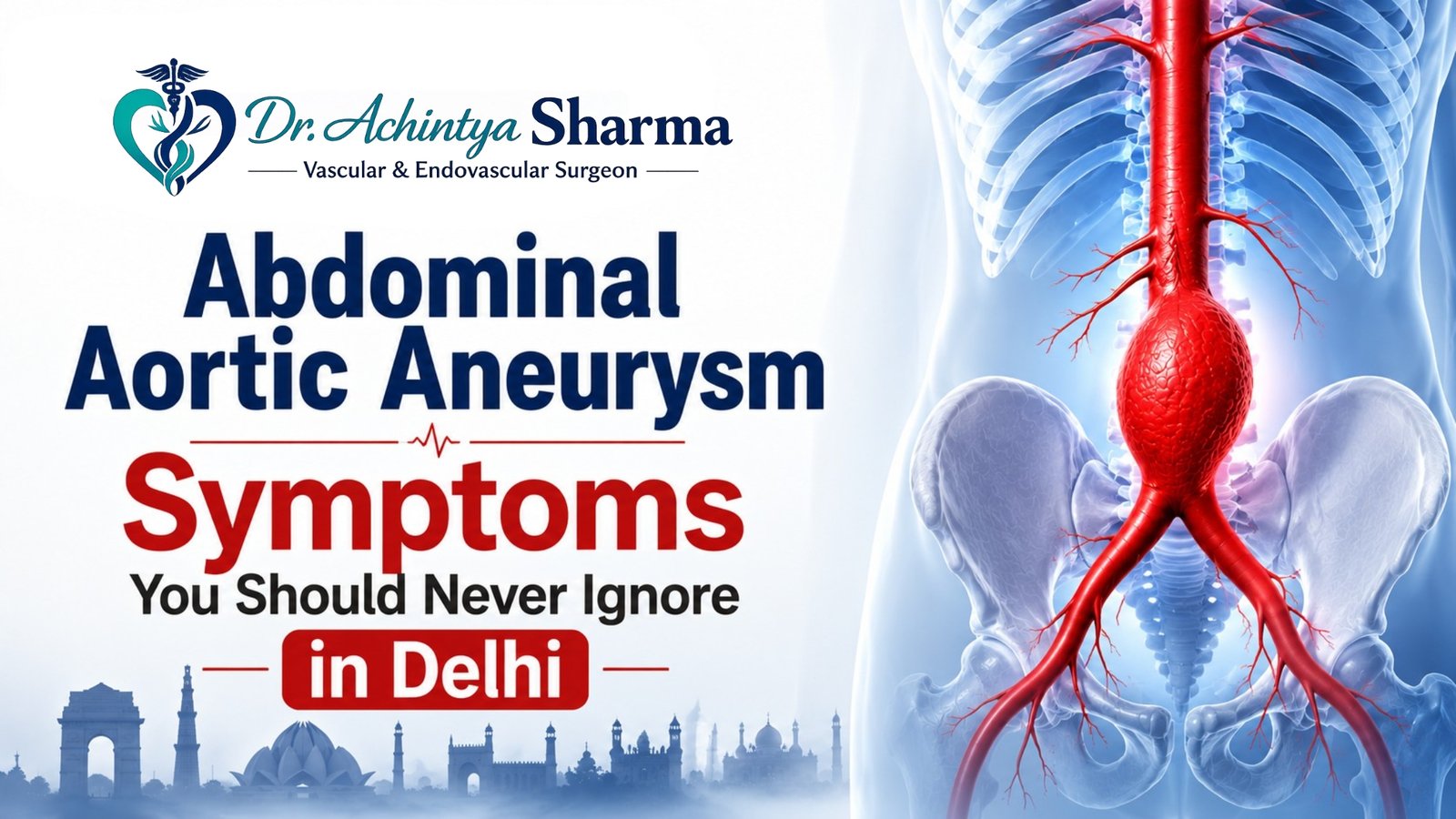
The aorta is the largest artery in our body, carrying blood from the heart to the rest of the body. Sometimes, the walls of the aorta in the abdomen weaken and start to bulge. This bulge is called an Abdominal Aortic Aneurysm (AAA). If it grows too big, it can burst, causing life-threatening bleeding.
Who is at Risk?
An Abdominal Aortic Aneurysm (AAA) develops gradually and often doesn’t show noticeable symptoms until it becomes serious. However, certain factors can increase the risk of developing AAA. Understanding these risk factors can help in early detection and prevention.
🚨 Risk Factors Include:
- Older Age: People over 65 are more likely to develop AAA.
- Smoking History: This weakens blood vessels, increasing the risk.
- High Blood Pressure: Puts extra strain on artery walls.
- Family Background: If your parents or siblings had AAA, you might be at risk too.
- High Cholesterol Levels: Can lead to artery damage.
- Gender Differences: Men are more likely to develop AAA than women. However, when AAA occurs in women, it is often more serious and harder to detect, making regular check-ups crucial.
- Obesity and Poor Diet: Excess weight strains the heart, increasing blood pressure and cholesterol, which raise AAA risk.
- Lack of Exercise: Inactivity leads to poor circulation, high blood pressure, and cholesterol buildup, contributing to AAA.
- Heart and Vascular Conditions: Diseases like atherosclerosis, PAD, heart attack, or stroke heighten the risk of AAA.
Signs and Symptoms of Abdominal Aortic Aneurysm (AAA)
AAA is often known as a “silent killer” because, in most cases, it develops slowly and without any noticeable symptoms. Many people are unaware they have an aneurysm until it is discovered during a routine medical exam or imaging test. However, as the aneurysm grows, certain warning signs may appear.
Symptoms of a Growing Aneurysm
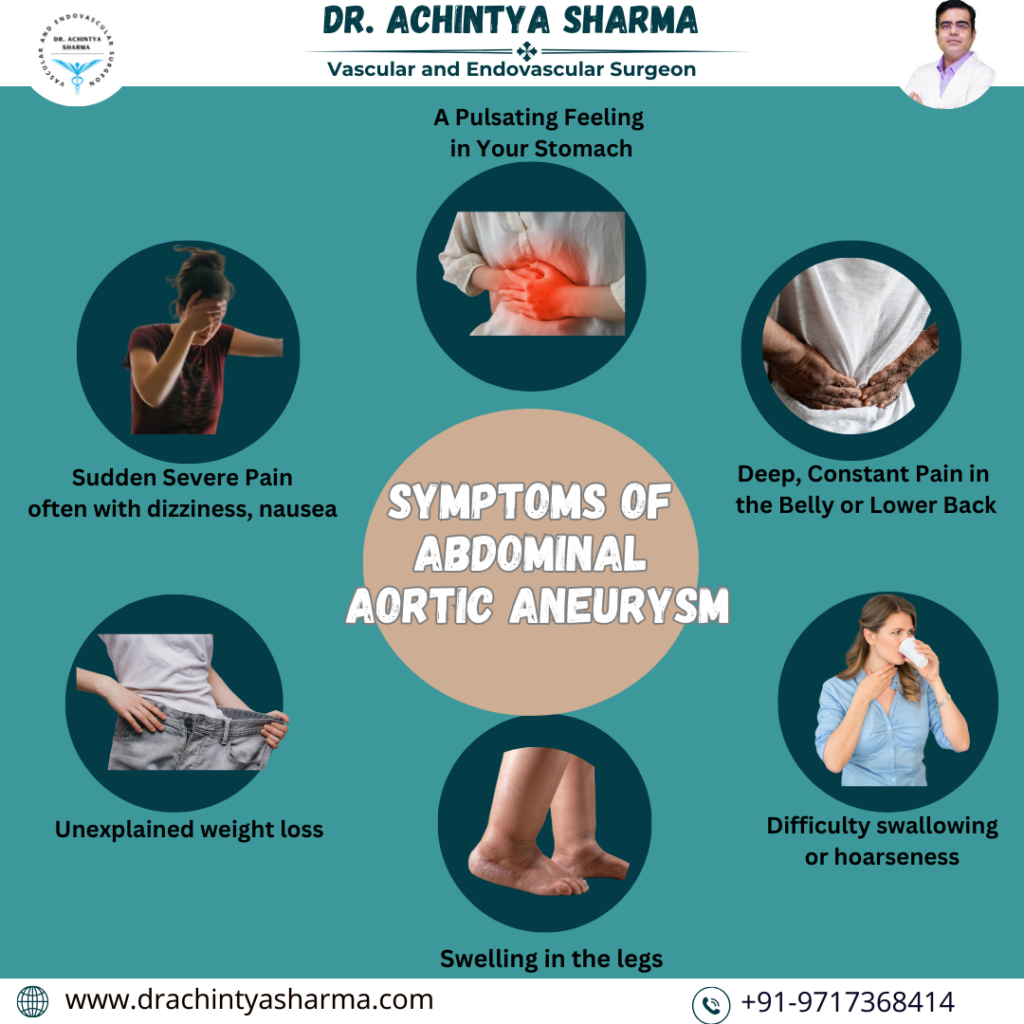
- A Pulsating Feeling in Your Stomach (Like a Heartbeat)
- Deep, Constant Pain in the Belly or Lower Back
- Sudden Severe Pain (Indicating a Possible Rupture) in the abdomen, back, or groin, often with dizziness, nausea, or fainting
Other Possible Symptoms
While rare, some people with AAA may also experience:
- Unexplained weight loss
- Difficulty swallowing or hoarseness
- Swelling in the legs (due to impaired circulation)
How is AAA Diagnosed?
Doctors can detect Abdominal Aortic Aneurysm with simple, non-invasive tests that help determine the size and severity of the aneurysm.
- Ultrasound – A painless scan that uses sound waves to create an image of the aorta and measure the size of the aneurysm. It is the most common and effective screening tool for AAA.
- CT Scan or MRI – These imaging tests provide a detailed, 3D view of the aorta, helping doctors assess the exact size, shape, and location of the aneurysm. A CT scan with contrast dye may also help detect signs of rupture or other complications.
- Physical Examination – In some cases, a doctor may feel a pulsating mass in the abdomen during a routine check-up, which could indicate an aneurysm. However, imaging tests are needed for confirmation.
Treatment Options: Saving Lives
The treatment for Abdominal Aortic Aneurysm (AAA) depends on its size, growth rate, and overall health of the patient. Doctors decide whether to monitor the aneurysm or proceed with surgical intervention based on its risk of rupture.
One such doctor is Dr. Achintya Sharma, a skilled specialist in vascular health. He is known for his expertise in painless treatments for veins and artery-related conditions.
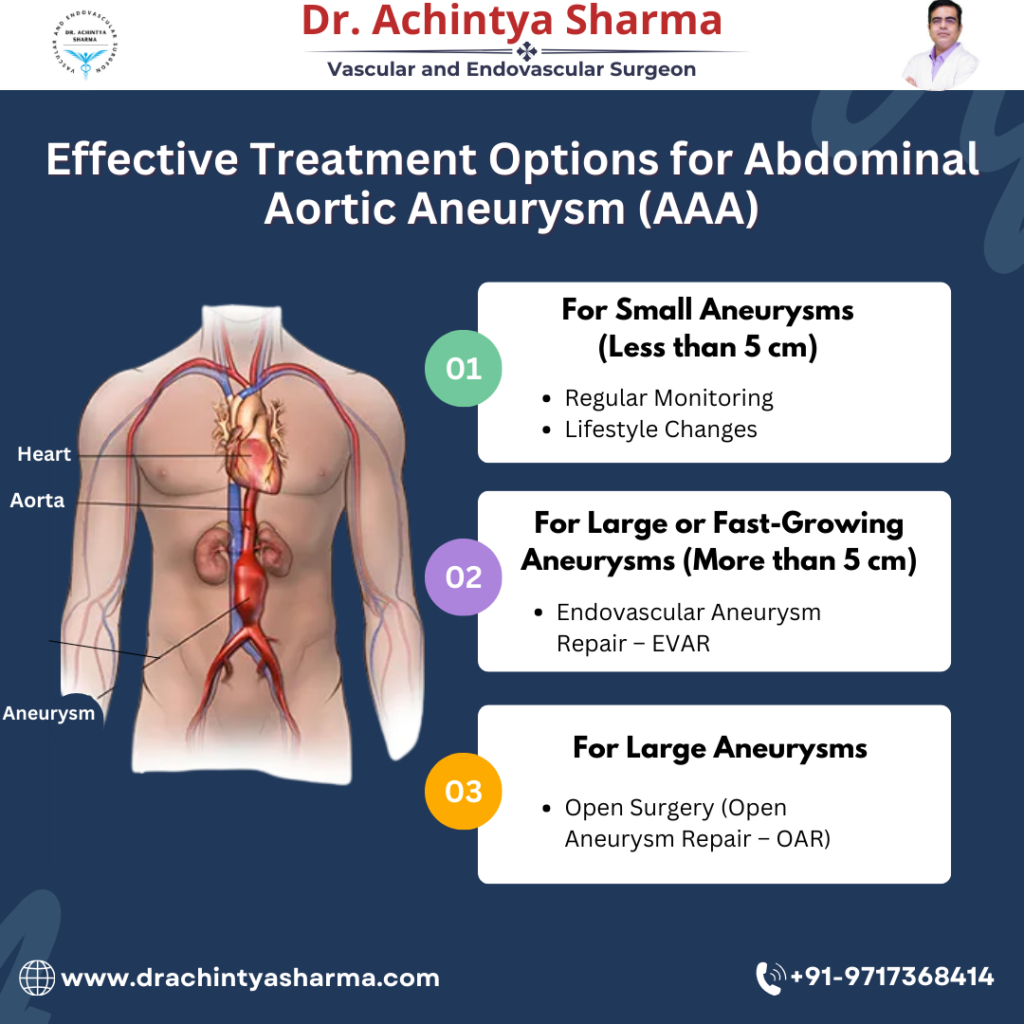
- Small Aneurysms (Less than 5 cm)
For smaller aneurysms that are not rapidly growing, immediate surgery is not required. Instead, doctors focus on:
Regular Monitoring – Patients undergo ultrasounds or CT scans every 6–12 months to track the aneurysm’s size.
Lifestyle Changes – Managing risk factors can slow aneurysm growth. This includes:
- Quitting smoking
- Controlling blood pressure
- Eating a heart-healthy diet
- Medications – In some cases, doctors may prescribe blood pressure or cholesterol-lowering medications to prevent further artery weakening.
- Large or Fast-Growing Aneurysms (More than 5 cm or Rapid Growth)
Aneurysms that grow quickly or exceed 5 cm are at a higher risk of rupture, requiring surgical treatment:
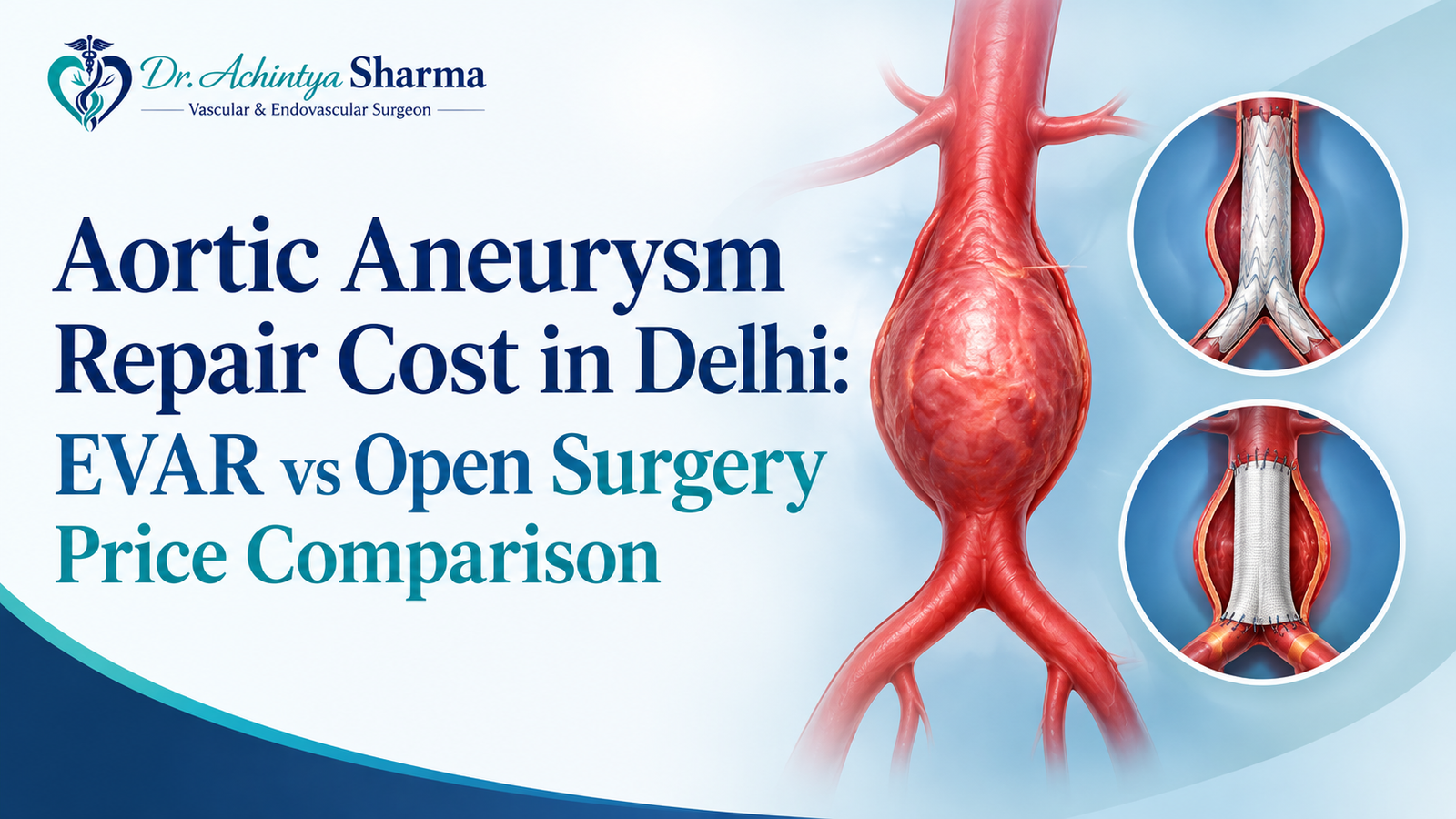
Minimally Invasive Surgery (Endovascular Aneurysm Repair – EVAR):
- A small, flexible tube called a stent graft is inserted through a small incision in the groin and guided to the aneurysm.
- The stent reinforces the weakened artery wall, preventing rupture.
- Benefits: Less recovery time, fewer complications, and smaller incisions compared to open surgery.
3. Open Surgery (Open Aneurysm Repair – OAR)
- The damaged part of the aorta is surgically removed and replaced with a synthetic graft.
- This method is more invasive but provides a long-term solution, especially for complex or large Abdominal Aortic Aneurysm (AAA).
- Recovery time is longer (4-6 weeks) compared to EVAR.
How to Prevent AAA?
- Stop smoking
- Eat heart-healthy foods
- Exercise regularly
- Control blood pressure and cholesterol
- Get screened if you’re at risk
Final Thoughts
Abdominal Aortic Aneurysm can be dangerous, but with early detection and proper care, lives can be saved. Knowing your risk factors, getting regular check-ups, and making healthy lifestyle choices can help prevent serious complications. If you or a loved one is at risk, talk to a doctor today!
Dr. Achintya Sharma is a renowned vascular and endovascular surgeon with many years of experience. He is dedicated to providing expert care for vascular conditions, including Aortic Aneurysm Repair. With his experience and patient-focused approach, he helps people take the right steps toward better health. He uses the latest techniques to ensure safe and effective treatments. His goal is to help patients recover quickly and improve their quality of life.
Learn more at Dr. Achintya Sharma website.