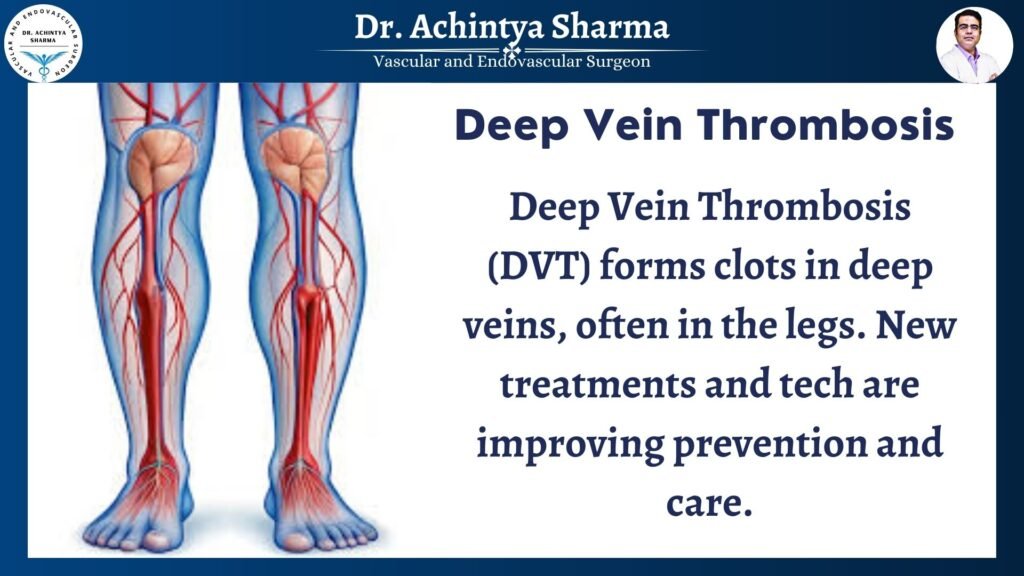
Deep Vein Thrombosis (DVT) disease is a silent but potentially life-threatening condition that forms blood clots in the deep veins, usually in the legs. When left untreated, these clots can cause severe complications, such as pulmonary embolism—a blockage in the lungs that can be fatal. Understanding the risks, recognizing the symptoms, and seeking early treatment are crucial for preventing further health dangers. In this guide, we’ll explore the causes, warning signs, and treatment options for DVT disease, giving you the knowledge to protect yourself and others.
What is DVT Disease?
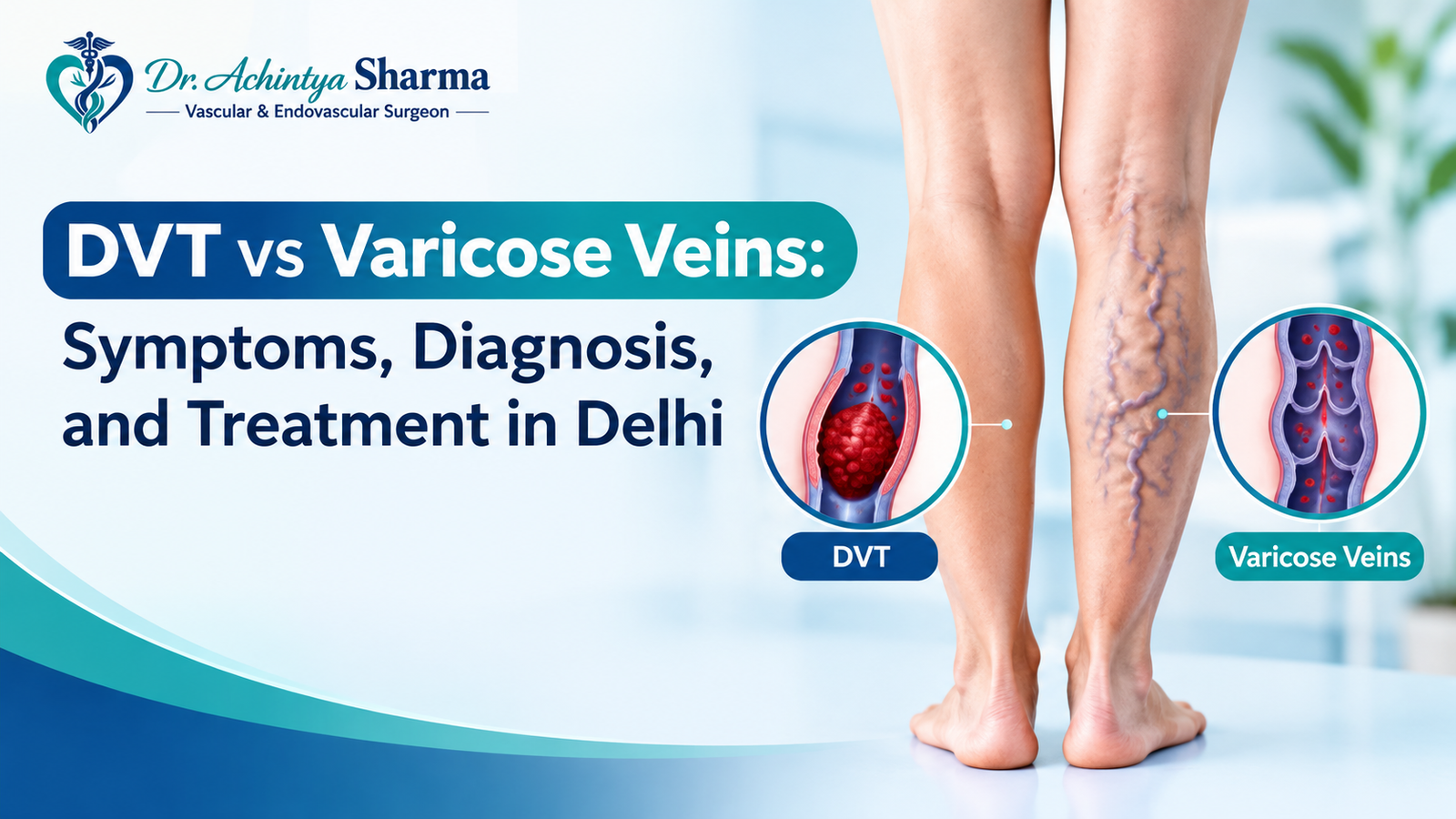
DVT disease refers to the formation of blood clots in the deep veins of the body. These veins, typically located in the legs, are responsible for carrying blood back to the heart. When a blood clot blocks the vein, it can cause pain, swelling, and other symptoms. DVT disease can become life-threatening if the clot dislodges and moves to the lungs, leading to a pulmonary embolism.
Causes of DVT Disease
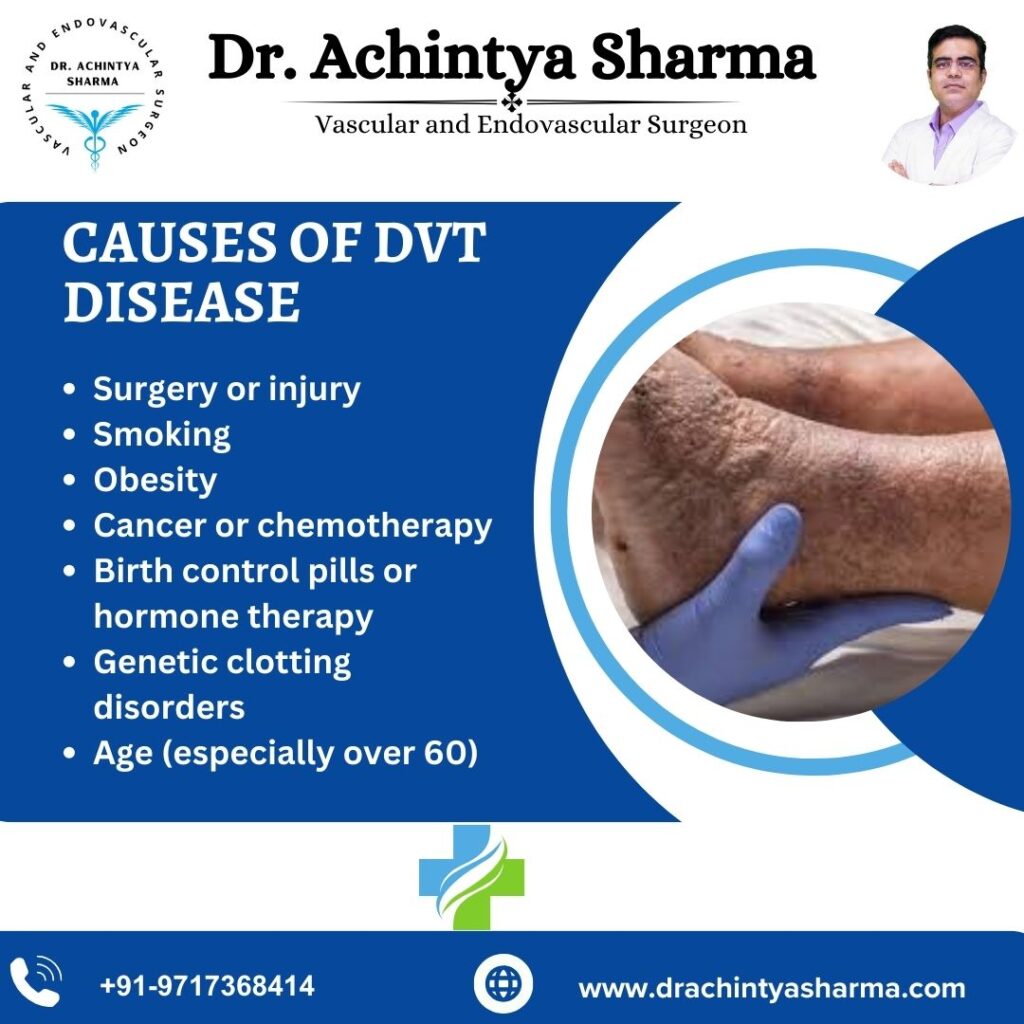
Several factors can increase the risk of developing DVT disease, including
- Prolonged immobility: Sitting for long periods, such as during long flights or car rides, can increase the risk of DVT disease.
- Surgery or injury: Trauma to blood vessels, especially during surgery, can trigger clot formation.
- Pregnancy: The pressure from the growing uterus can slow blood flow in the veins, increasing the risk of DVT.
- Medical conditions : Certain diseases, such as cancer or heart diseases, can elevate the likelihood of developing DVT disease.
Symptoms of DVT
Recognizing the symptoms of DVT disease early can prevent serious complications. Common signs include:
- Swelling: Usually in one leg, the swelling may be sudden and painful.
- Leg pain: The pain may feel like cramping or soreness and often occurs in the calf area.
- Red or discolored skin: The skin on the affected leg may become red or have a bluish hue.
- Warmth: The skin around the area of the clot may feel warm to the touch.
If you experience any of these symptoms, especially after a period of prolonged inactivity, it’s important to consult a healthcare professional as soon as possible.
Diagnosing DVT Disease
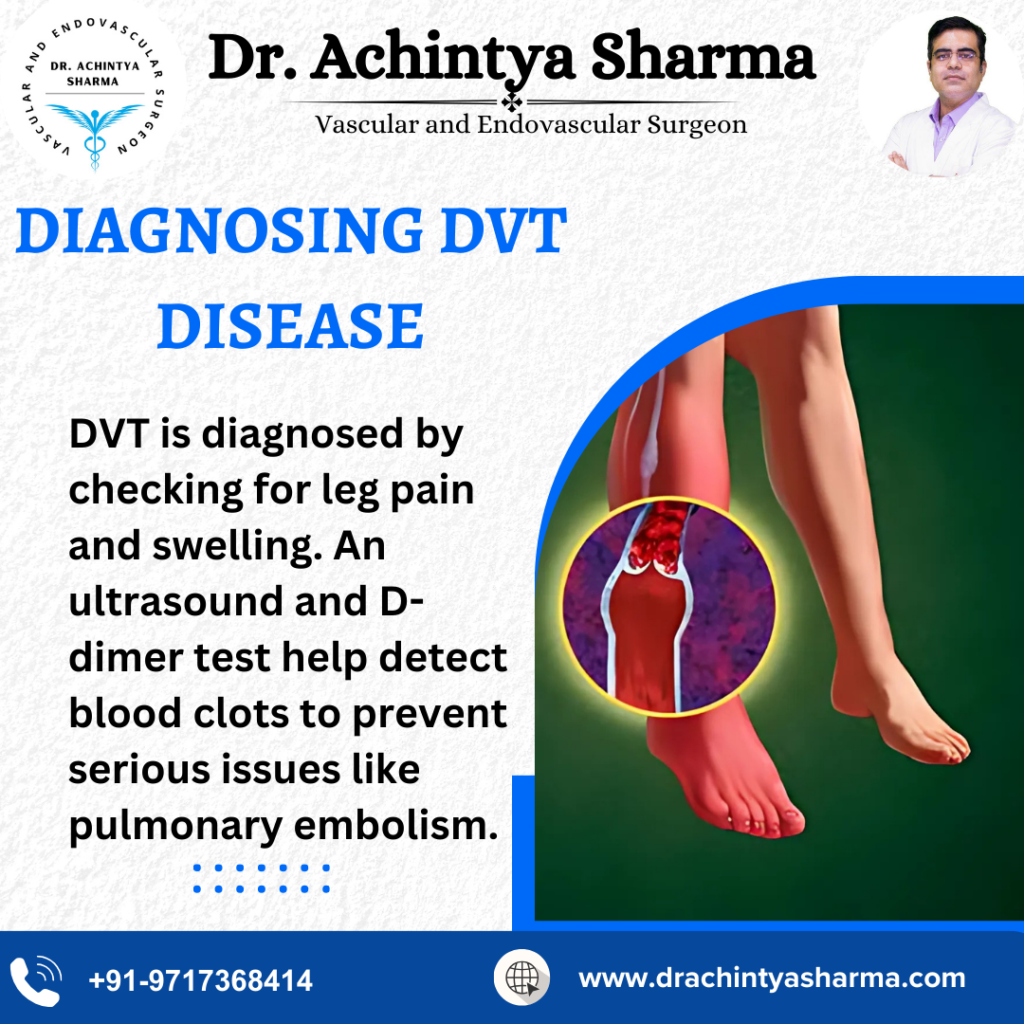
Diagnosing DVT typically involves several steps, including:
- Physical examination: A doctor will check for swelling, tenderness, and changes in skin color.
- Ultrasound: This non-invasive test uses sound waves to detect blood clots in the veins.
- D-dimer test: This blood test measures the level of a substance that is released when a blood clot breaks down.
- Venography: In rare cases, a special dye is injected into the vein to provide an image of blood flow, helping doctors identify the presence of clots.
Early diagnosis of DVT disease is critical in preventing more dangerous conditions such as pulmonary embolism.
Treatment Options for DVT Disease
Treatment for DVT disease focuses on preventing the clot from growing, reducing the risk of complications, and preventing future clots. The main treatment options include:
- Anticoagulants (blood thinners): These medications help prevent clots from enlarging and reduce the chance of new clots forming. While they don’t break down existing clots, they allow the body to dissolve the clots over time.
- Compression stockings: Wearing these stockings helps improve blood flow in the legs, reducing swelling and the risk of clot formation.
- Thrombolytics: In severe cases, clot-busting medications may be administered to dissolve large clots.
- Surgical intervention: For life-threatening cases, surgery may be required to remove the clot or insert a filter into the vein to prevent the clot from reaching the lungs.
Preventing DVT Disease
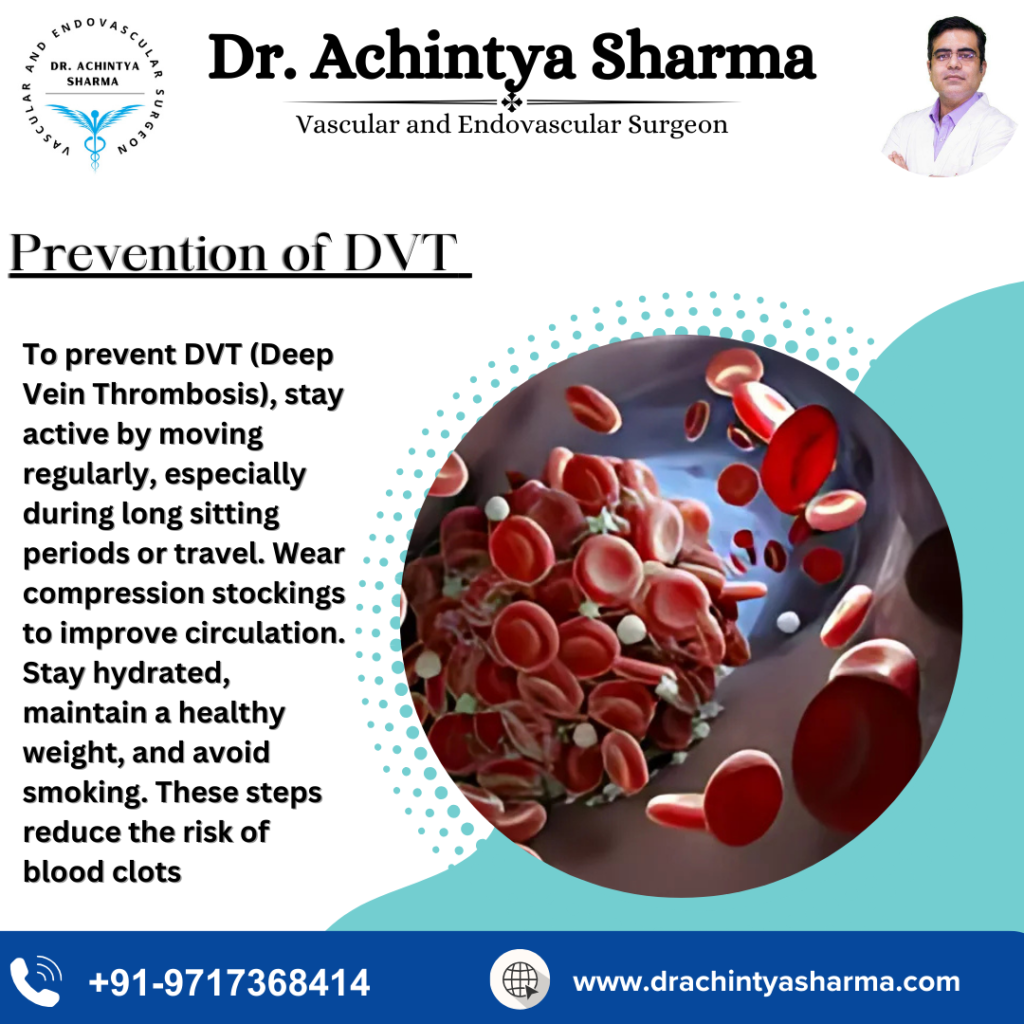
Prevention is key when it comes to DVT disease. Simple lifestyle changes can greatly reduce your risk. Some of these preventive measures include:
- Staying active: Regular exercise helps improve circulation and reduces the risk of clot formation.
- Moving during long periods of sitting: If you’re traveling or working at a desk, make sure to take breaks to stretch and move around every hour.
- Maintaining a healthy weight: Obesity can increase the strain on your veins, making you more prone to deep vein thrombosis
- Staying hydrated: Drinking plenty of water helps prevent dehydration, which can thicken the blood and lead to clot formation.
Complications of Untreated DVT Disease
If DVT disease is left untreated, it can lead to life-threatening complications. One of the most severe risks is pulmonary embolism (PE), where the blood clot breaks free and travels to the lungs, blocking the pulmonary arteries. This can cause symptoms like sudden shortness of breath, chest pain, and coughing up blood. In severe cases, PE can be fatal.Another long-term complication is post-thrombotic syndrome (PTS), a condition that occurs when the clot damages the vein’s valves. This leads to chronic leg pain, swelling, and ulcers.
Conclusion
DVT disease is a serious condition that demands prompt diagnosis and treatment. Early recognition of symptoms and preventive actions can help lower the risk of complications. If you suspect you may have DVT , it is essential to seek medical attention immediately. Timely intervention can prevent life-threatening issues, such as pulmonary embolism, ensuring better health outcomes. Staying informed and proactive about DVT is key to avoiding serious risks and maintaining your well-being.