When people think of treatments for blocked arteries, varicose veins, stroke risk, or leg pain, the first image that comes to mind is major surgery with big cuts and a long recovery. However, modern vascular care has transformed dramatically. One of the biggest breakthroughs in recent years is endovascular treatment—a minimally invasive technique that treats blood vessel diseases from the inside using advanced tools and imaging.
This medical approach is now considered one of the most preferred options because it is safe, effective, and offers faster recovery. It has changed the experience of patients who once feared surgery or were not medically fit for traditional procedures.
What Is Endovascular Treatment?
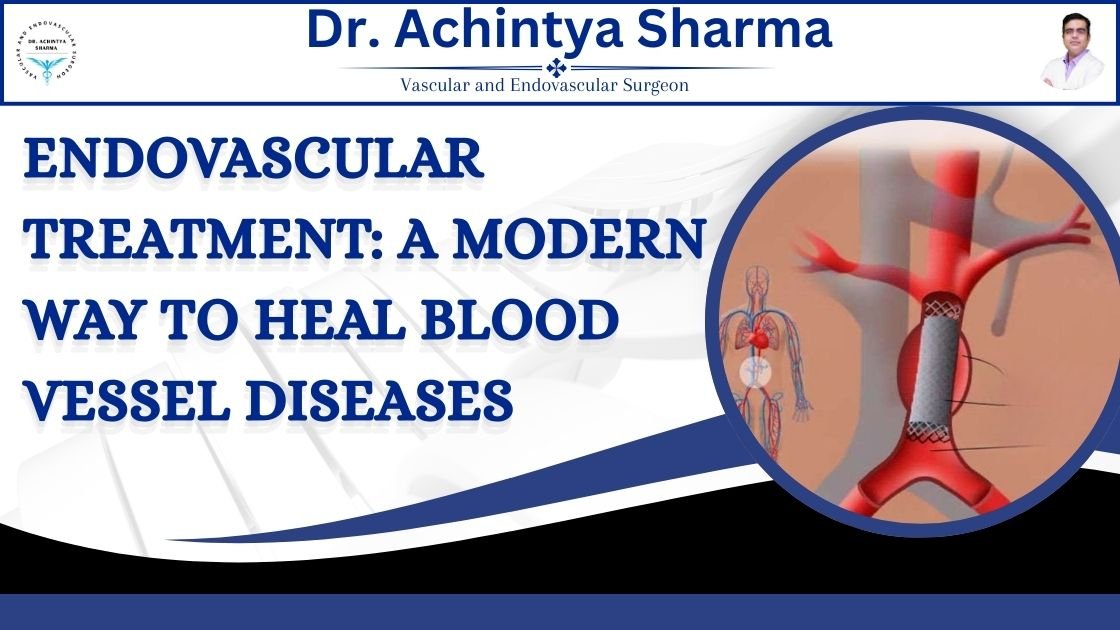
In simple words, endovascular treatment means fixing or treating damaged arteries or veins from inside the blood vessel. Doctors use tiny catheters, balloons, and stents to open blockages or repair diseased areas. Instead of making large incisions, the whole procedure is performed through a small pinhole-like entry point—usually in the leg or wrist.
Think of it like repairing a water pipeline without breaking the wall open. The goal is to restore smooth blood flow while keeping the body as undisturbed as possible.
Conditions Treated with Endovascular Methods
A wide range of vascular problems can be managed with endovascular procedures, including:
- Peripheral Artery Disease (PAD)
Reduced blood flow to legs causing cramps, pain, and walking difficulty. - Aneurysms
Weak and bulging arteries that may rupture if untreated. - Varicose Veins and Venous Diseases
Painful, swollen veins, heaviness, and skin changes. - Carotid Artery Disease
Narrowed arteries in the neck leading to stroke risks. - Deep Vein Thrombosis (DVT)
Dangerous blood clots in deep veins.
Because procedures require minimal physical trauma, they are especially beneficial for elderly patients and those with diabetes, heart disease, or poor healing capacity.
Why Patients Prefer Endovascular Treatment
There are many reasons why this approach is becoming the gold standard for vascular care:
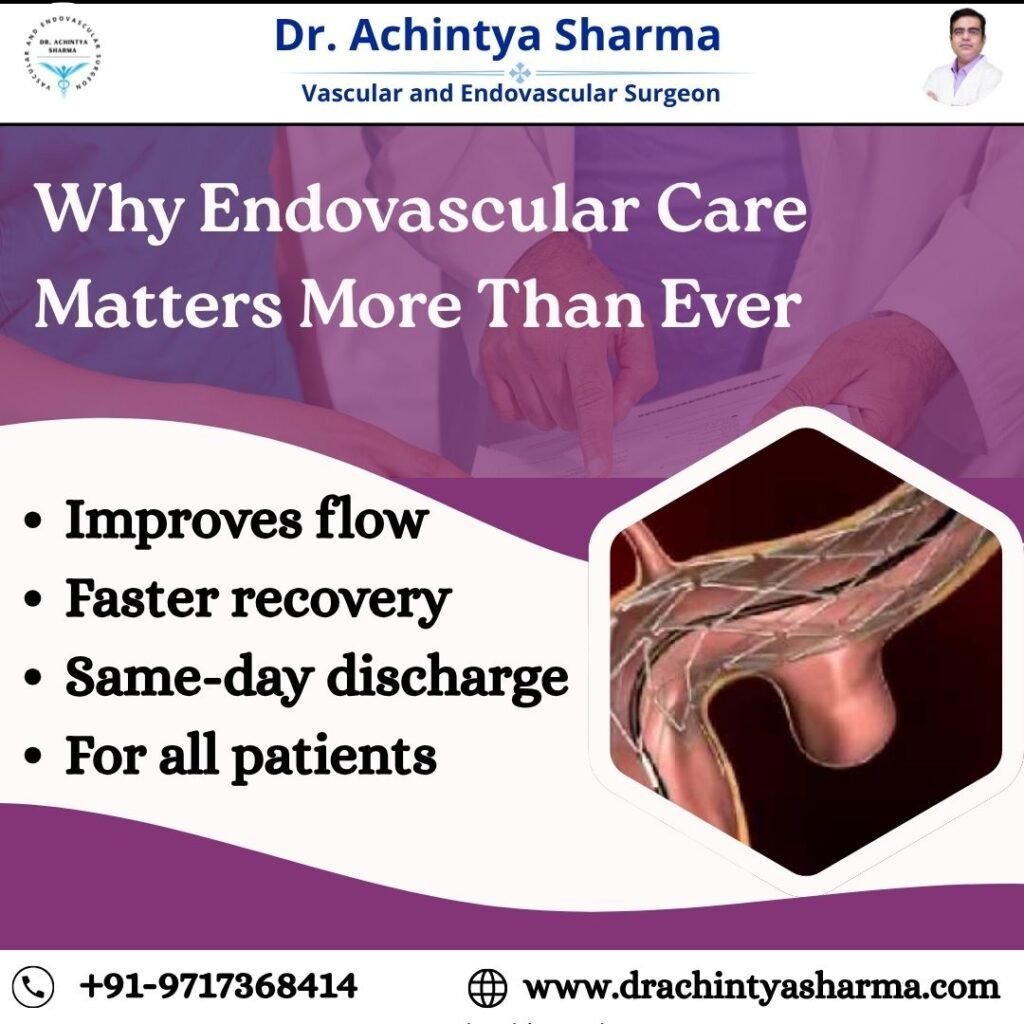
Minimal Incision
Only a 2–3 mm needle entry point.
Less Pain
Reduced trauma means minimal discomfort.
Faster Recovery
Many patients walk within hours and return to daily life quickly.
Lower Risk of Complications
Less bleeding, infection, and scarring.
Local Anesthesia
Safe even for patients who cannot undergo general anaesthesia.
Because endovascular treatments are easier on the body, they are increasingly replacing traditional open surgeries.
Recovery and Lifestyle After Treatment
Most patients notice improvement soon after the procedure. To maintain healthy blood flow, doctors recommend:
- Regular walking or exercise
- Quitting smoking
- Managing blood sugar, cholesterol, and blood pressure
- Following a heart-healthy diet
These habits help ensure long-term success and prevent recurrence of vascular disease.
Importance of Expertise
Success in endovascular treatment depends heavily on the experience and understanding of the vascular specialist. In India, experts like Dr Achintya Sharma play a major role in offering modern, patient-centred vascular care. From accurate diagnosis to personalised treatment planning, Dr. Achintya Sharma ensures that patients receive safe and effective solutions using advanced tools and international protocols.
With extensive experience in minimally invasive treatment, Dr. Achintya Sharma has made this approach more accessible to many patients who were once unsure or afraid of surgery. Many individuals with difficult conditions today lead normal, active lives under the guidance of specialists like Dr. Achintya Sharma, who continue to expand awareness about endovascular management.
Is This Treatment Right for You?
You may be a good candidate if you are experiencing:
- Swelling in the legs
- Leg pain or cramps while walking
- Visible bulging veins
- Foot ulcers that won’t heal
- Sudden weakness or numbness
- Reduced blood flow diagnosed by tests
Ignoring vascular symptoms can lead to serious complications, so early evaluation is key.
Conclusion
The future of vascular treatment is becoming less invasive, safer, and more patient-friendly. Endovascular care represents a major step forward in managing arterial and venous diseases with minimal pain and downtime. If you or someone you know is struggling with circulation problems, leg pain, varicose veins, or artery blockages, considering this modern treatment may offer hope and relief.
Frequently Asked Questions (FAQ)
1. Is endovascular treatment painful?
Most patients experience very little pain because the procedure is done through a tiny opening and often under local anaesthesia.
2. How long does recovery take?
Recovery is usually fast. Many people return home the same day and resume normal activities within a few days.
3. Is the treatment permanent?
Results can last long, especially with healthy habits and medical follow-ups. Some patients may need additional adjustments depending on the condition.
4. Who should avoid this procedure?
Most people are suitable candidates, but a vascular specialist will evaluate medical history and condition before recommending it.