Vascular diseases often develop gradually, but their impact can be life-altering. Symptoms such as persistent leg pain, numbness, swelling, or difficulty walking are often early warning signs of underlying circulation problems. In the past, treatment for these conditions usually meant open surgery, large incisions, long hospital stays, and weeks of recovery. Today, medical science offers a safer and more advanced alternative.
Endovascular treatment has revolutionized vascular care by allowing doctors to treat blood vessel diseases from inside the vessel itself. This minimally invasive approach delivers effective results while significantly reducing pain, recovery time, and surgical risks.
What Is Endovascular Treatment?
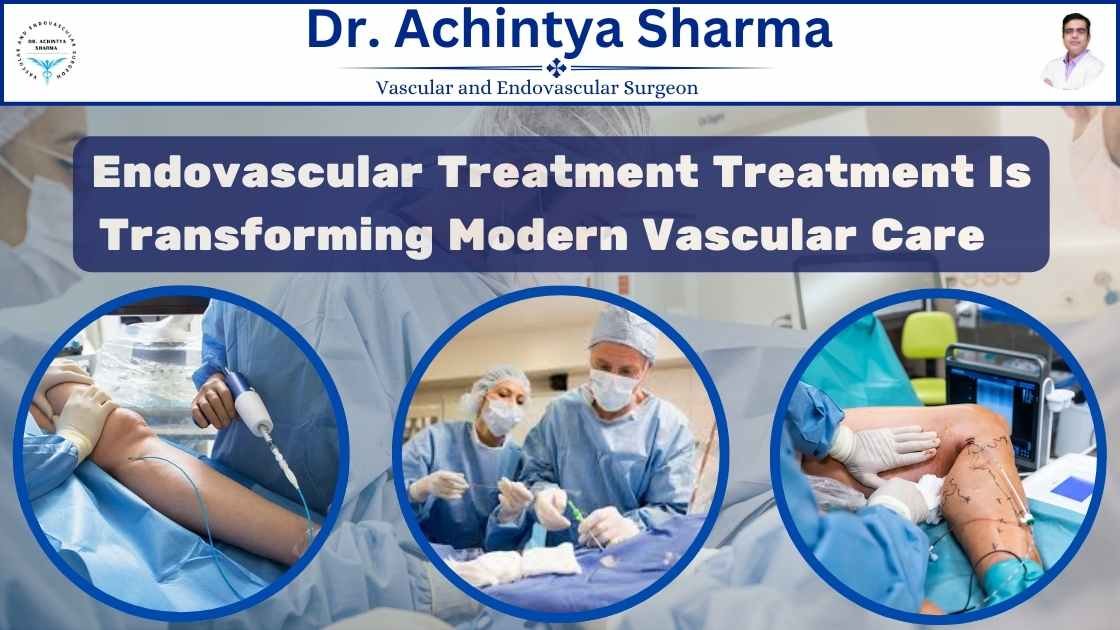
Endovascular treatment refers to a group of minimally invasive procedures used to diagnose and manage diseases of arteries and veins. Instead of making large surgical cuts, the doctor accesses the vascular system through a tiny puncture, usually in the groin or wrist.
Using real-time imaging guidance, thin catheters are carefully navigated through the blood vessels to the affected area. Depending on the condition, the doctor may:
- Open narrowed arteries using balloon angioplasty
- Place a stent to keep the artery open
- Remove blood clots
- Seal abnormal or damaged veins
- Repair aneurysms from within the vessel
This internal approach allows precise treatment while protecting surrounding tissues.
According to Dr Achintya Sharma, this technique focuses on treating the root cause of vascular disease while minimizing physical stress on the patient.
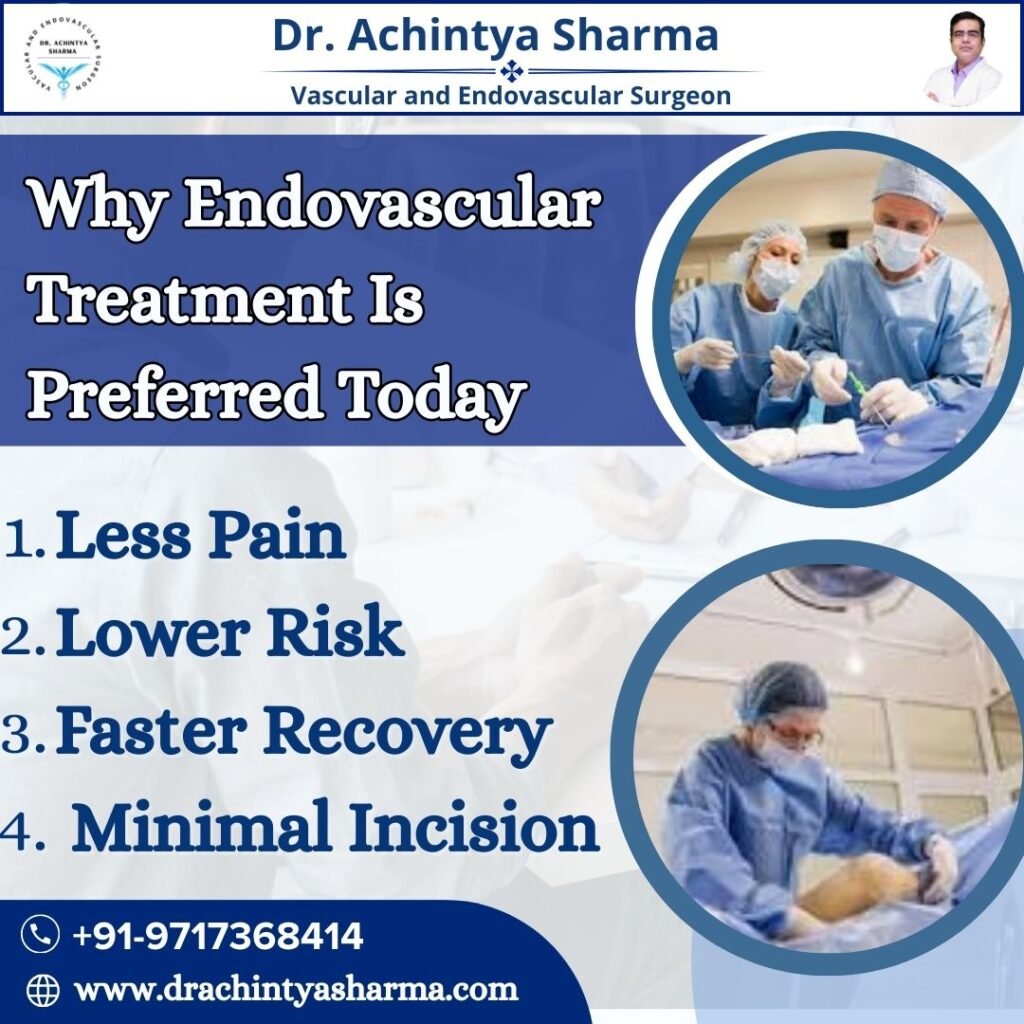
Why Endovascular Treatment Is Preferred Today
Traditional vascular surgery often requires general anesthesia, large incisions, and prolonged recovery. Endovascular treatment offers a more patient-friendly option with multiple advantages.
Key Benefits
Less Pain and Discomfort
Because there is very little tissue damage, post-procedure pain is usually mild and manageable with basic medication.
Shorter Hospital Stay
With endovascular treatment, most patients are discharged the same day or within 24 hours, supporting faster recovery.
Faster Recovery
Most patients resume normal daily activities within a few days instead of weeks.
Lower Risk for High-Risk Patients
Elderly patients and those with diabetes, heart disease, or other medical conditions often tolerate endovascular treatment better than open surgery. These benefits have made endovascular treatment the preferred choice for many vascular conditions.
Conditions Treated With Endovascular Techniques
Endovascular treatment is highly versatile and can be used to manage a wide range of vascular disorders, including:
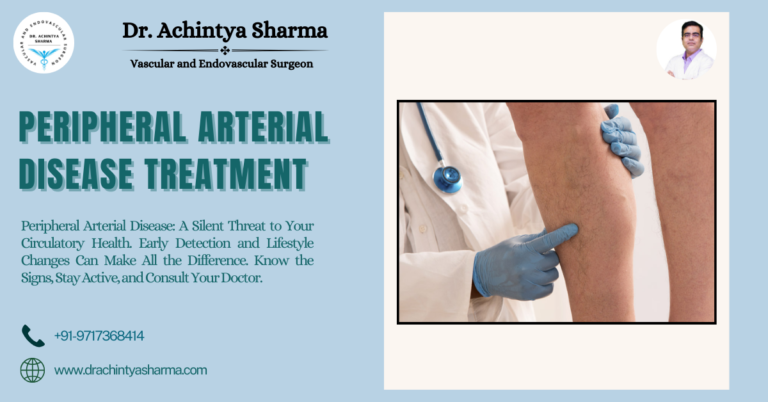
- Peripheral artery disease (PAD), a condition that causes leg pain during walking.
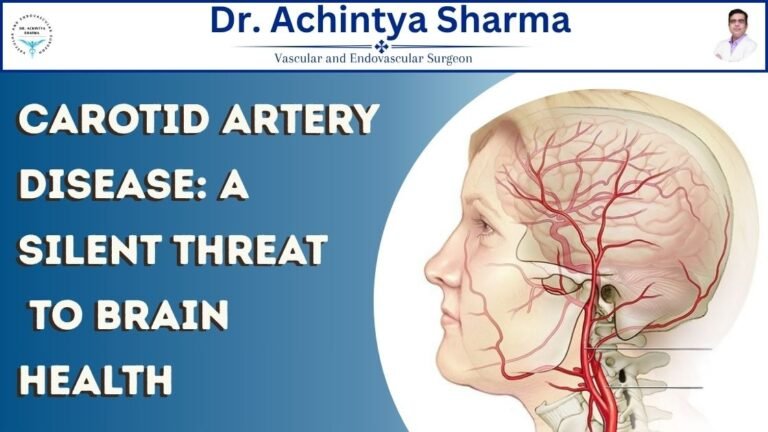
- Carotid artery blockages that increase the risk of stroke
- Aortic aneurysms requiring repair
- Varicose veins and chronic venous insufficiency
- Deep vein thrombosis (DVT)
Under the care of Achintya Sharma, each patient undergoes a thorough evaluation to determine whether an endovascular approach is the safest and most effective option.
What to Expect During an Endovascular Procedure
Understand the endovascular procedurehelp patients feel confident and prepared.
Before the Procedure
Local anesthesia and mild sedation are given to keep the patient relaxed and comfortable.
During the Procedure
A small puncture is made, and a catheter is guided through the blood vessels using advanced imaging. The problem area is treated using specialized tools.
After the Procedure
The access site is closed, often without stitches. Patients rest under observation for a few hours before discharge.
Most procedures take between one and three hours, depending on complexity.
Why Early Treatment Is Important
Vascular diseases do not improve on their own. Delaying treatment can lead to worsening pain, tissue damage, stroke, or limb-threatening complications. Endovascular treatment allows early intervention, restoring blood flow and preventing serious outcomes.
Dr Achintya Sharma emphasizes that timely care not only improves circulation but also protects long-term mobility and quality of life.
Frequently Asked Questions (FAQ)
Q1: Is endovascular treatment painful?
Most patients experience minimal discomfort. Local anesthesia and sedation are used, and post-procedure pain is usually mild.
Q2: How long does recovery take after treatment?
Many patients return to light activities within 2–5 days. Full recovery generally occurs within 1–2 weeks.
Q3: Is treatment safe for elderly patients?
Yes. Because it is minimally invasive, it is often safer for elderly and high-risk patients than open surgery.
Q4: Are endovascular procedures covered by insurance?
Most medically necessary endovascular treatments are covered by insurance, but patients should confirm with their provider.
Q5: Can endovascular treatment prevent future vascular problems?
When combined with lifestyle changes such as a healthy diet, exercise, and smoking cessation, it can provide long-lasting results.