
Reduced blood flow in the legs can slowly disrupt your daily life. Many people ignore early symptoms until walking becomes difficult or wounds stop healing. This is why understanding Peripheral Artery Disease Explained: A Complete Guide is so important. PAD occurs when arteries become narrow due to plaque buildup. This blocks circulation and increases long-term health risks. Early awareness protects your legs and overall well-being. Experts like Dr.Achintya Sharma emphasize that timely diagnosis and lifestyle changes can prevent major complications. With the right knowledge, you can detect PAD early and improve blood flow. Let’s explore this condition in a simple, clear, and complete way.
Why Peripheral Artery Disease Deserves Attention
Peripheral Artery Disease, or PAD, is more common than many people realize. It mainly affects the arteries in your legs. When these arteries narrow, blood can’t reach your muscles properly. This causes pain, cramps, numbness, and weakness.
That is why Peripheral Artery Disease Explained: A Complete Guide is essential for everyone. PAD often begins silently, but it can create serious problems later. Experts, including Dr.Achintya Sharma, explain that early attention helps prevent non-healing wounds, infections, and tissue damage. Understanding the warning signs is the first step toward maintaining strong vascular health.
What Causes Peripheral Artery Disease?
PAD develops when fatty deposits, known as plaque, build up inside the arteries. This narrows the vessel and restricts blood flow.
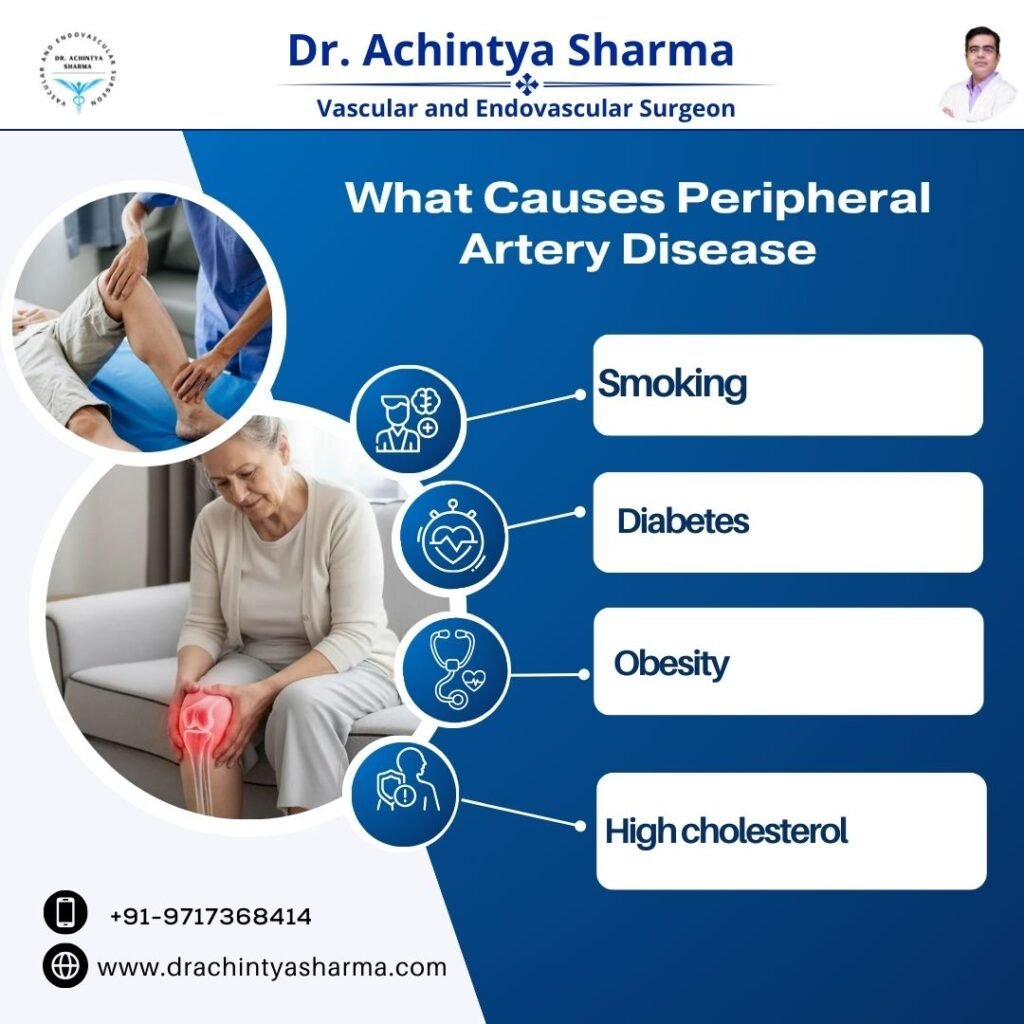
Common causes and risk factors include:
- Smoking
- High cholesterol
- Diabetes
- High blood pressure
- Obesity
- Aging
- Family history of vascular disease
- Lack of regular physical activity
Recognizing these risks is a major part of Peripheral Artery Disease Explained: A Complete Guide. According to experts like, even simple lifestyle changes can slow artery damage and reduce complications.
Symptoms You Should Never Ignore
PAD symptoms often appear slowly. Many people confuse them with aging or simple tiredness.
However, catching symptoms early is extremely important.
Watch out for:
- Leg pain or cramps during walking
- Numbness or weakness in the legs
- Cold lower legs or feet
- Slow-growing toenails
- Shiny, pale, or discolored skin
- Wounds that take too long to heal
- Weak or absent pulse in the feet
These signs show that your blood flow may be restricted. As explained in Peripheral Artery Disease Explained: A Complete Guide, ignoring symptoms increases the risk of serious complications. Experts like strongly recommend early checkups to avoid long-term damage.
How Peripheral Artery Disease Is Diagnosed
Diagnosing PAD is simple, painless, and highly effective. Doctors use several tests to check blood circulation in your legs.
1. Ankle-Brachial Index (ABI)
A quick test that compares blood pressure in the arms and legs.
2. Doppler Ultrasound
Shows how blood moves through the arteries.
3. Angiography
A detailed imaging test that identifies the exact location of blockages.
4. Blood Tests
These check cholesterol, blood sugar, and other risk markers.
According to specialists like, early diagnosis leads to better treatment outcomes and prevents complications.
Treatment Options for Peripheral Artery Disease
PAD treatment varies depending on the severity of the disease.
1. Lifestyle Changes
Walking daily improves circulation. Eating balanced, heart-friendly foods helps reduce plaque buildup. Most importantly, quitting smoking protects your arteries.
2. Medications
Doctors may prescribe medicines to improve blood flow or manage cholesterol, blood pressure, and diabetes.
3. Endovascular Treatments
These minimally invasive procedures use balloons or stents to open blocked arteries.
Experts like use modern, advanced techniques that restore blood flow quickly with shorter recovery times.
4. Surgery (For Severe Cases)
Bypass surgery may be needed when blockages are large or complex.
Living with Peripheral Artery Disease
With proper care, you can still live a healthy and active life.
Follow these everyday tips:
- Walk daily to boost circulation
- Maintain a healthy weight
- Choose balanced meals
- Control blood sugar and blood pressure
- Wear comfortable, supportive footwear
- Attend regular vascular checkups
As highlighted in Peripheral Artery Disease Explained: A Complete Guide, consistent habits protect your arteries and improve long-term quality of life.
Conclusion
PAD may seem overwhelming, but early action makes it highly manageable. Peripheral Artery Disease Explained: A Complete Guide shows that awareness and prevention are the strongest tools. When you identify symptoms early and seek timely medical care, you avoid complications like chronic pain or non-healing wounds. Specialists like Dr.Achintya Sharma provide expert diagnosis and advanced treatment options to restore circulation effectively. You don’t need dramatic changes—just steady habits and routine checkups. Start today, support your vascular health, and give your legs the care they deserve. A strong blood flow leads to a stronger, healthier, and more active life.
FAQs
1. What is Peripheral Artery Disease?
It is a condition where narrowed arteries reduce blood flow to the legs.
2. What are common symptoms of PAD?
Leg pain, cramps, numbness, cold feet, and slow-healing wounds.
3. Who is at higher risk of PAD?
Smokers, diabetics, older adults, and people with high cholesterol or blood pressure.
4. How is PAD treated?
Through lifestyle changes, medications, and minimally invasive procedures.
5. Why consult Dr.Achintya Sharma?
Dr Achintya Sharma offers expert diagnosis and advanced vascular treatments for PAD.