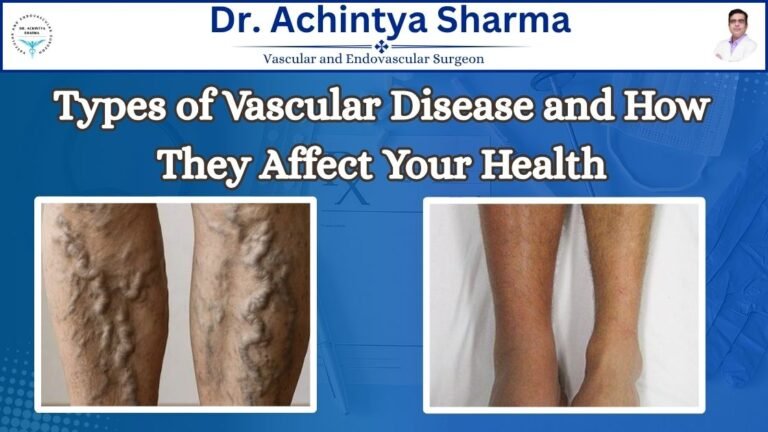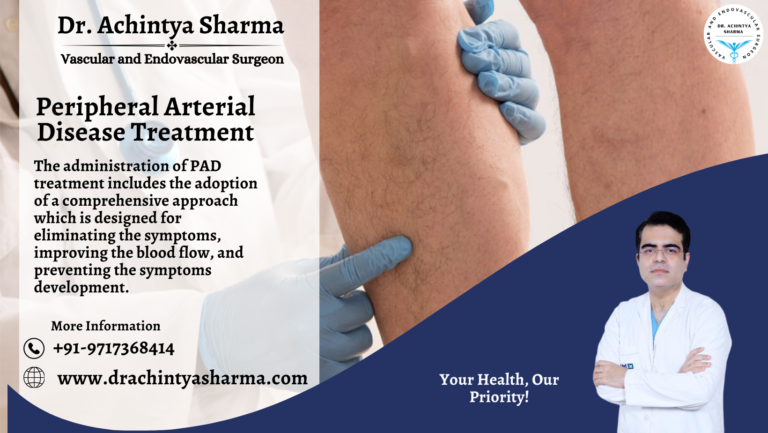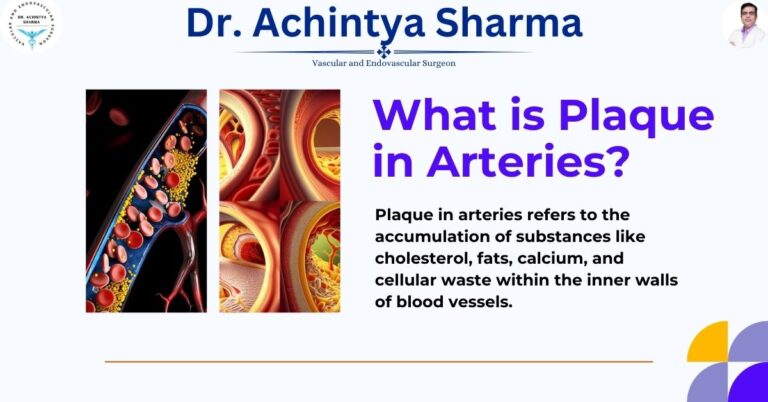
Varicose illness is a common vascular condition that affects the veins, especially in the legs. It develops when vein valves fail to function properly and cannot move blood efficiently toward the heart. As a result, blood flows backward and begins to pool inside the veins. Over time, this increased pressure causes veins to stretch, twist, and become visible beneath the skin. While the condition often starts silently, it can gradually impact comfort, mobility, and overall quality of life if left unaddressed.
What Is Varicose Illness?
Varicose illness occurs when the valves inside veins weaken or become damaged. In healthy veins, valves open and close to keep blood flowing upward. When these valves fail, blood collects in the veins instead of circulating smoothly. This pooling raises pressure within the vein walls, leading to enlargement and distortion. The legs are most commonly affected because they work against gravity throughout the day. The condition develops slowly and may worsen over time without proper care or treatment.
Common Causes of Vein Valve Failure
Several factors contribute to the development of varicose illness. Understanding these causes enables early prevention and effective management.
- Family history of vein problems
- Prolonged standing or sitting
- Obesity and limited physical activity
- Pregnancy and hormonal changes
- Aging and natural weakening of the vein walls
- Previous leg injuries or blood clots
Each of these factors increases pressure on leg veins and interferes with normal blood flow.
Symptoms You Should Not Ignore
Many people experience discomfort before noticing visible vein changes. Common symptoms associated with varicose illness include:
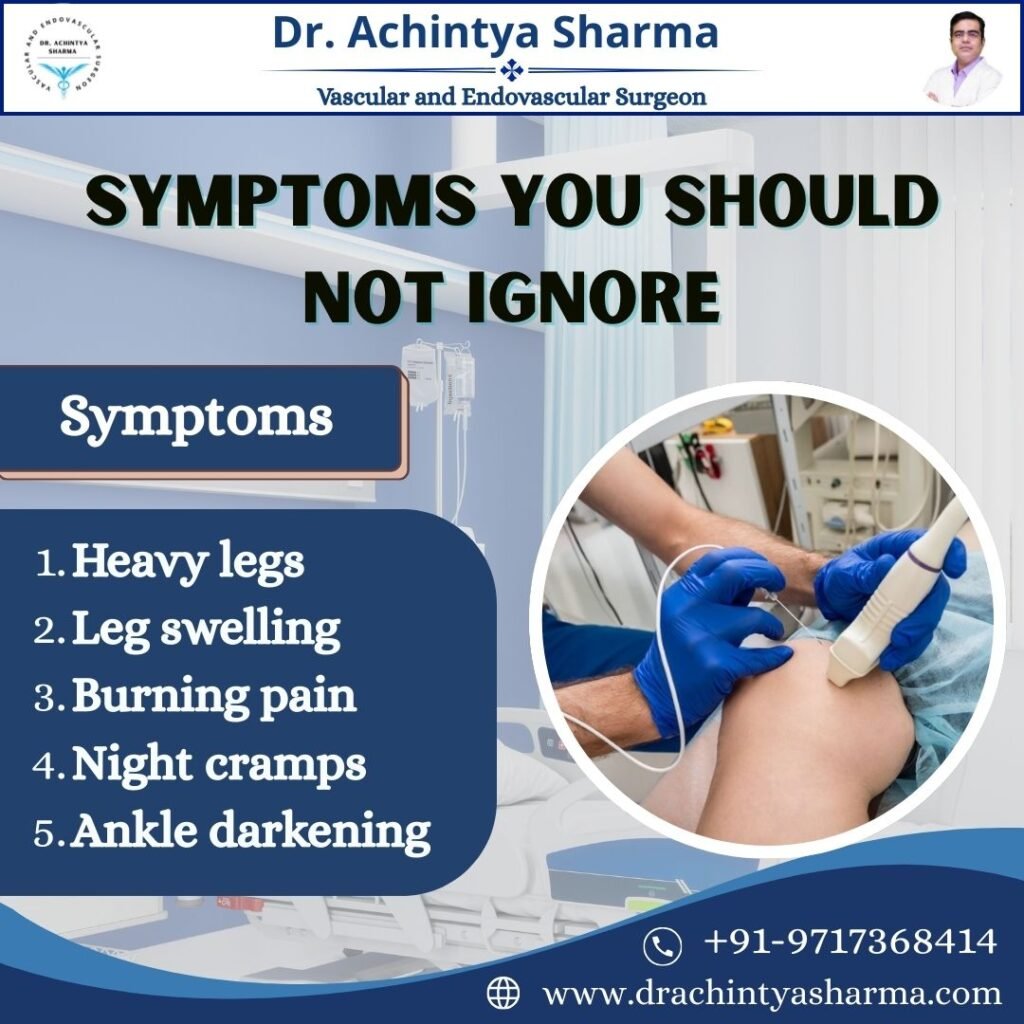
- Heavy legs
- Leg swelling
- Burning pain
- Night cramps
- Vein itching
- Ankle darkening
In advanced stages, the condition can lead to skin ulcers, bleeding, or infections. Early identification is crucial for preventing chronic complications.
How the Condition Is Diagnosed
Diagnosis of varicose illness is simple and non-invasive. A vascular specialist begins with a detailed medical history and a careful physical examination of the legs while standing. Symptoms such as pain, swelling, or visible veins are reviewed closely. A Doppler ultrasound is then performed to evaluate blood flow and check vein valve function. This painless test helps locate damaged veins, detect reflux, and measure disease severity. Accurate diagnosis allows doctors to choose the most suitable treatment plan and avoid unnecessary procedures. Many patients consult experienced specialists like Dr Achintya Sharma for precise evaluation, clear guidance, and confident decision-making, support, care.
Modern Treatment Options Available Today
Treatment for varicose illness has advanced significantly in recent years. Most cases no longer require traditional surgery. Modern approaches are minimally invasive, safe, and highly effective.
1. Conservative and Lifestyle-Based Care
For early-stage cases, doctors may recommend:
- Regular walking and exercise
- Weight management
- Leg elevation during rest
- Use of compression stockings
These measures help reduce symptoms and improve circulation.
2. Minimally Invasive Procedures
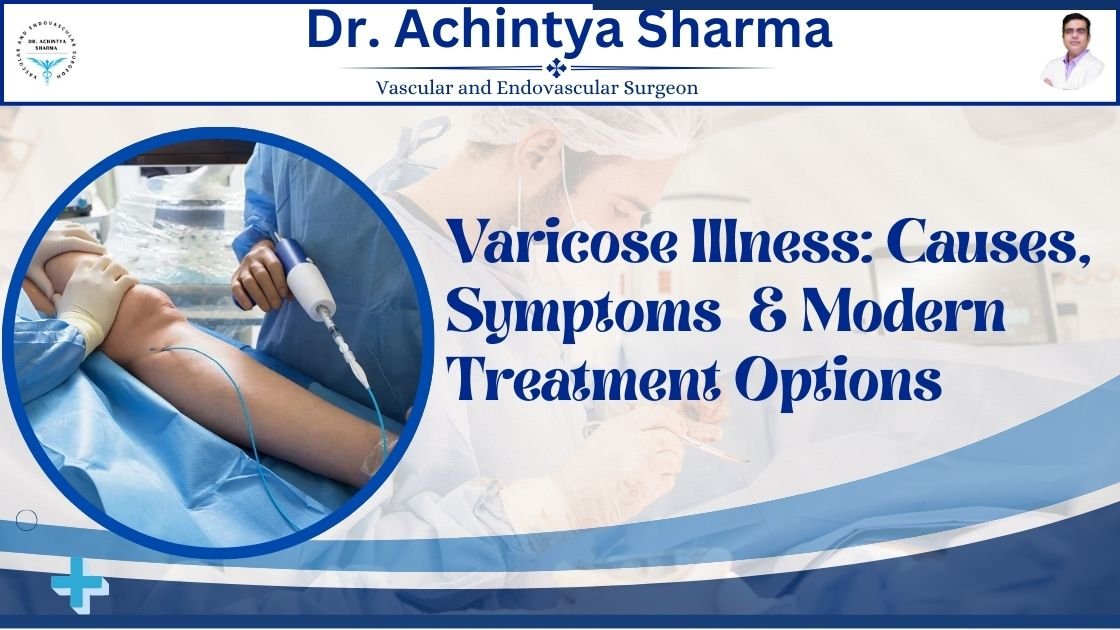
Advanced treatments focus on closing damaged veins and redirecting blood flow to healthy ones. Common options include:
- Laser ablation
- Radiofrequency ablation
- Sclerotherapy
- Glue-based vein closure
These procedures are performed under local anesthesia, require minimal recovery time, and allow patients to return to daily activities quickly. Under expert care, including guidance from Dr Achintya Sharma, outcomes are typically safe and long-lasting.
Why Early Treatment Is Important
Ignoring varicose illness can result in serious complications such as venous ulcers, chronic skin infections, and blood clots. Early intervention not only relieves discomfort but also prevents permanent vein damage. Modern treatments offer effective results with minimal downtime, making early care both practical and beneficial.
Frequently Asked Questions
1. Is varicose illness only a cosmetic concern?
No. It is a medical condition that can lead to pain, skin damage, and serious complications if untreated.
2. Can the condition be treated permanently?
Treated veins do not return. However, new veins may develop if risk factors continue.
3. Is surgery necessary?
In most cases, surgery is no longer required due to advanced minimally invasive techniques.
4. Who should I consult for treatment?
A qualified vascular specialist with experience in modern vein therapies is recommended.
Conclusion
Varicose illness is a progressive condition that should never be ignored. What may begin as mild discomfort can gradually turn into chronic pain and serious health issues. The good news is that modern medicine provides safe, effective, and minimally invasive solutions. With timely diagnosis, lifestyle changes, and appropriate treatment, vein health can be restored and daily comfort improved. Taking early action is the key to preventing complications and achieving long-term relief.