What problem are patients actually trying to solve?
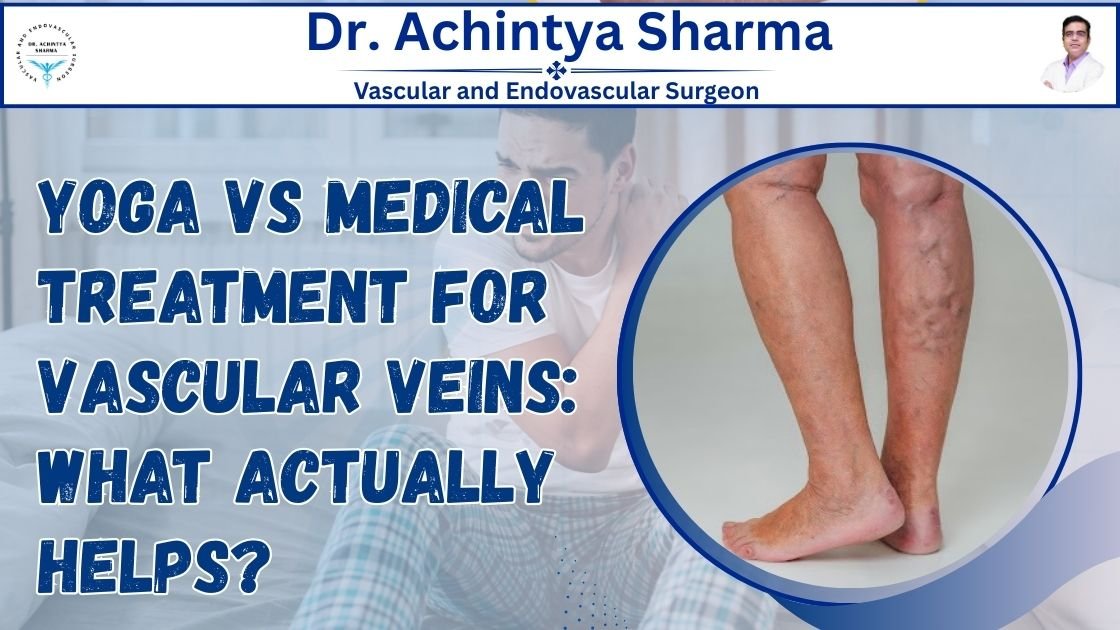
Many people start to worry about their appearance, circulation, and long-term vein health when they see small, noticeable surface lines on their face or legs. When tiny blood vessels become less elastic and blood begins to pool rather than flow smoothly, a vascular vein condition frequently results.
Although a spider vein may initially appear innocuous, it may indicate underlying circulation stress, prolonged standing, hormonal changes, or a genetic predisposition in certain patients. The true question is whether lifestyle therapies like yoga can alleviate symptoms or if a medical evaluation is required for appropriate guidance
Why do these visible veins develop in the first place?
The main cause behind vascular vein changes is weakening of ̣vein valves and vessel walls. When valves fail to push blood upward efficiently, pressure builds inside the vessel, and small veins become enlarged and visible.
Common contributing factors include:
- Long hours of sitting or standing
- Pregnancy and hormonal changes
- Excess body weight
- Family history
- Aging-related loss of elasticity
Yoga can improve muscle pumping and circulation, but it cannot repair damaged valve function once structural changes are present.
Who is at higher risk of progression or complications?
Delaying treatment can cause a vascular vein pattern to gradually spread or increase discomfort following an activity. Even though cosmetic concerns are common, symptoms like burning, mild swelling, or heaviness shouldn’t be disregarded.
Although persistent circulation strain may eventually raise the risk of chronic venous disease, a spider vein rarely becomes dangerous on its own. Early evaluation aids in deciding whether treatment should be considered or if simple monitoring is sufficient
How is the condition properly diagnosed?
Visual inspection is not enough for an accurate diagnosis. A clinician assesses risk factors, daily routines, circulation, and symptom history. Duplex ultrasound is sometimes used to examine valve function and blood flow.
To determine whether a spider vein is purely aesthetic or related to more serious circulation stress, this step is crucial. Early and precise diagnosis enhances treatment planning and stops needless progression, claims Dr. Achintya Sharma.
Can yoga alone improve vascular health meaningfully?
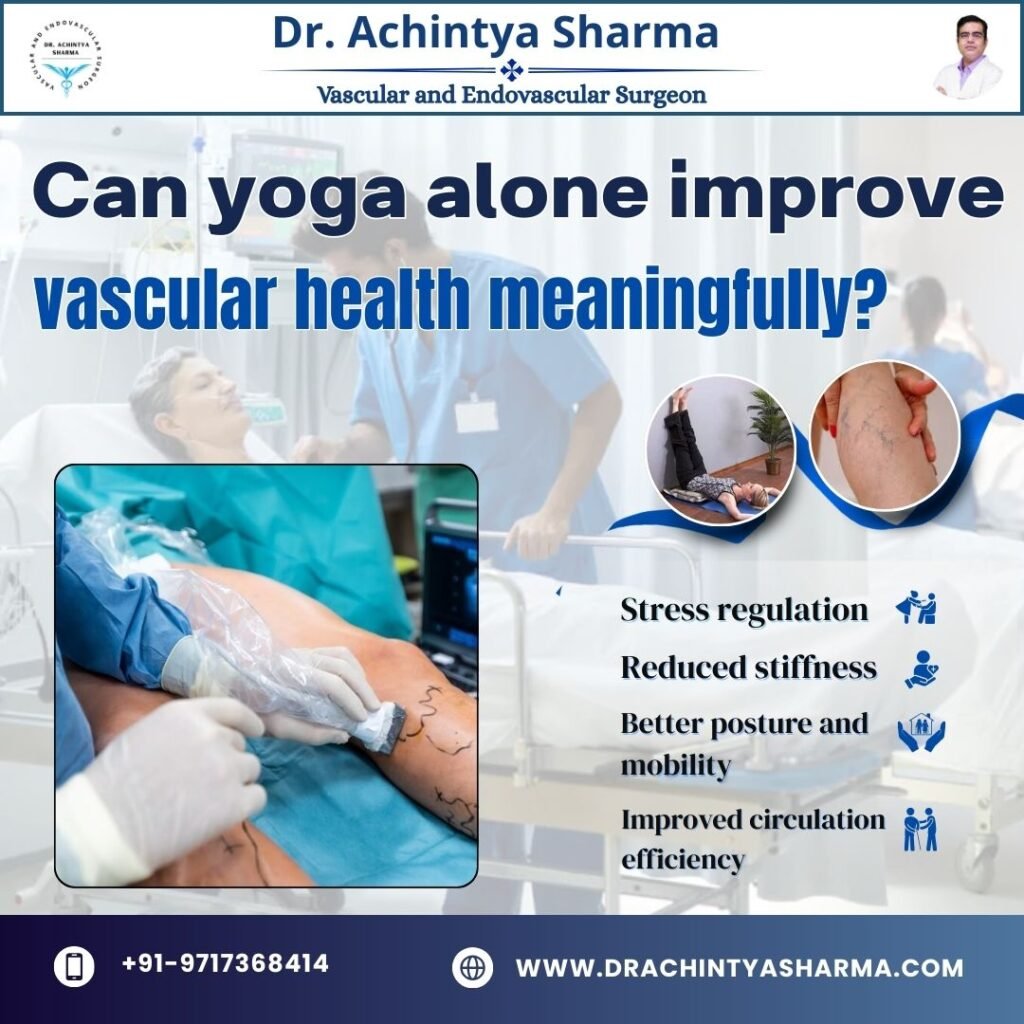
Yoga promotes healthy blood flow, flexibility, and muscle activation. Leg elevation, calf stretches, and controlled breathing are examples of gentle poses that can improve comfort and lessen momentary heaviness.
But structural damage within a vascular vein cannot be repaired by yoga. It is more effective when used as supportive care than as a treatment. Advantages could consist of
- Enhanced circulation effectiveness
- Diminished rigidity
- Improved mobility and posture
- Controlling stress
A spider vein should not be permanently removed by exercise alone, according to patients with visible vessel changes.
When is medical treatment more effective than exercise?
Medical treatments focus on the underlying problem with the blood vessel. Depending on how bad it is and where it is, treatments could include sclerotherapy, laser therapy, or minimally invasive closure methods. These methods close off or collapse broken blood vessels and move blood more effectively.
For persistent vascular vein cases, physicians may recommend advanced vein treatment options after proper diagnostic confirmation. A spider vein that continues to spread or causes discomfort often responds better to medical intervention than lifestyle care alone. As explained by Dr Achintya Sharma, combining professional treatment with healthy activity offers better long-term circulation outcomes.
What preventive steps support long-term circulation health?
Prevention focuses on reducing pressure buildup and maintaining healthy blood flow. Helpful strategies include:
- Regular walking or light stretching during long sitting periods
- Maintaining a healthy weight
- Wearing properly fitted compression garments if advised
- Staying hydrated
- Elevating legs periodically
These measures reduce stress on the vascular vein system but do not eliminate existing structural changes.
When should someone seek medical evaluation?
Medical review is recommended if a vascular vein becomes painful, spreads rapidly, causes skin changes, or interferes with daily comfort. A spider vein that persists despite exercise or lifestyle changes should also be assessed to rule out deeper circulation issues. Timely evaluation allows safer treatment decisions and better long-term outcomes, as emphasised by Dr Achintya Sharma.
Conclusion
Yoga improves comfort and circulation support but cannot correct structural vein damage. Medical evaluation helps determine whether lifestyle care or clinical treatment is appropriate. If symptoms persist or visible veins increase, consult a qualified specialist for accurate diagnosis and personalised guidance to protect long-term vascular health. Visit our website to explore treatment options and book your consultation for expert evaluation and personalised care.
Book your Appointment
Website: https://drachintyasharma.com/
Phone: +91-8192000230
Email: dr.achintyasharma@gmail.com