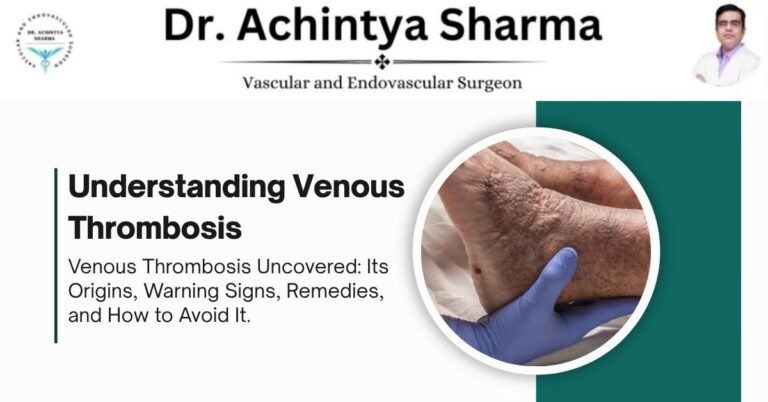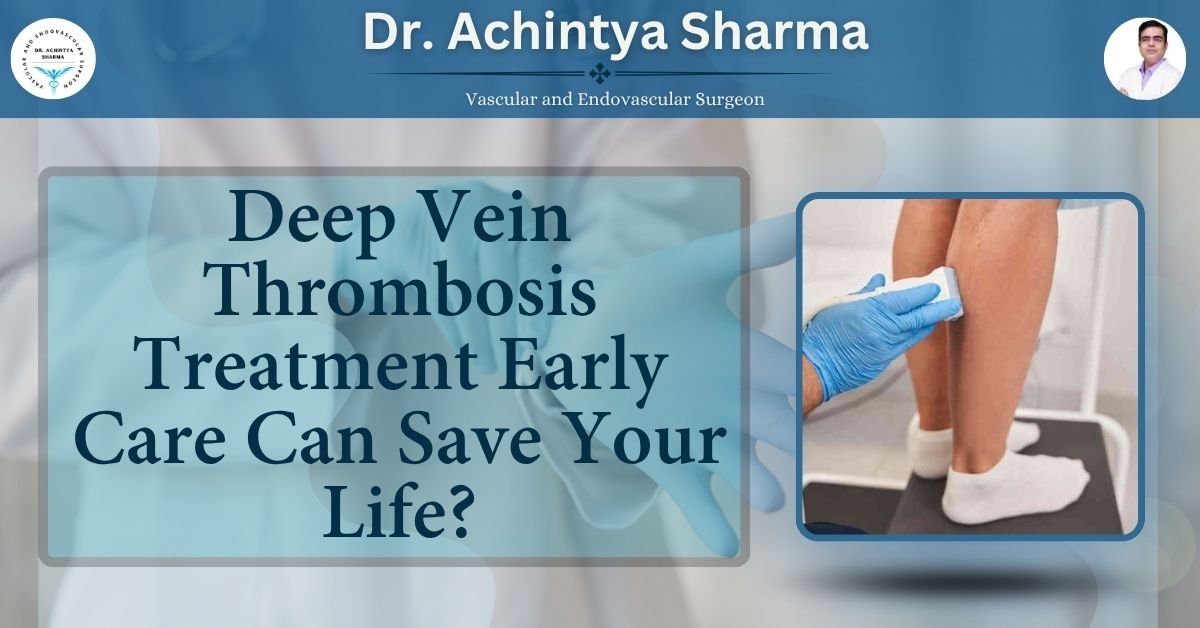
Deep vein thrombosis treatment is essential to prevent serious complications like pulmonary embolism. This condition occurs when a blood clot forms in a deep vein, usually in the legs, affecting normal blood flow. Early symptoms are often ignored, increasing the risk of severe health issues. Early diagnosis and appropriate care are essential for a smooth recovery. Treatment options include medical therapies, lifestyle changes, and supportive at-home DVT treatment practices. Deep Vein Thrombosis Treatment Understanding these approaches helps patients manage the condition effectively, reduce complications, and improve overall vascular health while ensuring a safer and faster recovery process.
What Is Deep Vein Thrombosis Treatment?
Deep vein thrombosis is a condition where blood clots block normal blood flow in deep veins. It often develops due to prolonged inactivity, injury, or underlying medical conditions.
Common Symptoms to Watch For
- Swelling in one leg
- Pain or cramping in the calf
- Red or discolored skin
- Warmth in the affected area
Early detection is essential for effective deep vein thrombosis treatment.
Treatment Options and Care Guide for Deep Vein Thrombosis (DVT)
Deep vein thrombosis (DVT) treatment focuses on preventing clot growth, improving blood flow, and reducing the risk of serious complications like pulmonary embolism. Most patients are managed effectively with medical therapy such as anticoagulants, which thin the blood and stop new clots from forming. In severe cases, thrombolytic medicines may be used to dissolve existing clots. deep vein thrombosis treatment Compression stockings are also recommended to improve circulation and reduce swelling. Along with medical care, lifestyle adjustments and regular monitoring play an important role in recovery. With timely diagnosis and proper care, most patients recover safely without the need for surgical intervention.
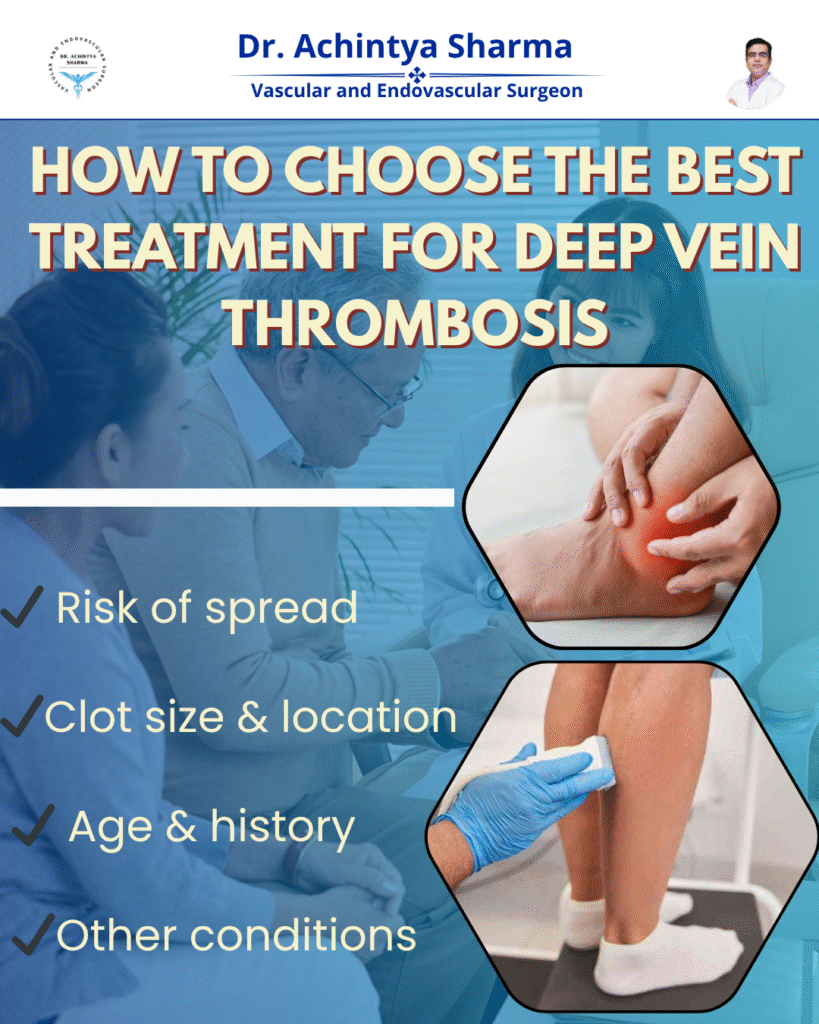
How to Choose the Best Treatment for Deep Vein Thrombosis
Choosing the right treatment depends on individual health conditions and the severity of the clot.
Key Factors to Consider:
- Size and location of the clot
- Patient’s age and medical history
- Risk of clot spreading
- Presence of other health conditions
Consulting a vascular specialist ensures you receive the most effective deep vein thrombosis treatment plan.
Lifestyle Changes for Better Recovery
Recovery from deep vein thrombosis treatment (DVT) requires consistent lifestyle improvements to reduce the risk of recurrence and support better circulation. Maintaining a healthy weight helps reduce pressure on the veins, while avoiding smoking improves overall blood flow and vascular health. Staying physically active is also important, as regular movement prevents blood from pooling in the legs. Additionally, taking short breaks during long travel or periods of sitting helps keep circulation active and lowers the chances of new clot formation. These healthy habits together play a key role in long-term DVT prevention and recovery.
FAQs
1. Which treatment works best for deep vein thrombosis?
DVT is commonly treated with blood thinners and proper medical care to stop clot growth and prevent complications.
2. Can DVT be treated at home?
Home care supports recovery, but medical treatment is necessary for safe results.
3. Is surgery required for DVT?
Most cases do not require surgery and can be treated with medications.
4. How long does DVT treatment take?
Treatment duration varies based on severity and can range from a few weeks to several months.
5 What happens if DVT is not treated?
If left untreated, DVT can cause serious complications like pulmonary embolism, which can be life-threatening.
6. How can I prevent DVT naturally?
Regular movement, hydration, and avoiding prolonged sitting help prevent DVT.
Conclusion
Effective deep vein thrombosis treatment requires early diagnosis, timely medical care, and supportive lifestyle changes. The main goal is to prevent clot growth, reduce symptoms, and improve circulation. DVT treatment at home, such as regular movement, leg elevation, and compression stockings, can support recovery under medical supervision. The best treatment for deep vein thrombosis includes anticoagulant medications to prevent new clots and reduce risks. For advanced care, consult experts in vascular treatment in Delhi. Following a proper deep vein thrombosis treatment plan and healthy habits ensures faster recovery and lowers the chances of recurrence and serious complications.