Blood is life, and it needs to flow smoothly through our veins and arteries. But sometimes, this flow gets disrupted by a clot. This condition, called thrombosis, can be dangerous if not detected early. Learning the Thrombosis Definition and knowing the risk factors can help protect you from serious health issues. Many people underestimate it until it causes complications. With awareness and expert advice from specialists like Dr. Achintya Sharma, prevention becomes easier. In this blog, we’ll break down what thrombosis means, why it matters, and how you can protect yourself from it.
What is Thrombosis?
Thrombosis can be defined as the development of a blood clot within a blood vessel, which restricts or blocks normal blood flow. These clots can develop in veins or arteries.
- When a clot forms in a vein, it’s called venous thrombosis.
- A clot that forms inside an artery is termed arterial thrombosis.
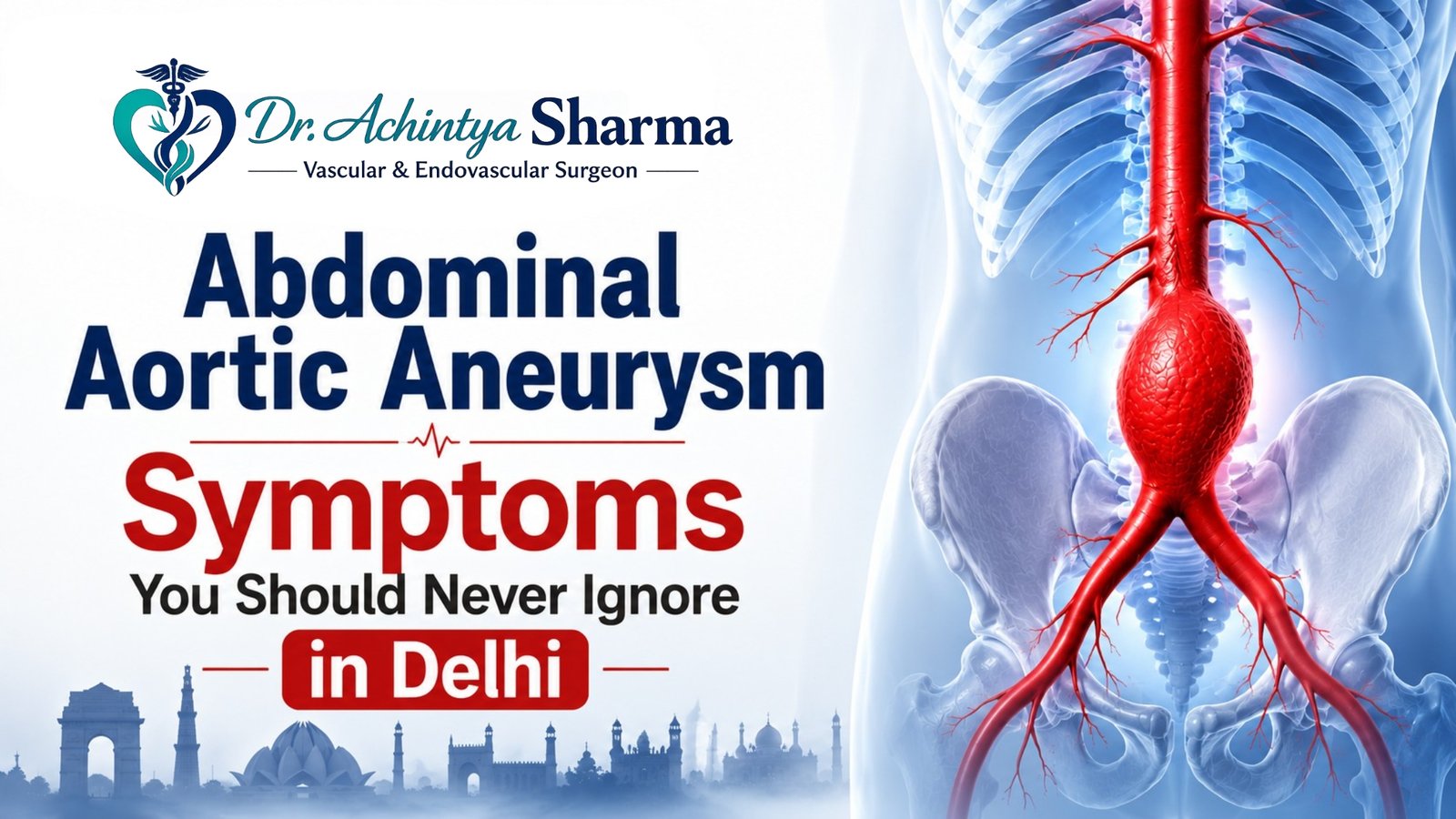
The problem isn’t just the clot itself, but what happens if it moves. A loose clot can travel to vital organs like the lungs, brain, or heart. This can cause life-threatening emergencies such as pulmonary embolism, stroke, or heart attack. That is why understanding the Thrombosis Definition is not just medical knowledge—it can save lives.
Why Should You Care?
You might think blood clots are rare, but thrombosis affects millions every year. Many people do not realize they have it until severe complications arise. By the time symptoms appear, it may already be serious.
Knowing the Thrombosis Definition helps you recognize the risks. Specialists like Dr. Achintya Sharma stress that early detection and lifestyle management make a big difference. People who sit for long hours, smoke, or have certain health conditions are more vulnerable.
Ignoring the warning signs may result in sudden emergencies. But if you are informed, you can take steps to lower the risks and protect your long-term health.
Risk Factors of Thrombosis
Now that we understand the Thrombosis Definition, let’s talk about the causes. Thrombosis doesn’t happen randomly—there are clear risk factors that make it more likely.
Major Risk Factors:
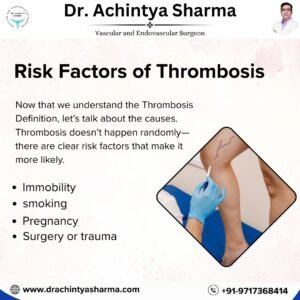
- Immobility – Sitting for long periods at work, during travel, or after surgery.
- Obesity – Extra weight slows circulation and puts pressure on veins.
- Smoking – harms blood vessels and raises the risk of clot formation.
- Pregnancy – Hormonal changes raise the chances of clot formation.
- Age – Older adults are more prone to blood clots.
- Medical history – Cancer, diabetes, and heart disease increase risk.
- Family history – Genetics can make you more vulnerable.
- Surgery or trauma – Especially orthopedic surgery, which can trigger clot formation.
What makes thrombosis concerning is that many of these factors are common. However, the good news is that many can be controlled with lifestyle choices. As Dr. Achintya Sharma often explains, small preventive steps today can reduce life-threatening complications tomorrow.
How to Protect Yourself
Understanding the Thrombosis Definition and risk factors is only the first step. The real value lies in prevention. Here’s what you can do to lower your risk:
- Keep moving – Avoid sitting or standing still for long hours. Walk around every 1–2 hours.
- Stay hydrated – Drinking enough water helps blood flow freely.
- Maintain a healthy weight – This reduces strain on your circulatory system.
- Quit smoking – Protects your blood vessels and lowers clotting risks.
- Follow medical advice – If you’ve had surgery or a chronic illness, take prescribed medication and use compression stockings if advised.
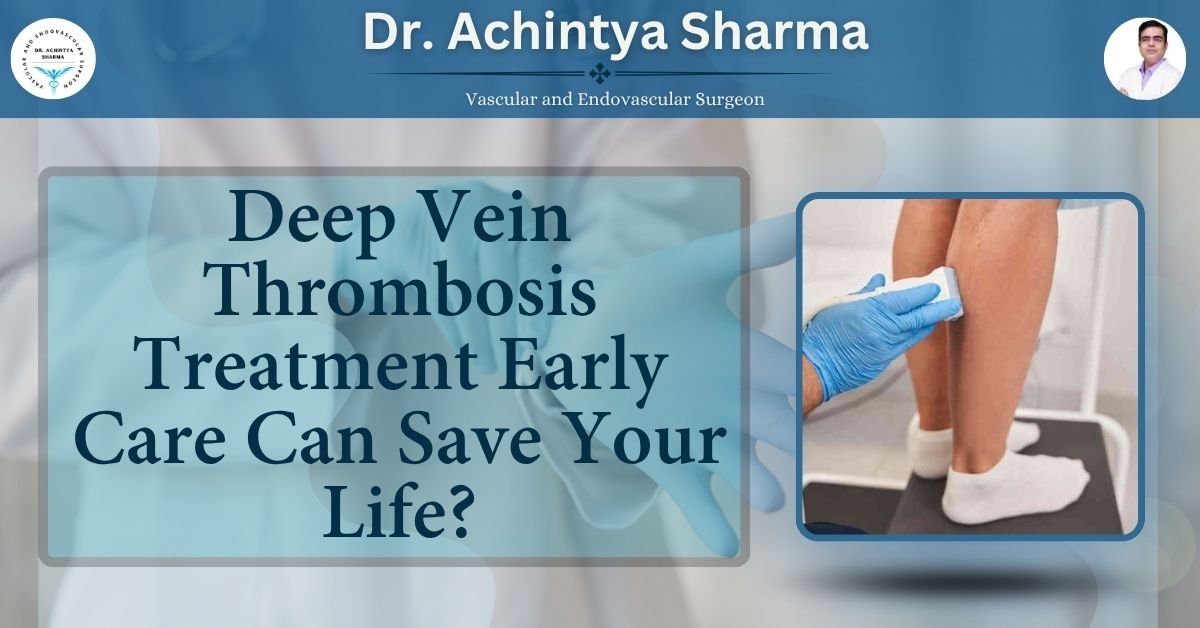
Recognizing early warning signs is also important. Swelling, pain, warmth, or redness in one leg could indicate deep vein thrombosis. Chest discomfort or difficulty breathing may indicate a clot has moved.In such cases, seek immediate help from a specialist like Dr. Achintya Sharma.
Conclusion
Thrombosis is more than a medical condition—it’s a silent risk that can change lives instantly. By understanding the Thrombosis Definition and learning about its risk factors, you take the first step in prevention. Awareness is power, and action is protection. With lifestyle changes and expert care from professionals such as Dr. Achintya Sharma, you can lower your chances of facing dangerous complications. Remember, simple choices like staying active, drinking water, and avoiding smoking go a long way. Take charge of your health today, because prevention is always better than emergency treatment tomorrow.