General Vascular Care
1. What does a vascular surgeon treat?
A vascular surgeon diagnoses and treats conditions affecting the arteries, veins, blood circulation, and lymphatic system. Common conditions include varicose veins, peripheral artery disease, diabetic foot, blood clots, carotid artery disease, aneurysms, vascular malformations, and dialysis access problems.
2. When should I see a vascular surgeon?
You should consider a vascular consultation if you have persistent leg pain, swelling, visible veins, numbness, cold feet, non-healing wounds, circulation problems, or symptoms suggesting a blood clot or blocked artery.
3. What symptoms may indicate a vascular problem?
Common symptoms include leg pain while walking, swelling, numbness, cold feet, bulging veins, skin colour changes, non-healing wounds, and circulation-related discomfort.
4. Do all vascular conditions require surgery?
No. Treatment depends on the condition, its severity, and the patient’s overall health. Medical management, minimally invasive procedures, or surgery may be recommended after evaluation.
5. What is the difference between vascular and endovascular treatment?
Vascular treatment includes surgical management of blood vessel conditions, while endovascular treatment generally uses minimally invasive techniques performed through blood vessels to diagnose or treat the problem.
Varicose Vein Treatment
6. What are varicose veins?
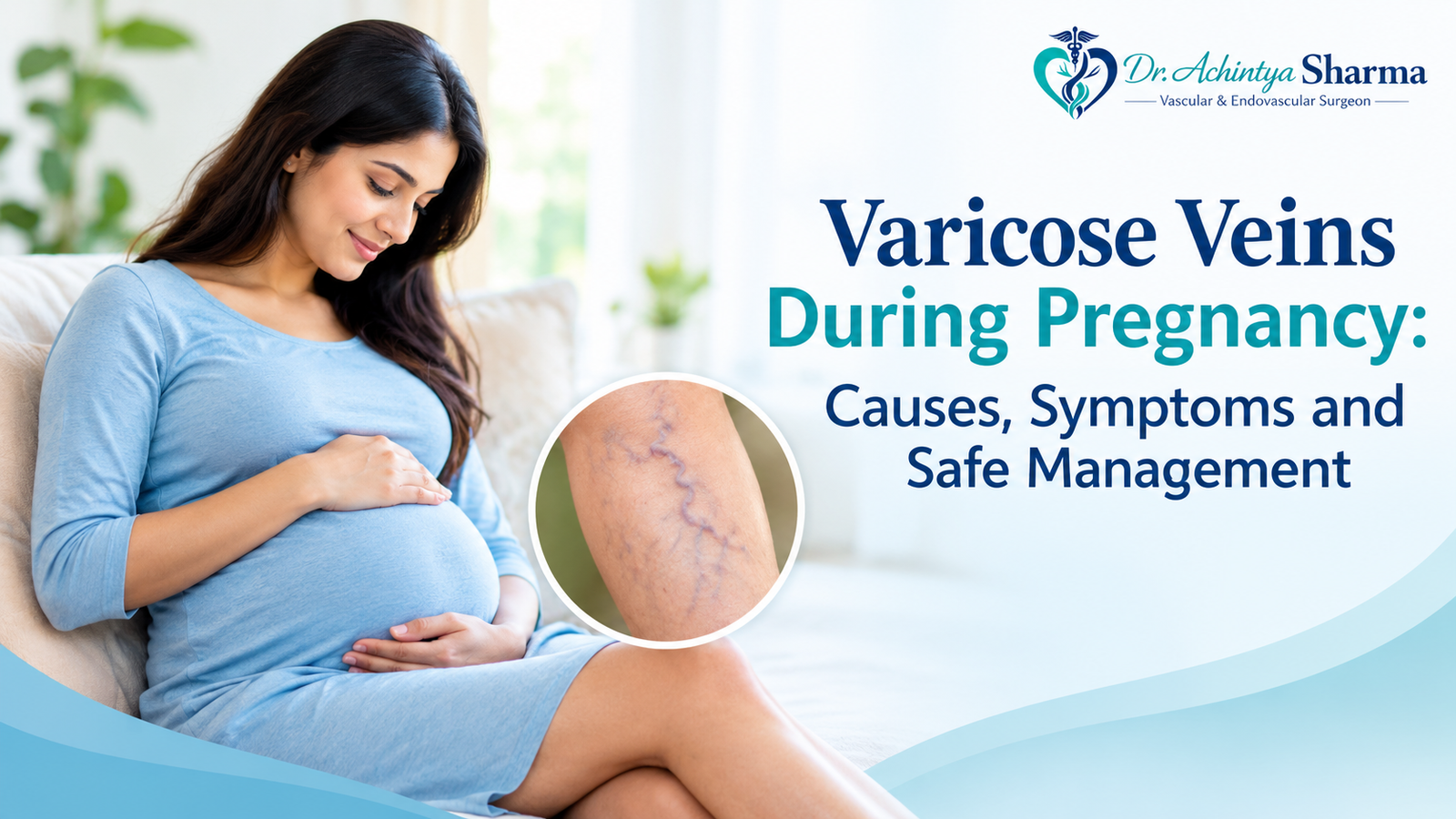
Varicose veins are enlarged and twisted veins, commonly seen in the legs. They may cause visible bulging veins, heaviness, aching, swelling, or discomfort.
7. What treatments are available for varicose veins?
Treatment options include laser treatment, glue treatment, sclerotherapy, and radiofrequency (RF) ablation, depending on the patient’s condition.
8. What is Glue Treatment for varicose veins?
Glue treatment, also known as Venaseal™, uses a medical-grade adhesive to close the affected vein. It is a minimally invasive treatment and does not use heat.
9. Is varicose vein treatment minimally invasive?
Several modern treatments for varicose veins are minimally invasive and are designed to reduce discomfort and support faster recovery.
10. Can varicose veins be treated without traditional surgery?
In suitable patients, minimally invasive options such as laser treatment, glue treatment, sclerotherapy, or RF ablation may be considered instead of conventional surgery.
11. Is laser treatment available for varicose veins?
Yes. Laser treatment is one of the minimally invasive options available for suitable varicose vein cases.
12. What is sclerotherapy?
Sclerotherapy is a treatment used to manage certain problematic veins by injecting a medical solution into the affected vein.
Peripheral Artery Disease (PAD)
13. What is Peripheral Artery Disease (PAD)?
PAD is a condition in which arteries, commonly those supplying the legs, become narrowed or blocked, reducing blood flow to the limbs.
14. What are common symptoms of PAD?
Symptoms may include leg pain while walking, cramps, numbness, cold feet, poor circulation, and wounds that do not heal properly.
15. Why should PAD be treated early?
Untreated or advanced PAD can lead to serious circulation problems, non-healing wounds, infection, tissue damage, and an increased risk of limb loss.
16. How is PAD treated?
Treatment depends on the severity of the disease. Options may include medical management, angioplasty, stenting, revascularization, or other vascular procedures.
17. What is angioplasty for PAD?
Angioplasty is a minimally invasive procedure used to improve blood flow through a narrowed or blocked artery.
18. Is stenting used for blocked leg arteries?
Stenting may be used in selected cases to help keep a treated artery open and improve blood flow.
19. What is limb salvage treatment?
Limb salvage focuses on restoring blood circulation and treating wounds or other complications to help prevent avoidable limb loss.
Diabetic Foot Care
20. Why can diabetes affect the feet?
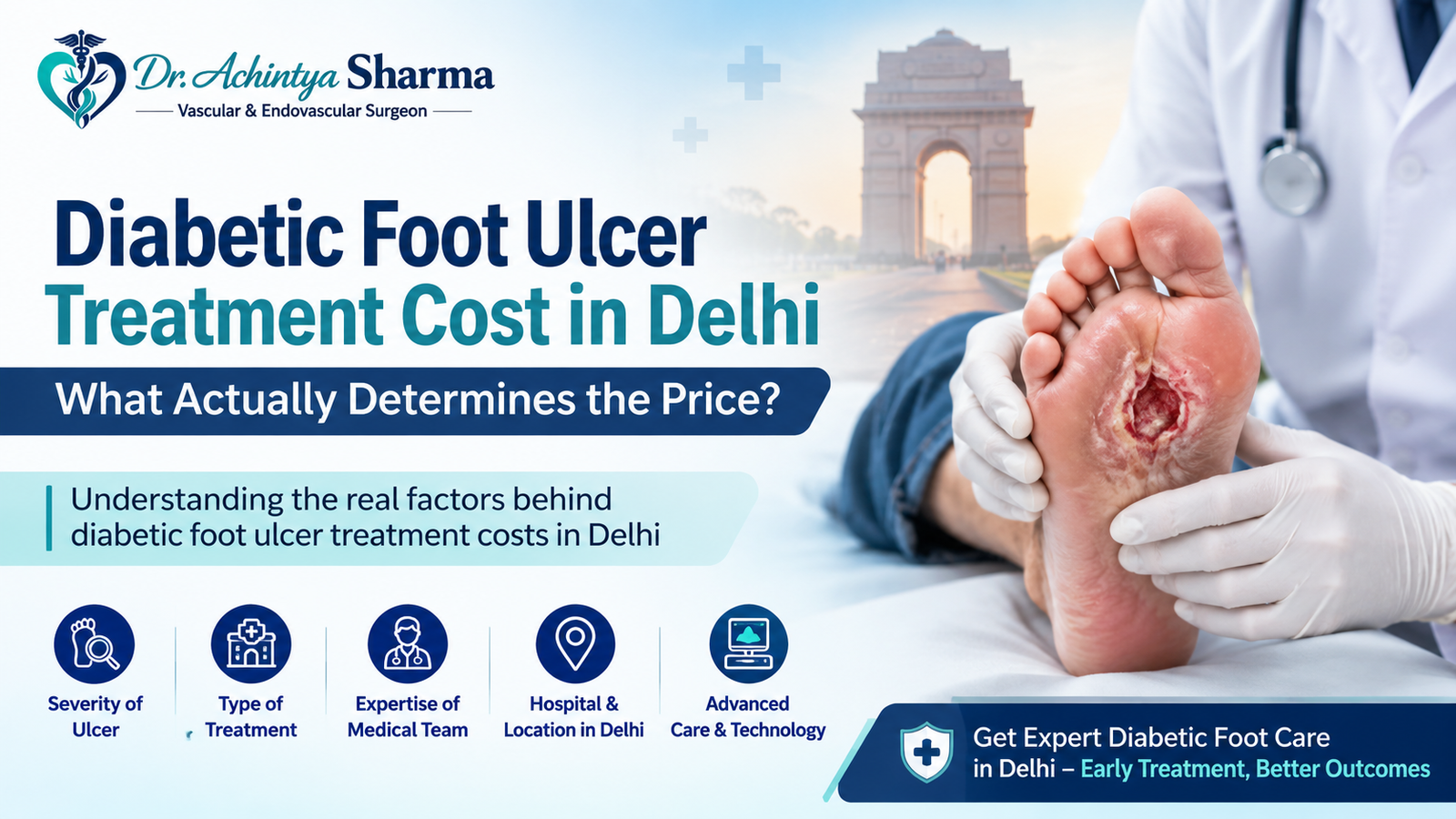
Diabetes can be associated with nerve damage and poor blood circulation, which can make foot wounds difficult to heal and increase the risk of serious complications.
21. When should a person with diabetes seek vascular care for a foot problem?
A diabetic patient should seek medical evaluation for a non-healing wound, change in foot colour, swelling, infection, cold foot, or other signs of poor circulation.
22. What does diabetic foot care involve?
Care may involve wound management, assessment of blood circulation, treatment of vascular blockages, and measures aimed at preventing serious complications and amputation.
23. Can vascular treatment help prevent diabetic foot amputation?
Early evaluation and appropriate treatment of circulation problems can play an important role in limb salvage and reducing the risk of severe complications.
Deep Vein Thrombosis (DVT)
24. What is Deep Vein Thrombosis (DVT)?
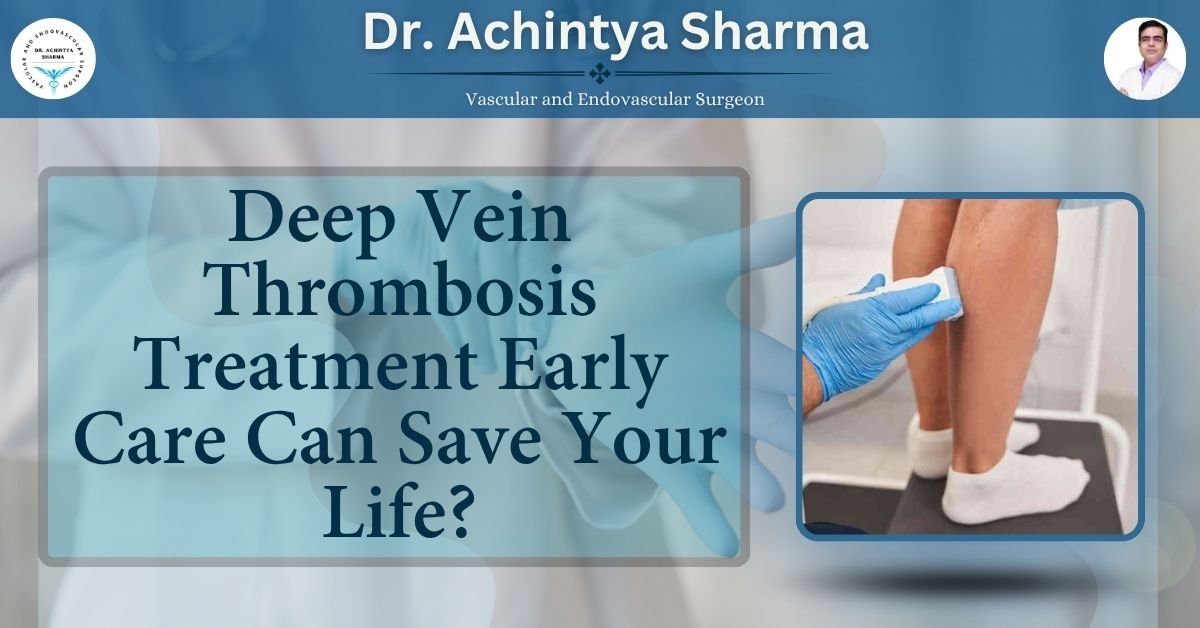
DVT occurs when a blood clot forms in a deep vein, commonly in the leg. It requires timely medical assessment because some clots can become dangerous.
25. What are possible symptoms of DVT?
Possible symptoms include leg swelling, pain, tenderness, warmth, or changes in the affected limb. Symptoms can vary, so medical evaluation is important when DVT is suspected.
26. How is DVT treated?
Treatment depends on the location and severity of the clot and may include medical treatment, clot removal, thrombectomy, thrombolysis, or long-term management when appropriate.
27. Is DVT an emergency?
Some cases of DVT can become serious and require urgent medical attention, particularly when there are symptoms suggesting a complication.
Carotid Artery Disease
28. What is carotid artery disease?
Carotid artery disease occurs when the arteries supplying blood to the brain become narrowed or blocked, potentially increasing the risk of stroke.
29. Why is carotid artery disease important to treat?
Managing carotid artery disease can help reduce the risk of serious complications such as stroke.
30. What treatments are available for carotid artery disease?
Depending on the patient’s condition, treatment may include carotid endarterectomy (CEA), carotid artery stenting (CAS), medical management, or other appropriate vascular care.
Aortic Aneurysm
31. What is an aortic aneurysm?
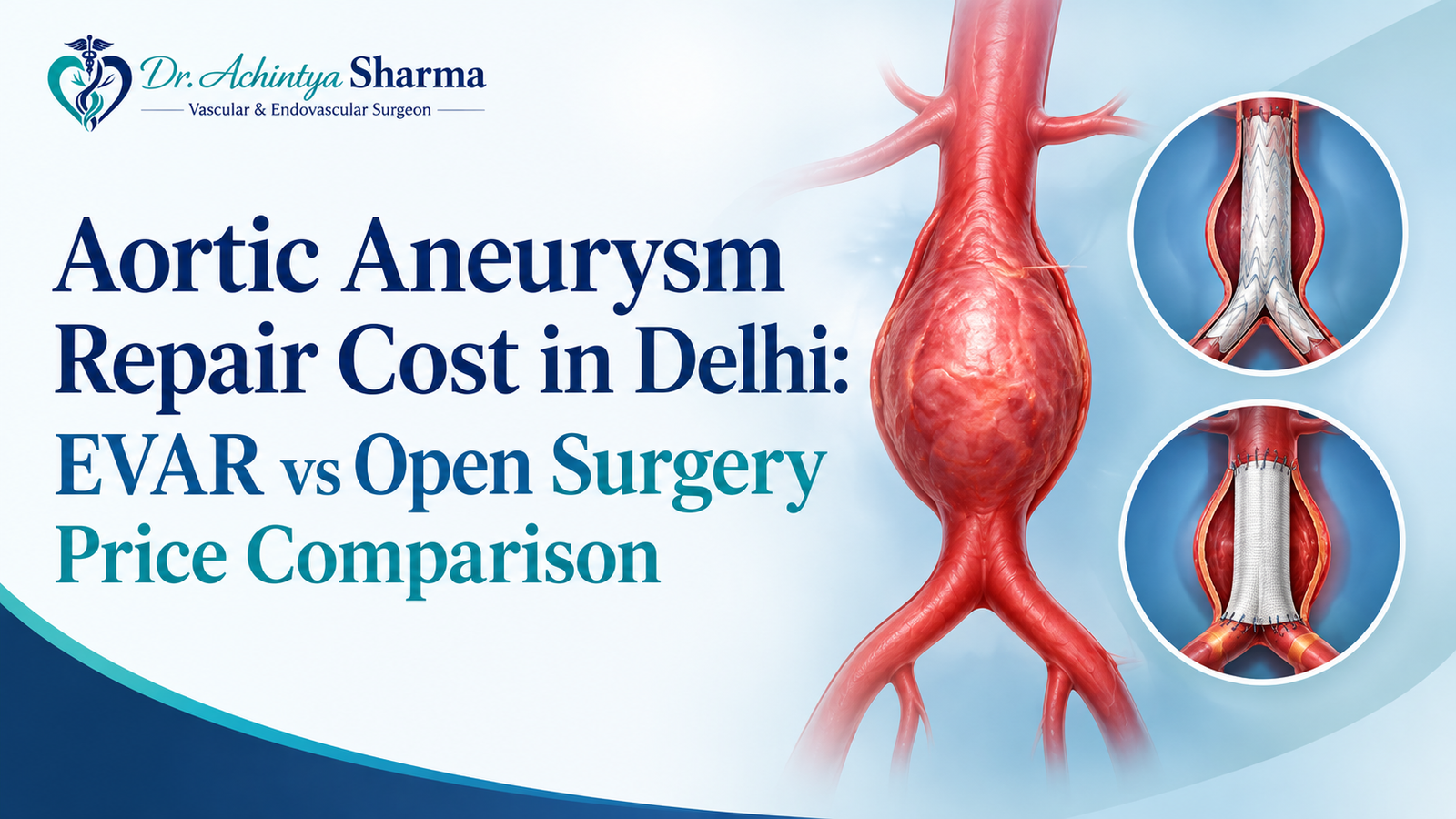
An aortic aneurysm is an abnormal enlargement or weakening of a section of the aorta. Some aneurysms can become life-threatening if they grow or rupture.
32. How is an aortic aneurysm treated?
Treatment depends on the size, location, symptoms, and overall risk. Options can include open surgery or endovascular aneurysm repair (EVAR).
33. What is EVAR?
EVAR stands for Endovascular Aneurysm Repair. It is a minimally invasive approach used to treat selected aortic aneurysms from inside the blood vessel.
Vascular Malformations & Lymphatic Conditions
34. What is a vascular malformation?
A vascular malformation is an abnormal development of blood vessels. Different types may affect veins, arteries, or other vascular structures.
35. How are vascular malformations treated?
Treatment depends on the type and location of the malformation. Options may include targeted embolization, sclerotherapy, or other specialised treatment.
36. What is lymphoedema?
Lymphoedema is swelling that occurs when the lymphatic system does not drain fluid properly. It may require specialised evaluation and long-term management.
AV Fistula & Dialysis Access
37. What is an AV fistula?
An arteriovenous (AV) fistula is a connection between an artery and a vein created to provide vascular access for haemodialysis.
38. Who may need an AV fistula?
Patients who require haemodialysis may need a suitable vascular access, such as an AV fistula.
39. Can an existing dialysis fistula require treatment?
Yes. A dialysis access may sometimes require maintenance, revision, or other procedures if there are complications or problems with its function.
Mesenteric Artery Disease
40. What is mesenteric artery disease?
Mesenteric artery disease affects the arteries supplying blood to the intestines. Reduced blood flow can cause intestinal ischemia and other serious complications.
41. How is mesenteric artery disease treated?
Treatment depends on the cause and severity and may involve revascularization or other vascular treatment to restore blood flow to the intestines.
Vascular Surgery & Procedures
42. What types of vascular procedures are available?
Depending on the condition, treatment may include laser treatment, sclerotherapy, RF ablation, glue treatment, angioplasty, stenting, thrombectomy, thrombolysis, bypass surgery, EVAR, embolization, and dialysis access procedures.
43. Are minimally invasive vascular procedures available?
Yes. A range of minimally invasive endovascular treatments is available for suitable vascular conditions.
44. What are the advantages of minimally invasive vascular treatment?
Depending on the procedure and patient, minimally invasive treatment may involve smaller incisions, less discomfort, faster recovery, and a shorter hospital stay compared with some traditional surgical approaches.
45. How is the right vascular treatment decided?
The appropriate treatment is decided after evaluating the patient’s symptoms, medical history, vascular condition, investigations, and overall health.
About the Doctor
46. What are Dr. Achintya Sharma’s qualifications?
Dr. Achintya Sharma has completed MBBS, MS in General Surgery, and MCh in Vascular Surgery. He received a Gold Medal as the Best Outgoing Student in MCh Vascular Surgery and also completed a Fellowship in Vascular & Endovascular Surgery from PMU Salzburg, Austria.
47. Where does Dr. Achintya Sharma practice?
He practices as a Consultant in Vascular & Interventional Surgery at Fortis Hospital, Shalimar Bagh, Delhi. Consultations are also available at Tirath Ram Shah Hospital, Civil Lines, Delhi.
48. Is a second opinion available for vascular conditions?
Yes. The website provides an option for patients to seek a second opinion regarding their vascular condition and treatment.
Appointments, Locations & Contact
49. Where can I consult for vascular treatment in Delhi?
Consultations are available at Fortis Hospital, Shalimar Bagh and Tirath Ram Shah Hospital, Civil Lines, Delhi.
50. What are the consultation timings?
At Fortis Hospital, Shalimar Bagh, consultations are available on Monday, Wednesday, and Friday from 3 PM to 5 PM. At Tirath Ram Shah Hospital, Civil Lines, consultations are available on Tuesday, Thursday, and Saturday from 10 AM to 12 PM. Sunday is closed.
51. How can I book an appointment?
You can contact the team by phone or WhatsApp to enquire about an appointment and consultation availability.
52. What is the contact number for an appointment?
You can call or WhatsApp on +91 9717368414 for appointments and enquiries.
53. What is the email address for enquiries?
For enquiries, you can email dr.achintyasharma@gmail.com.
54. Are same-week consultations available?
The website provides same-week consultation availability for vascular concerns, subject to appointment availability.
55. Is Sunday available for consultation?
No. The listed consultation schedule shows Sunday as closed.
56. Can I contact the clinic through WhatsApp?
Yes. Call and WhatsApp contact is available on +91 9717368414 for appointment-related enquiries.
57. Is insurance accepted?
The website states that insurance is accepted. Patients should confirm coverage, hospital policies, and procedure-specific terms before treatment.
58. Are there hidden charges for consultation or treatment?
The website states that there are no hidden fees. For exact consultation and treatment costs, it is best to confirm directly before proceeding.
59. How can I know which treatment is suitable for me?
The suitable treatment can only be decided after proper clinical evaluation. If you are experiencing symptoms such as leg pain, swelling, cold feet, non-healing wounds, visible veins, or circulation problems, a vascular consultation can help determine the next step.
60. How can I schedule a vascular consultation?
You can book a consultation by calling or WhatsApping +91 9717368414, or by contacting dr.achintyasharma@gmail.com. Consultations are available at Fortis Hospital, Shalimar Bagh and Tirath Ram Shah Hospital, Civil Lines, according to the listed schedule.