Table of Contents
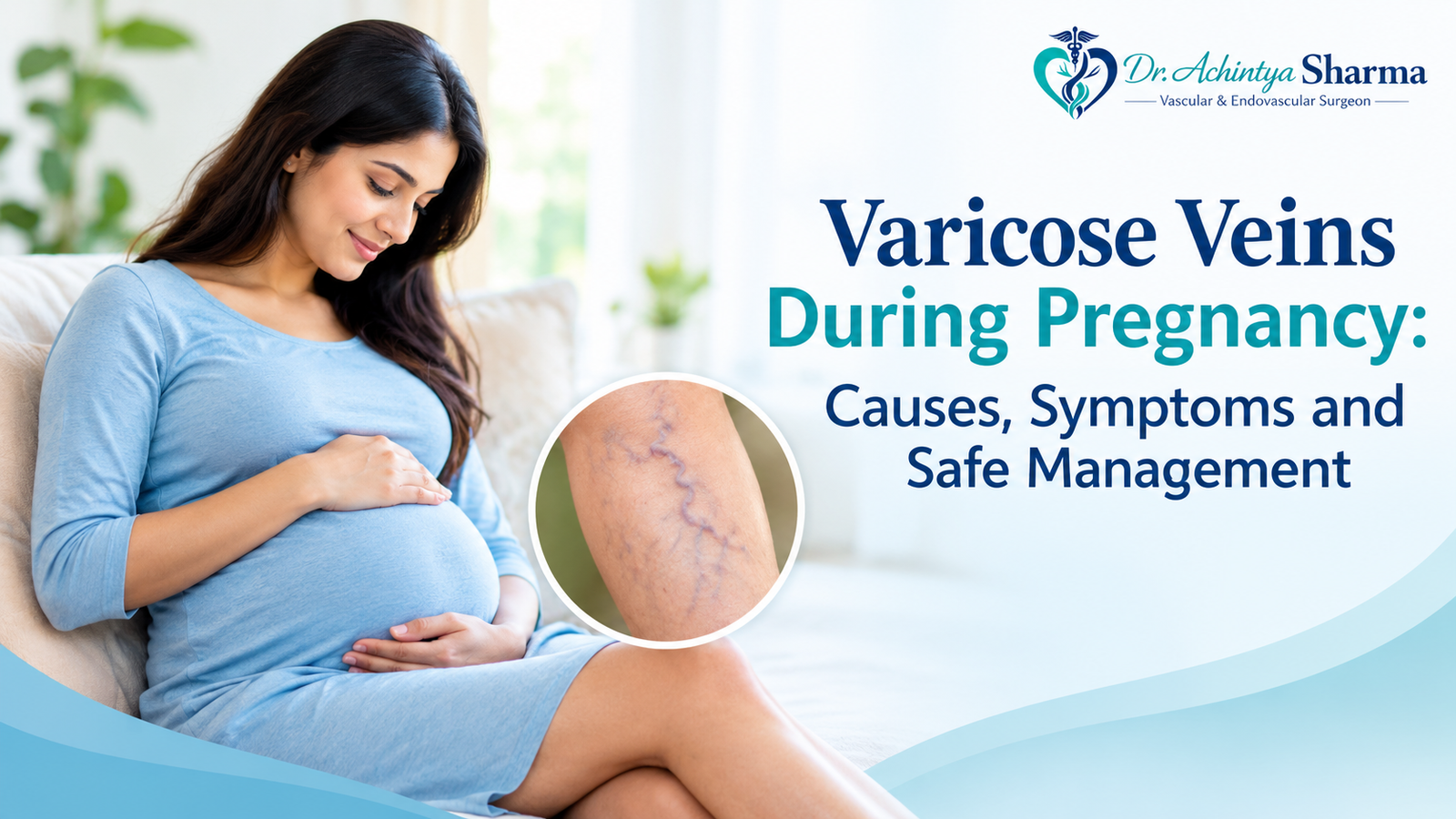
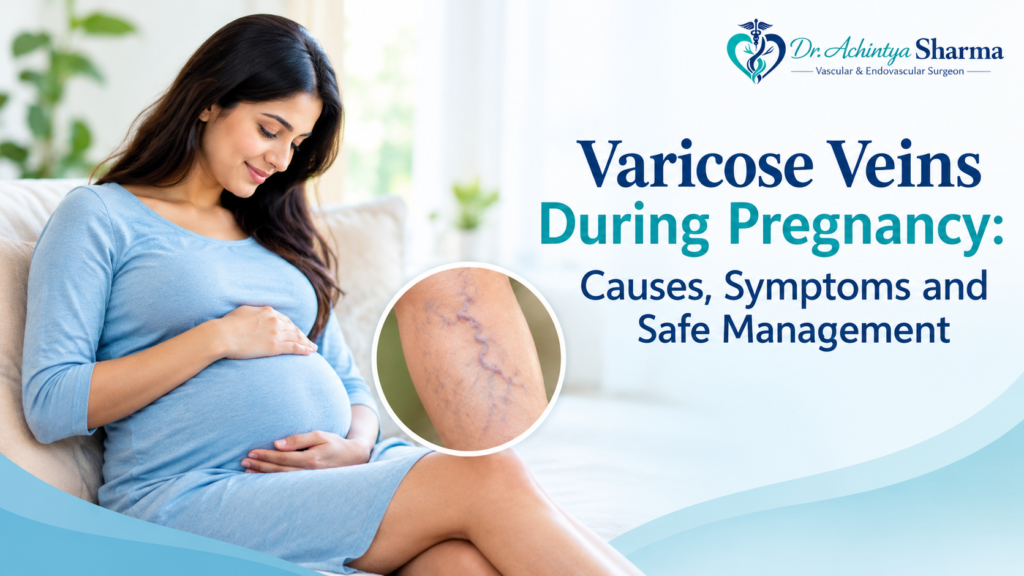
Varicose Veins During Pregnancy are enlarged, twisted veins that commonly develop in the legs and sometimes around the vulva. Varicose veins during pregnancy can occur because hormonal changes, increased blood volume and pressure from the growing uterus affect circulation. These veins may cause aching, heaviness, itching or swelling, although many improve after childbirth. Understanding the causes of varicose veins during pregnancy can help expectant mothers recognise symptoms, manage discomfort safely and know when to seek medical advice.
Varicose Veins During Pregnancy: Quick Answers
| Question | Quick answer |
| Who is affected? | Pregnant women, especially those with a family history of vein problems |
| Common locations | Legs, calves and sometimes the vulvar area |
| When do they appear? | At different stages of pregnancy |
| Treatment approach | Symptom management and medical assessment |
| Pricing consideration | Consultation costs depend on the provider |
| Ongoing care | Movement, leg elevation and suitable compression |
| Alternatives | Pregnancy-safe conservative care |
| How to start | Discuss symptoms with your obstetrician |
Why Do Varicose Veins Develop During Pregnancy?
Varicose veins develop when the valves inside the veins do not move blood efficiently towards the heart. Blood may collect inside the veins, causing them to enlarge and become visible. During pregnancy, hormonal changes relax vein walls, blood volume increases and the growing uterus places pressure on pelvic veins. These changes can contribute to varicose veins during pregnancy and affect normal blood circulation in the legs.
Although varicose veins during pregnancy are common, new swelling or pain should not always be considered harmless. Blood clots can sometimes cause similar symptoms, so unusual or sudden changes need medical assessment.
Which Women Are More Prone to Varicose Veins During Pregnancy?
Women with visible bulging veins, persistent aching, heaviness or swelling should discuss their symptoms with a healthcare professional. The risk of varicose veins during pregnancy may be higher for women with a family history of vein problems or existing varicose veins.
- First-time mothers: Women experiencing pregnancy for the first time may notice changes in their veins and should know which symptoms require medical attention.
- Women with existing varicose veins: Ask how to manage increased discomfort during pregnancy.
- Women with vulvar varicose veins: Seek advice if swelling becomes painful or uncomfortable.
- Women with sudden leg symptoms: Obtain urgent medical assessment to rule out a blood clot.
Symptoms of Varicose Veins During Pregnancy
Symptoms of varicose veins during pregnancy can vary from mild discomfort to more noticeable swelling. Common signs include:
- Blue or purple veins that look enlarged or twisted.
- Aching, heaviness or tiredness in the legs.
- Swelling around the ankles, especially after standing.
- Itching or discomfort around affected veins.
- Enlarged veins around the vulva in some pregnancies.
Symptoms can become worse after standing for a long time or later in the day. However, sudden swelling in one leg, redness, warmth or pain may indicate deep vein thrombosis (DVT). Chest pain or sudden difficulty breathing requires emergency medical attention.
Safe Ways to Manage Varicose Veins During Pregnancy
Safe management of varicose veins during pregnancy generally focuses on reducing discomfort and supporting circulation. The following measures may help:
- Elevate your legs: Raise your feet while resting to help reduce pressure in the leg veins.
- Keep moving: Take regular walks or perform pregnancy-appropriate exercises if your obstetrician confirms they are suitable.
- Avoid staying in one position: Change position regularly instead of sitting or standing for long periods.
- Consult a healthcare professional about compression stockings: A doctor can determine if compression stockings are suitable and recommend the right size for proper support.
- Follow pregnancy care guidance: Stay hydrated, follow recommended pregnancy weight-gain advice and avoid medicines or herbal remedies without medical guidance.
These measures may ease symptoms of varicose veins during pregnancy, but they cannot guarantee prevention or complete removal of enlarged veins.
Expert Insights: Treatment During and After Pregnancy
Varicose veins during pregnancy often become less noticeable after childbirth as hormonal changes settle and pressure on pelvic veins decreases. For this reason, elective procedures such as laser treatment, radiofrequency ablation and sclerotherapy are generally postponed until after pregnancy. The right timing depends on the individual’s symptoms and clinical assessment.
A healthcare professional may suggest a physical check-up or Doppler ultrasound when symptoms are severe or unusual, or when a blood clot is suspected. This scan helps evaluate blood circulation and detect issues that may require medical treatment. Severe or sudden symptoms should never be ignored while waiting for varicose veins during pregnancy to improve naturally.
How Does Pregnancy-Safe Management Compare With Procedures?
| Factor | Conservative management | Vein procedures |
| Main purpose | Relieve symptoms | Treat selected vein problems |
| During pregnancy | Usually the initial approach | Elective procedures are generally postponed |
| Cost | Depends on consultations and stockings | Depends on the procedure and provider |
| Convenience | Can be followed at home with guidance | Requires specialist assessment |
| Flexibility | Adjusted as pregnancy progresses | Timing depends on medical suitability |
| Expected results | May reduce discomfort and swelling | Can treat affected veins in suitable patients |
| Main limitation | May not remove enlarged veins | Not routinely suitable during pregnancy |
The best way to manage varicose veins during pregnancy depends on the symptoms, medical examination results and stage of pregnancy. Urgent complications require prompt medical assessment rather than routine home management.
When to Seek Medical Advice in Delhi
Consult a healthcare professional if varicose veins during pregnancy cause persistent pain, significant swelling, skin changes or bleeding. Sudden swelling or pain in one leg requires urgent assessment to rule out DVT. Chest pain or sudden breathlessness requires emergency medical help.
If vein-related symptoms continue or cause concern, a vascular specialist can evaluate the condition and recommend suitable next steps. Dr. Achintya Sharma provides vascular consultation services in Delhi, including at Fortis Hospital, Shalimar Bagh, and Tirath Ram Shah Hospital, Civil Lines. Always discuss your pregnancy status before any proposed investigation or procedure.
Best Practices for Better Results
- Inform your obstetrician if you notice new vein symptoms or existing symptoms become worse.
- Walk regularly if your pregnancy care team confirms that exercise is appropriate.
- Elevate your legs when resting and avoid standing for long periods without taking breaks.
- Ask about compression stockings before purchasing or using them.
- Attend follow-up appointments if varicose veins during pregnancy persist after delivery.
- Seek urgent care for possible blood-clot symptoms instead of waiting for a routine appointment.
Frequently Asked Questions
1. Can varicose veins start in the first trimester?
Yes, varicose veins during pregnancy may appear at different stages, including the first trimester. Hormonal changes and increased blood volume contribute to their development. The timing and severity vary between individuals. Discuss new or concerning symptoms with your healthcare professional to determine whether further assessment is needed.
2. Are compression stockings safe during pregnancy?
Compression stockings may help reduce leg discomfort and swelling associated with varicose veins during pregnancy. However, the correct type and fit are important. Ask your obstetrician or healthcare professional whether compression stockings are suitable for you, particularly if you have other circulation problems or unusual symptoms.
3. Can walking help with varicose veins during pregnancy?
Walking may support circulation because the calf muscles help move blood towards the heart. Gentle, pregnancy-appropriate activity may also reduce the time spent sitting or standing still. Follow your obstetrician’s advice about exercise, particularly if your pregnancy has complications or you have been advised to restrict activity.
4. Can varicose veins develop around the vulva during pregnancy?
Yes, some pregnant women develop enlarged veins around the vulva because of increased blood flow and pressure in the pelvic region. Vulvar varicose veins during pregnancy may cause discomfort or swelling. Tell your healthcare professional if you notice these changes, particularly if they become painful or worsen.
5. Is laser treatment for varicose veins recommended during pregnancy?
Elective laser treatment for varicose veins during pregnancy is generally postponed until after childbirth. Doctors usually focus on symptom relief and checking for complications during pregnancy. If you experience severe pain, bleeding or sudden swelling, seek medical assessment rather than waiting until delivery.
6. When should I worry about leg swelling during pregnancy?
Sudden swelling in one leg, particularly when accompanied by pain, redness or warmth, requires urgent medical assessment because it may indicate DVT. Chest pain or sudden difficulty breathing requires emergency medical help. Do not assume these symptoms are simply varicose veins during pregnancy or attempt to diagnose a blood clot at home.
7. Can varicose veins be prevented during pregnancy?
Varicose veins during pregnancy cannot always be prevented because hormonal and circulatory changes are part of pregnancy. Regular movement, leg elevation and avoiding long periods in one position may help manage discomfort. Ask your healthcare professional about compression stockings and other measures appropriate for your circumstances.
8. When should I see a vascular specialist in Delhi?
Consider a vascular consultation if varicose veins during pregnancy cause persistent pain, worsening swelling, skin changes or bleeding. Sudden one-sided swelling or pain requires urgent assessment, while chest pain or breathlessness requires emergency care. A specialist can assess your symptoms and discuss appropriate care based on your pregnancy status.
Conclusion
If you are experiencing leg pain, swelling or visible veins during pregnancy, seeking medical advice can help you understand your symptoms and explore suitable management options. Dr. Achintya Sharma, Vascular and Endovascular Surgeon in Delhi, provides expert evaluation and guidance for vein-related conditions. The recommended approach depends on your symptoms, examination findings and pregnancy status, with the safety of both mother and baby remaining the priority.
If your symptoms persist or become uncomfortable, consider scheduling a consultation to discuss your concerns and receive personalised medical guidance. Do not ignore sudden leg swelling, redness or pain, as these symptoms require urgent assessment.
Book a consultation with Dr. Achintya Sharma to discuss your vein health and appropriate treatment options.