
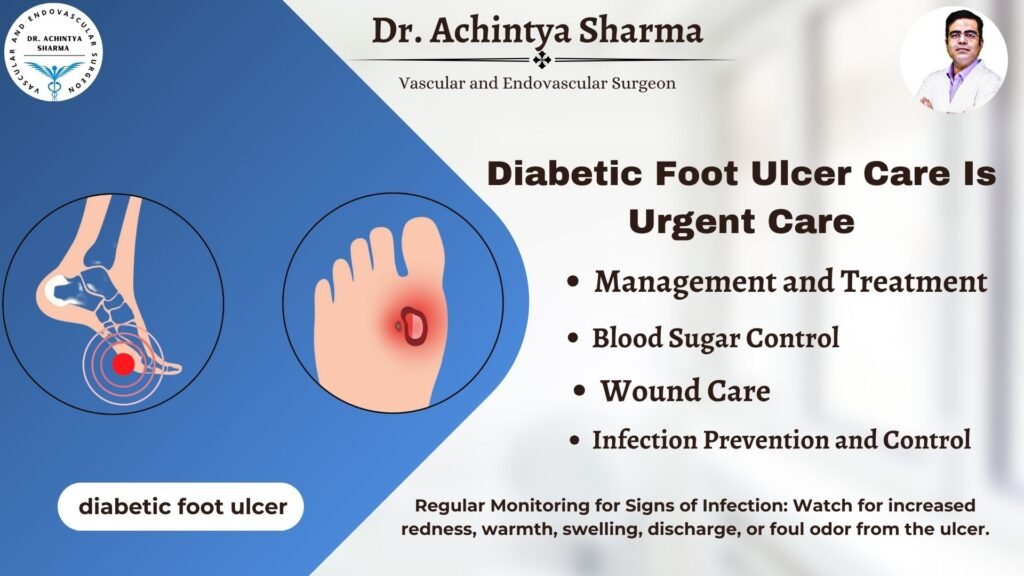
Diabetes can lead to various health issues, one of the most concerning being an early stage diabetic foot ulcer. This condition involves open sores or wounds that often develop on the bottom of the feet. Understanding the signs of an early stage diabetic foot ulcer is crucial for those with diabetes, as early detection can prevent severe complications. Let’s explore the symptoms, care methods, and preventive steps to manage an early stage diabetic foot ulcer effectively.
What is an Early Stage Diabetic Foot Ulcer?

An early stage diabetic foot ulcer is a wound caused by poor blood circulation or nerve damage due to diabetes. These wounds, if not treated promptly, can become infected and lead to serious health problems, such as amputation. Recognizing an early stage diabetic foot ulcer and taking immediate steps for care is essential to avoid these complications.
Signs of an Early Stage Diabetic Foot Ulcer
Identifying the signs of an early stages diabetic foot ulcers early on can help in managing the condition better. Here are the common symptoms to watch for:
- Redness or Swelling: The first sign of an early stage diabetic foot ulcers are often redness around the affected area. You might also notice swelling, which indicates that the skin is irritated or inflamed.
- Drainage or Odor: Another sign of an early stage diabetic foot ulcer’s is the presence of fluid, pus, or an unpleasant odor. These symptoms are a red flag for infection.
- Pain or Tenderness: While some people with diabetes may not feel pain due to nerve damage, others might experience discomfort or tenderness around the ulcer. Even a slight burning sensation should not be ignored.
- Thick Calluses: Diabetic foot ulcers often develop under calluses or thickened skin areas. If you notice a callus, it’s important to check for underlying sores that might indicate an early stage diabetic foot ulcer.
How to Care for an Early-Stage Diabetic Foot Ulcer

Caring for an early stage diabetic foot ulcers involves several steps to promote healing and prevent complications:
1 : Clean the Wound: Gently wash the ulcer with mild soap and water. Avoid using harsh chemicals or alcohol-based products, as they can irritate the skin further.
2 : Apply an Antibiotic Cream: Use a prescribed antibiotic cream to prevent infection and promote healing of the early stage diabetic foot ulcers.
3 : Cover with a Dressing: Keep the ulcer covered with a sterile bandage or dressing to protect it from dirt and bacteria.
4 : Change Dressings Regularly: Regularly changing the dressing keeps the wound clean and dry, which is essential in managing an early stage diabetic foot ulcer’s.
5 : Manage Blood Sugar Levels: High blood sugar can slow down the healing process. Keeping blood sugar levels in check is crucial to healing an early stage diabetic foot ulcer.
6 : Consult a Healthcare Professional: Always seek advice from a healthcare provider to ensure proper treatment and avoid complications.
How to Prevent an Early-Stage Diabetic Foot Ulcer

Preventing an early stage diabetic foot ulcers is better than dealing with the complications later. Here are some effective prevention tips:
- Regular Foot Inspections: Check your feet daily for any cuts, blisters, or signs of an early stage diabetic foot ulcer. Use a mirror or ask someone for help if needed.
- Wear Proper Footwear: Choose shoes that fit well and offer good support. Poorly fitting shoes can cause friction and lead to an early stage diabetic foot ulcer.
- Keep Feet Clean and Moisturized: Wash your feet daily with mild soap and water, and keep them moisturized to prevent cracks that can lead to ulcers.
- Trim Nails Carefully: Trim your toenails straight across to avoid ingrown nails, which can cause infections or ulcers.
- Avoid Walking Barefoot: Always wear shoes to protect your feet from injuries that could develop into an early stage diabetic foot ulcer.
Conclusion
Detecting and caring for an early stage diabetic foot ulcer promptly is essential in preventing complications. By understanding the signs, such as redness, swelling, or drainage, you can act quickly to avoid further problems. Always consult with a healthcare professional if you suspect an early stage diabetic foot ulcers to receive the best treatment. Prevention is key – take the necessary steps today to keep your feet healthy and avoid the development of diabetic foot ulcers.
FAQ’s
1. What is the first sign of an early stage diabetic foot ulcer?
The first sign is usually redness or swelling around the affected area. If you notice these symptoms, it may be an early stage diabetic foot ulcer, and you should consult a healthcare professional immediately.
2. How long does it take for an early stage diabetic foot ulcer‘s to heal?
The healing time depends on its severity and care. An early stage diabetic foot ulcers can heal within weeks, but more severe cases might take longer.
3. Can an early stage diabetic foot ulcer’s heal on its own?
No, an early stage diabetic foot ulcers needs proper care and treatment. Ignoring it can lead to severe complications.
Interesting Fact: Did You Know?
More than 80% of diabetes-related amputations are due to diabetic foot ulcers. Most of these cases can be prevented by recognizing an early stage diabetic foot ulcer and providing timely care.