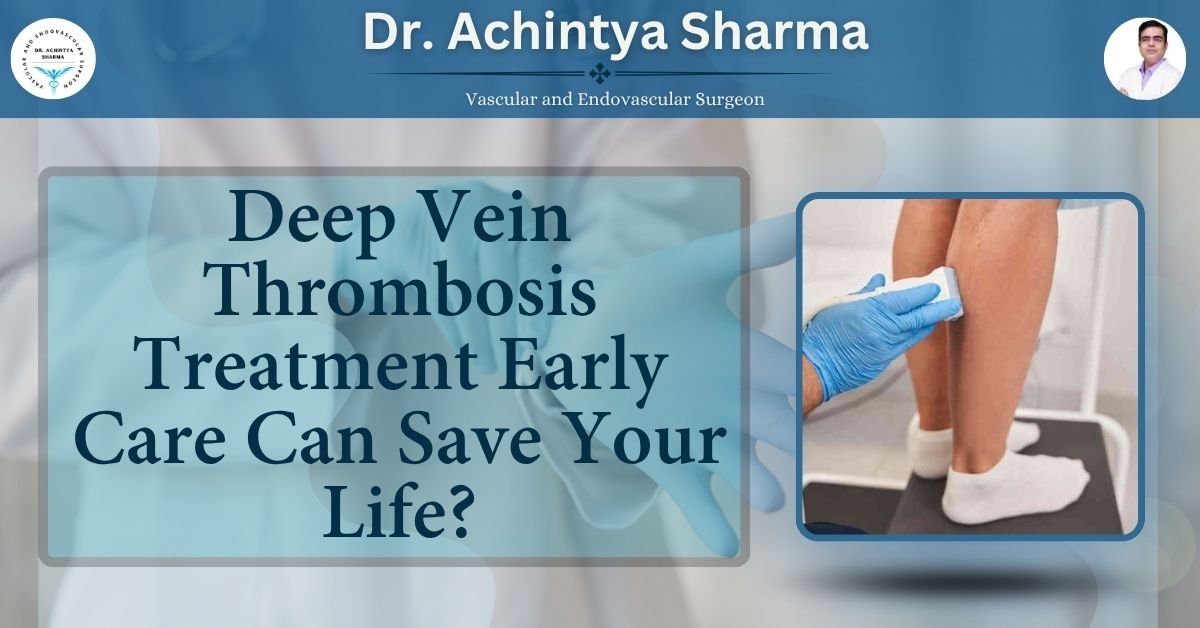
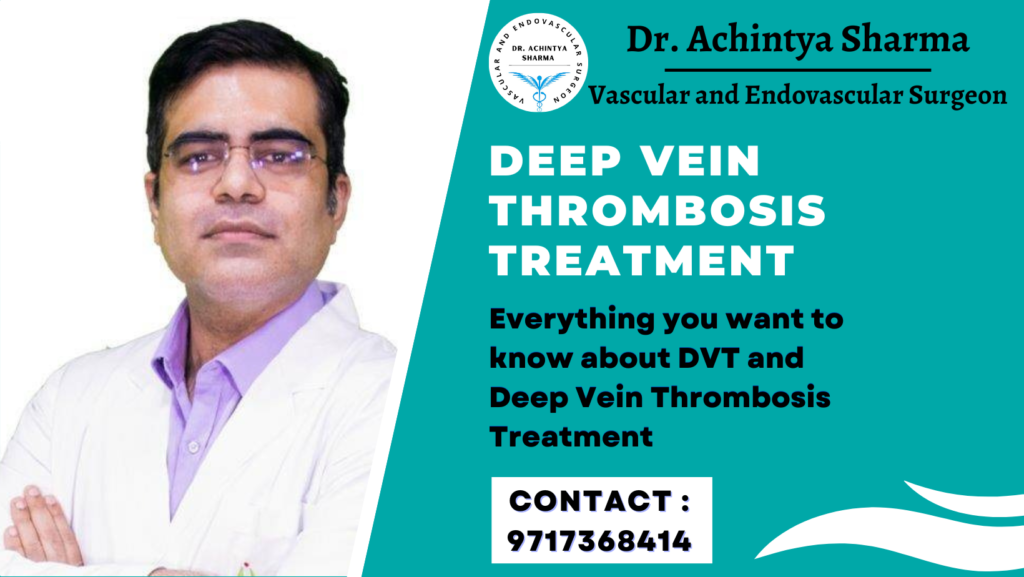
Before getting started with Deep Vein Thrombosis Treatment , you should know more about Deep Vein Thrombosis. DVT is the formation of blood clots in deep vein and most commonly in leg but can also occurs in arms and It can lead to severe blockage in veins of a human body. It is a condition that occurs when a blood clot forms in a deep vein, usually in the leg.
What is Deep Vein Thrombosis, and who can suffer from it?
Deep Vein Thrombosis can cause pain, swelling, and redness in the affected area. It can also lead to severe complications, such as pulmonary embolism (PE), which occurs when the clot breaks free and way to the lungs.
Deep vein thrombosis treatment typically involves taking anticoagulant medication, such as warfarin or heparin, to prevent the clot from getting more significant. In a few, surgery may be required to remove the clot.
Deep vein thrombosis can occur in anyone, but it is more common in people over 60 with a history of DVT or other risk factors, such as obesity or cancer. If you believe you may have DVT, you must see a doctor immediately to start treatment and lower your risk of complications.
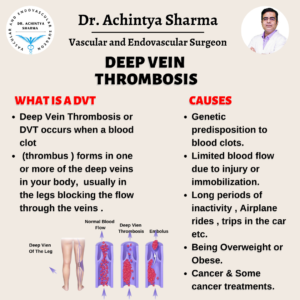
The causes and symptoms of Deep Vein Thrombosis:
Deep vein thrombosis occurs when a thrombus develops in veins deep in your body because your veins are injured or the blood flowing through them is too sluggish. A (DVT) is the formation of a blood clot in a deep vein, most commonly in the leg but it can also occur in the arm. The vein can be either partially or completely blocked which lead to Deep vein thrombosis treatment.
The three most common causes of DVT are immobility, trauma, and cancer. Stiffness is an extended period during which you cannot move your legs or feet. This includes sitting for long periods, such as during a car ride or flight. Trauma refers to any injury or surgery that damages the veins. Cancer can also increase the risk of DVT by damaging the veins or causing inflammation.
There are several symptoms of DVT, although they may not all be present simultaneously. The most common symptom is pain or tenderness in the affected area. You may also feel swelling, warmth, redness, and increased skin sensitivity in the affected area. If you think of any of these symptoms, it is essential to seek medical attention immediately. It is a problematic situation that can be life-threatening if left untreated.
The risk and results of Deep Vein Thrombosis Treatment:
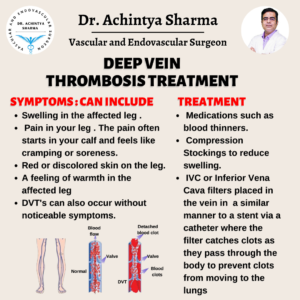
Deep Vein Thrombosis is a blood clot in a vein located deep within your body, usually in your leg. Get treatment right away so you can prevent serious complications. Your body may naturally dissolve a clot, but sometimes clots don’t completely disappear. When they don’t, they usually shrink and become little “scars” inside your veins.
The risks of DVT treatment include bleeding and bruising. More serious risks, such as stroke or heart attack, are rare. Deep vein thrombosis treatment is usually successful in preventing complications from DVT.
Conclusion:
If not treated on time DVT can result in a lethal condition for the patient. If you are looking for ‘Treatment for Deep Vein Thrombosis’ you can contact Dr. Achintya Sharma in Delhi who has great experience in his field.