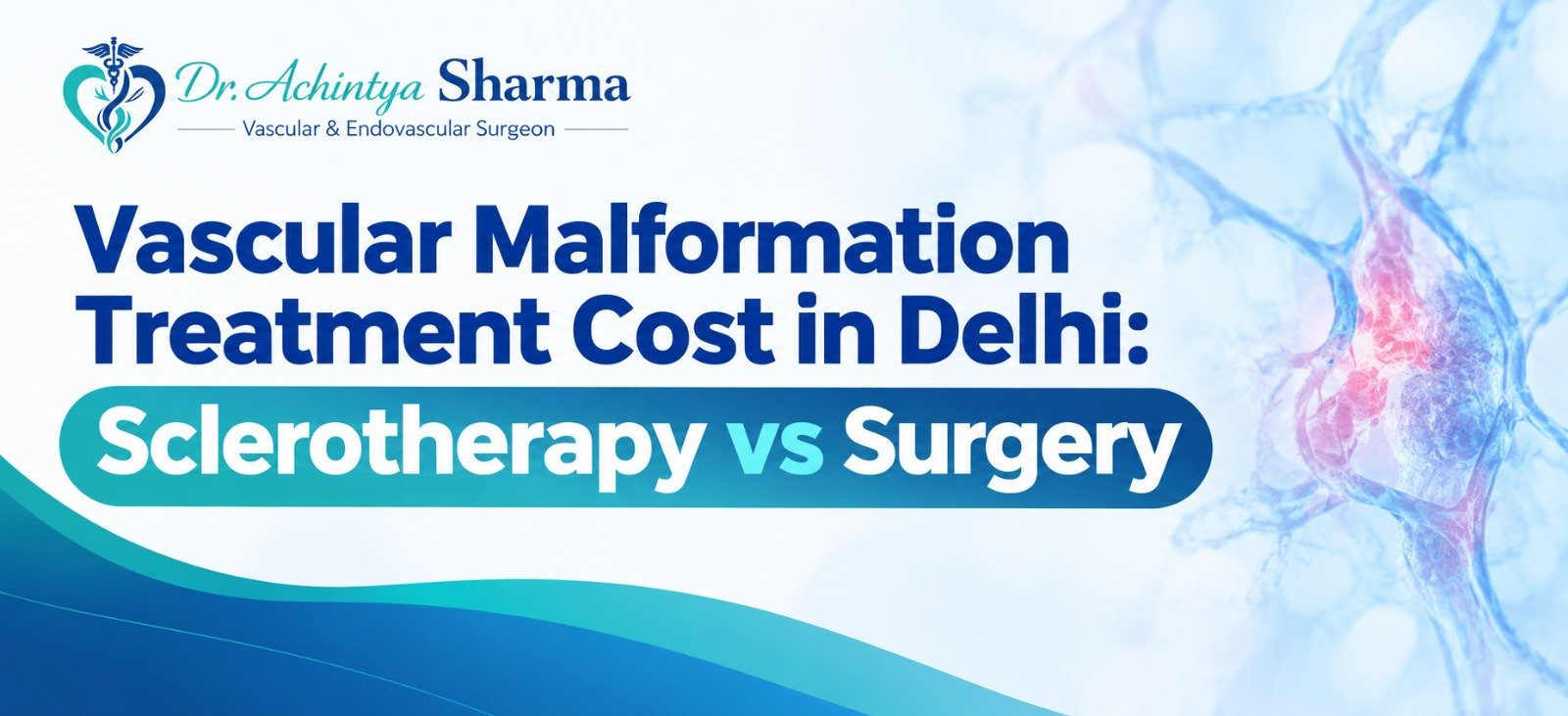
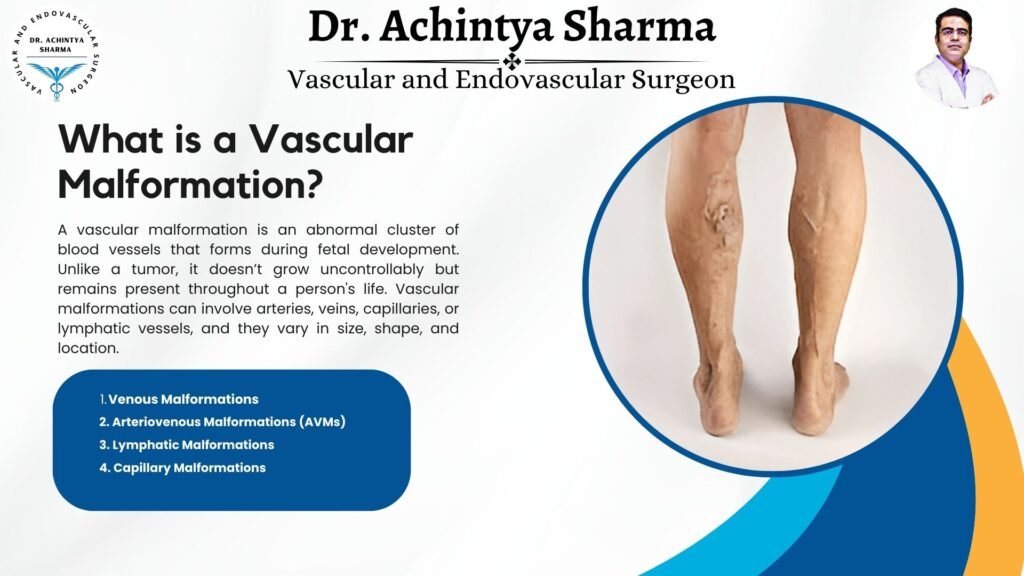
A vascular malformation is an abnormal growth or development of blood vessels, which can occur anywhere in the body. These malformations are often congenital, meaning they are present from birth, and they can affect veins, arteries, or lymphatic vessels. While most vascular malformations are benign, some can cause significant complications depending on their type, location, and size. In this blog, we’ll explore the causes, symptoms, and treatments associated with vascular malformations.
What is a Vascular Malformations?
Vascular malformations occur when blood vessels develop abnormally, resulting in a network
of improperly formed blood vessels. These malformations can involve veins, arteries, or lymphatic vessels, and they may cause various health issues depending on where they are located in the body. Unlike hemangiomas, which may shrink over time, malformations are usually lifelong conditions that require ongoing management.
Types of Vascular Malformations
Vascular malformations can be classified into several types, each with distinct characteristics and potential complications. Some of the most common types include:
- Venous Malformations
- Venous malformations are the most common type of vascular malformation. These occur when veins do not develop properly, leading to blood pooling in the veins. While venous malformations are often painless, they can cause swelling and discomfort if they grow in size.
- Arteriovenous Malformations (AVMs)
- Arteriovenous malformations (AVMs) are serious conditions where arteries and veins become abnormally connected, bypassing the capillary network. This can cause high-pressure blood flow to the veins, increasing the risk of bleeding, strokes, or even heart failure if left untreated.
- Lymphatic Malformations
- Lymphatic malformations are abnormal growths in the lymphatic vessels. These malformations can lead to fluid accumulation and swelling in various parts of the body, such as the neck or armpits. While usually not life-threatening, lymphatic malformations can cause significant discomfort.
- Capillary Malformations
- Capillary malformations, also known as port-wine stains, are characterized by a cluster of dilated capillaries under the skin. These malformations are often visible as red or purple patches, commonly found on the face or neck. They are typically harmless but can be a source of cosmetic concern.
Causes of Vascular Malformations
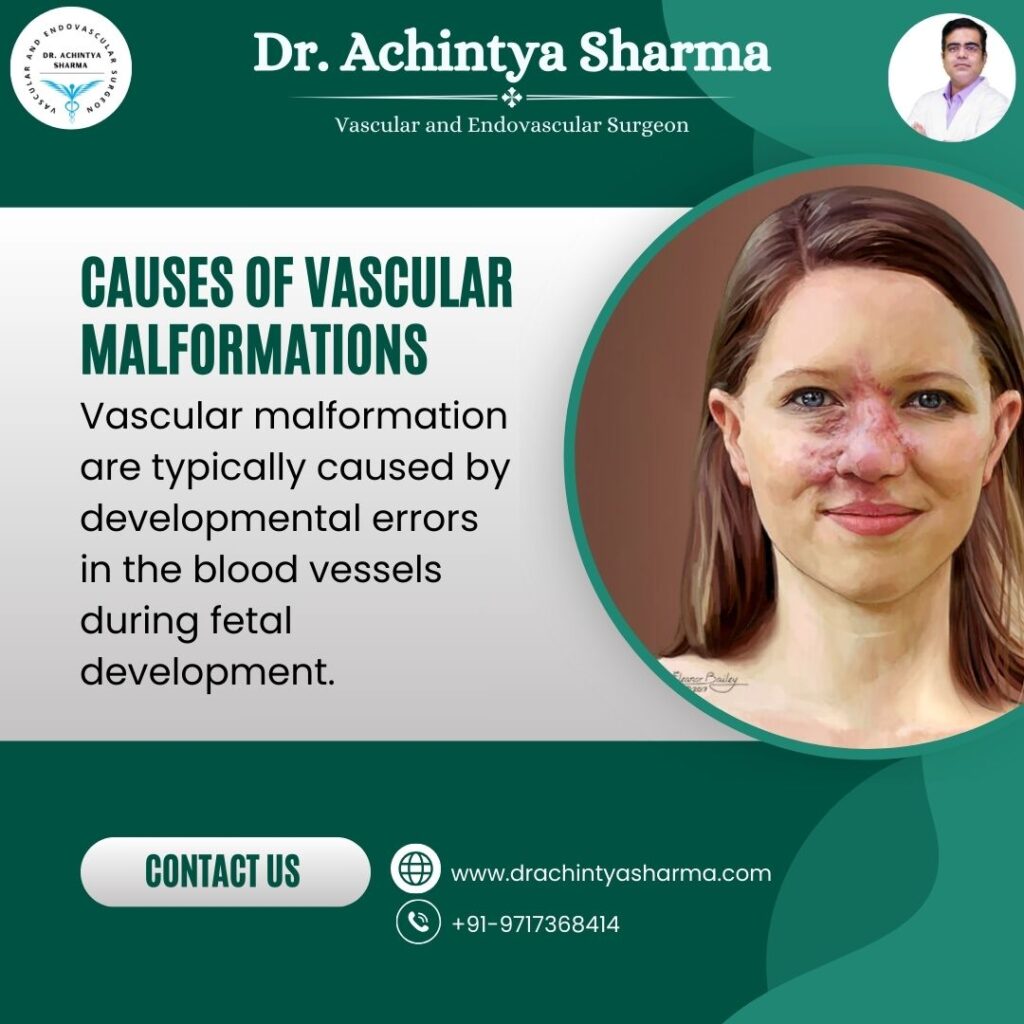
Vascular malformation are typically caused by developmental errors in the blood vessels during fetal development. These errors can be due to genetic mutations or other factors that affect the normal formation of blood vessels. In some cases, vascular malformations may be inherited, and certain genetic syndromes are associated with these conditions, such as:
- Klippel-Trenaunay Syndrome: This syndrome leads to both venous and lymphatic vascular malformations and often results in abnormal limb growth.
- Sturge-Weber Syndrome: This condition affects the brain and skin, causing vascular malformations that can result in neurological problems.
- Hereditary Hemorrhagic Telangiectasia (HHT): A genetic disorder that causes arteriovenous malformations in various organs, including the lungs and brain.
Symptoms of Vascular Malformations
The symptoms of a vascular malformation depend on its location, size, and type. Common symptoms include:
- Visible Changes in Skin: For example, capillary malformations like port-wine stains cause noticeable red or purple patches on the skin, usually on the face.
- Swelling and Pain: Venous malformations can cause swelling in the affected area, which may lead to discomfort or pain.
- Neurological Symptoms: When a vascular malformation occurs in the brain, it can cause headaches, seizures, or other neurological issues.
- Breathing and Swallowing Difficulties: Lymphatic malformations, especially those affecting the neck, can cause difficulty in breathing or swallowing.
Diagnosing Vascular Malformations
To diagnose a vascular malformation, doctors typically conduct a physical examination and may use various imaging techniques to confirm the condition. Some common diagnostic tools include:
- Ultrasound: This is useful for visualizing venous or lymphatic malformations and understanding the blood flow in the affected vessels.
- MRI or CT Scans: These imaging tests provide detailed pictures of the vascular malformation, helping doctors assess its size, location, and impact on surrounding tissues.
- Angiography: This technique involves injecting a contrast dye to make the blood vessels more visible, which is especially useful for diagnosing arteriovenous malformations.
Treatment Options for Vascular Malformations
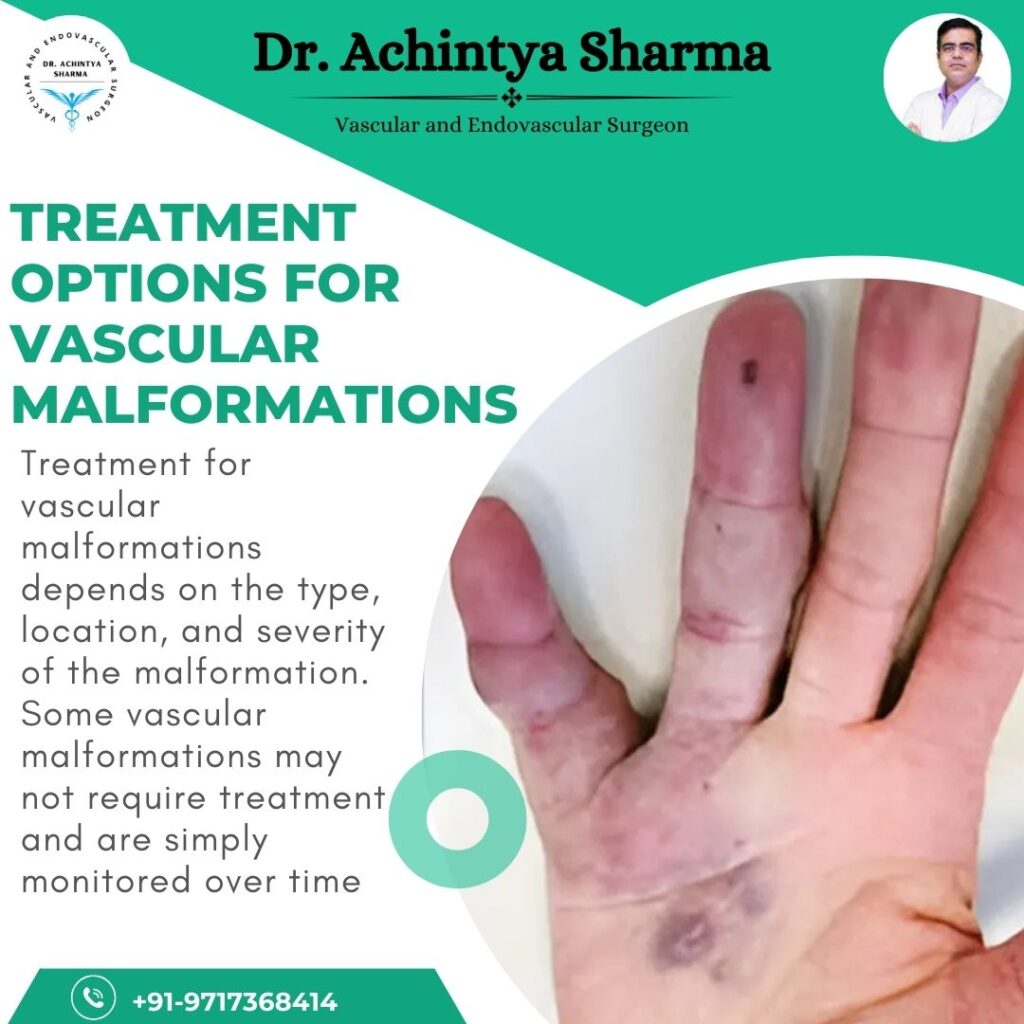
Treatment for vascular malformations depends on the type, location, and severity of the malformation. Some vascular malformations may not require treatment and are simply monitored over time. However, in cases where the malformation causes pain, swelling, or other complications, medical intervention may be necessary. Treatment options include:
- Observation and Monitoring: In cases where the vascular malformation is small and not causing any symptoms, doctors may recommend simply monitoring it over time.
- Sclerotherapy: This treatment involves injecting a sclerosing agent into the affected blood vessels to shrink or close them. It is often used for venous and lymphatic malformations.
- Laser Therapy: Laser treatments can help reduce the appearance of capillary malformations, especially port-wine stains, and improve the cosmetic appearance of the skin.
- Surgical Intervention: In more severe cases, surgery may be required to remove or reduce the size of the vascular malformation.
- Embolization: This procedure is used to block abnormal blood vessels, particularly in the case of arteriovenous malformations.
Conclusion
Vascular malformations are conditions that affect the normal development of blood vessels and can range from benign cosmetic concerns to more serious medical conditions. Early diagnosis and appropriate treatment are essential to managing vascular malformation and preventing complications. If you suspect that you may have a vascular malformation, consult with a healthcare professional for an accurate diagnosis and to discuss the best course of action for treatment.