
Your blood vessels are your body’s hidden lifelines. They carry oxygen and nutrients to every organ, keeping your body strong and active. When these vessels become narrowed or blocked, it can cause serious problems known as vascular diseases. These conditions affect your arteries, veins, and capillaries — disrupting blood flow and damaging vital organs. In this blog, Dr Achintya Sharma, a leading vascular specialist, explains the types of vascular disease and how they affect your health. Understanding these conditions can help you identify symptoms early, seek the right treatment, and protect your overall well-being.
Why Vascular Health Matters
Many people ignore early warning signs of poor circulation — like leg pain, numbness, or swelling — thinking they’re harmless. But these could be the first signs of vascular disease. Damaged blood vessels don’t just affect your legs; they can impact your heart, brain, and kidneys too. Ignoring them increases your risk of stroke, heart attack, or even limb loss. Paying attention to vascular health today helps prevent major complications tomorrow.
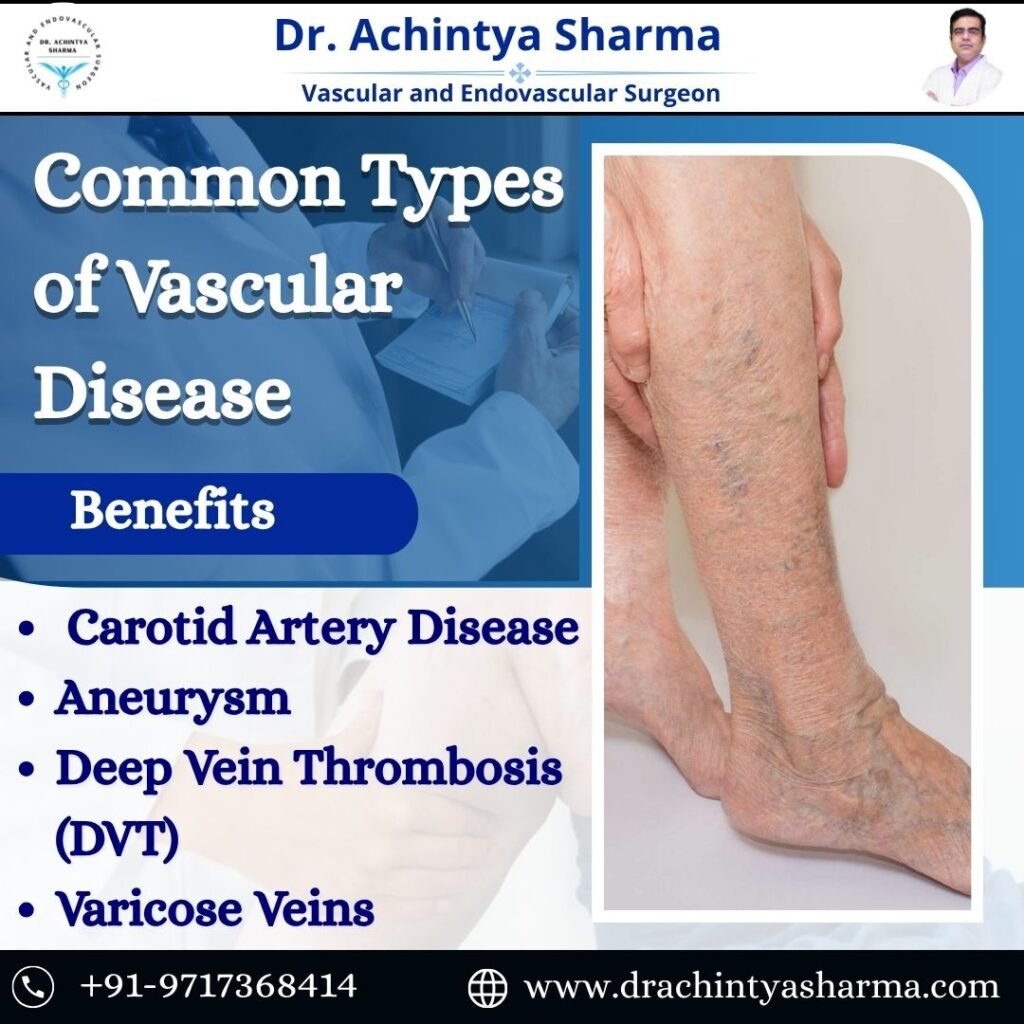
Common Types of Vascular Disease
Let’s explore the most common types of vascular disease and how they affect your health.
1. Peripheral Artery Disease (PAD)
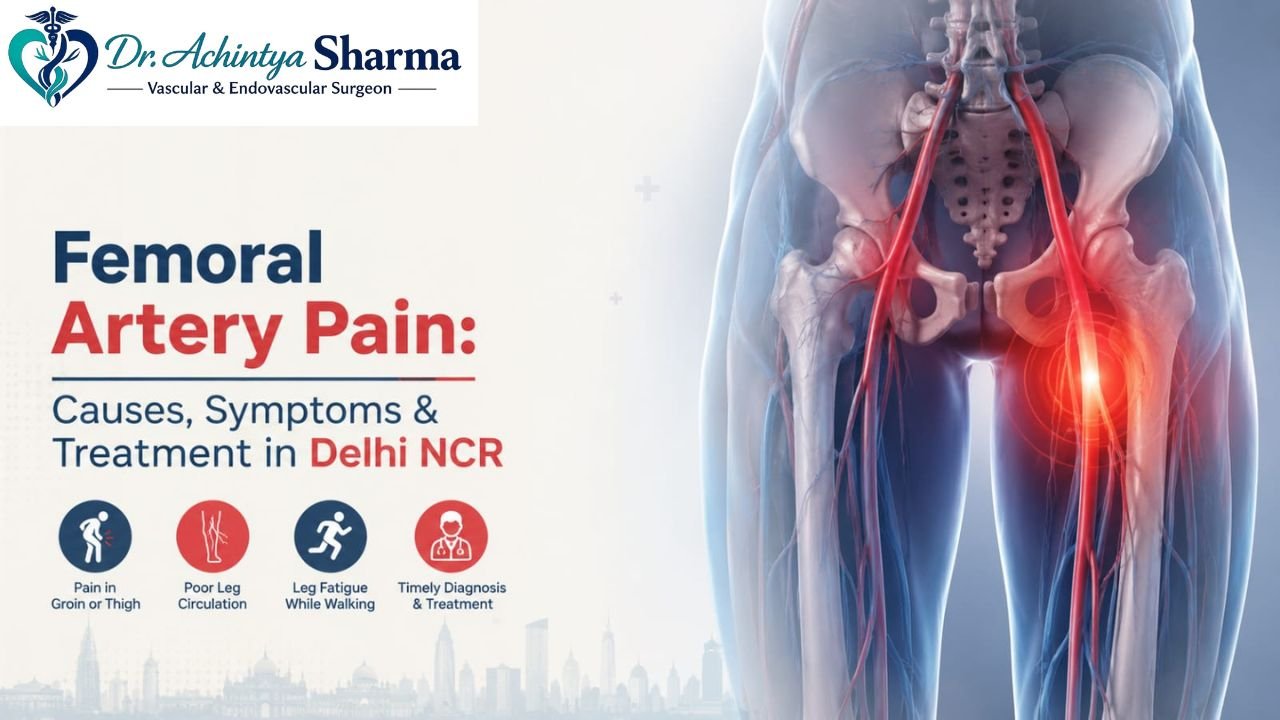
PAD happens when fatty deposits (plaque) build up in the arteries that supply blood to your limbs. This reduces blood flow and causes leg pain while walking. Left untreated, PAD can lead to ulcers or tissue death. Regular check-ups and early intervention can prevent severe complications.
2. Varicose Veins
These enlarged, twisted veins commonly develop on the legs and feet. They develop when the valves in the veins stop working efficiently, leading to blood buildup. Varicose veins can lead to aching, heaviness, and swelling. Though often seen as cosmetic, they can signal deeper venous issues.
3. Deep Vein Thrombosis (DVT)
DVT develops when a blood clot forms in the deep veins, usually in the legs. If the clot moves to the lungs, it can lead to a life-threatening pulmonary embolism. Immediate medical attention is vital for anyone showing symptoms like leg pain, warmth, or swelling.
4. Carotid Artery Disease
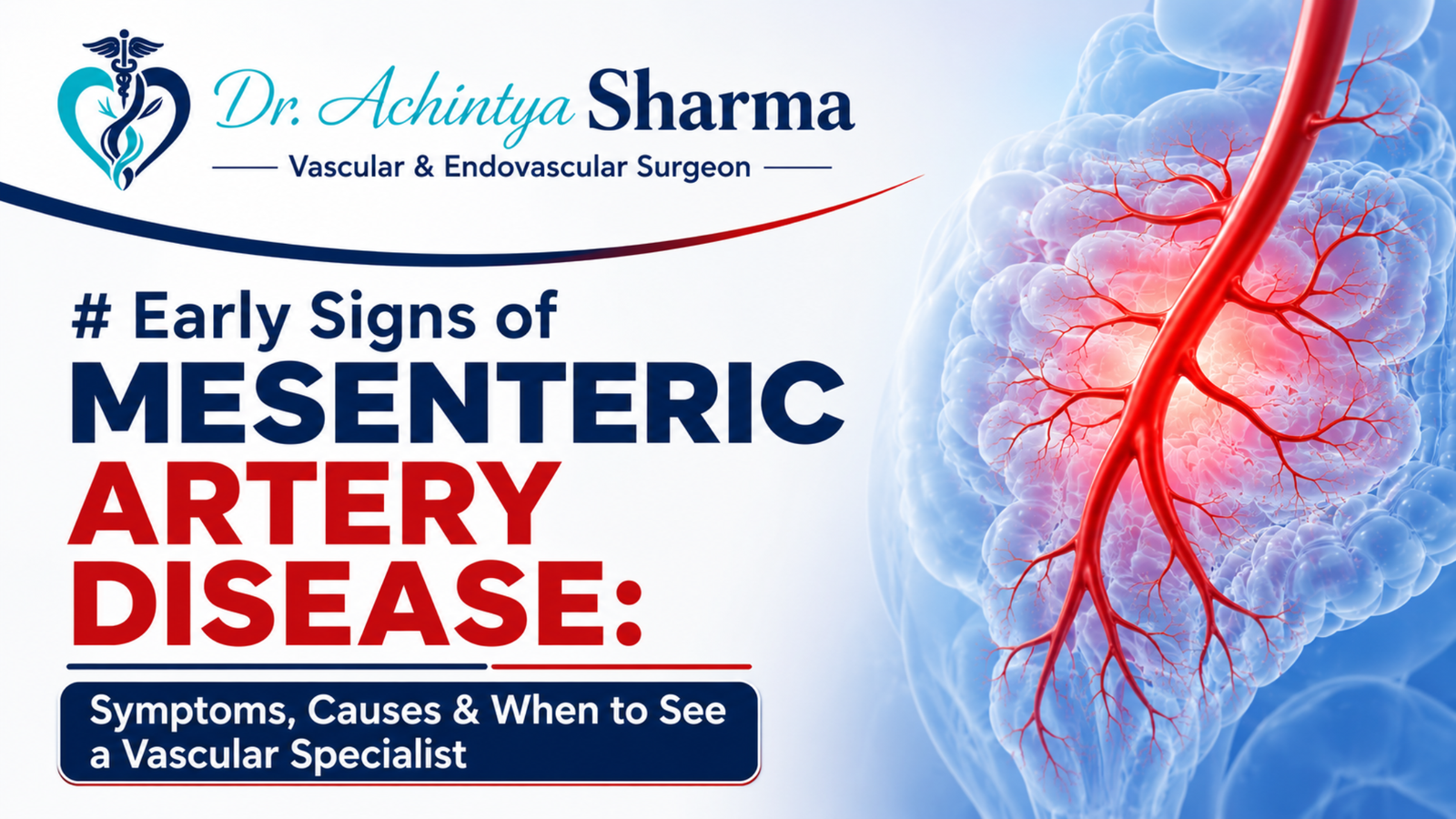
This disease affects the arteries that deliver blood to your brain. Plaque buildup can block these arteries, leading to a stroke. Early screening and treatment can prevent brain damage and save lives.
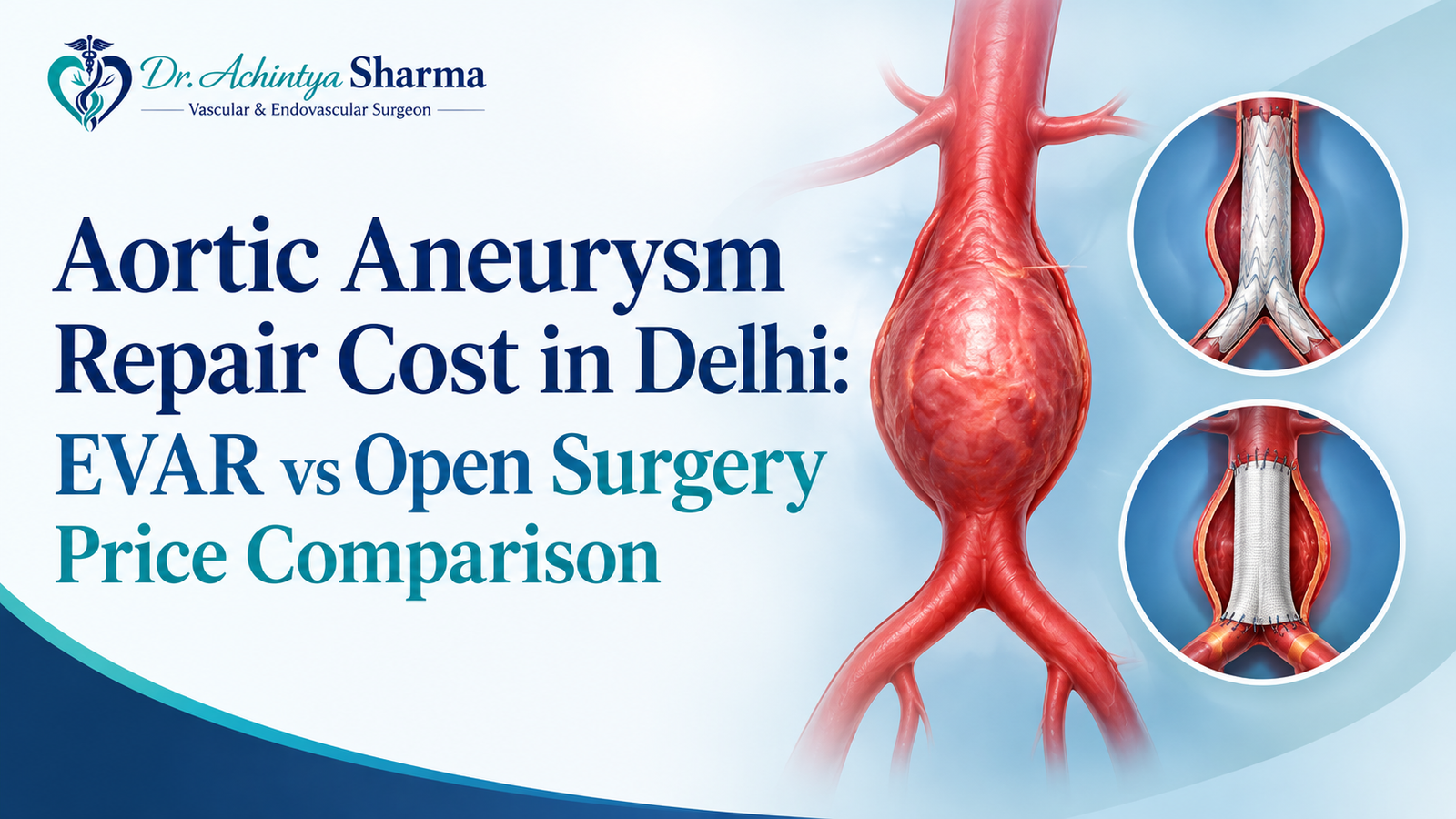
5. Aneurysm
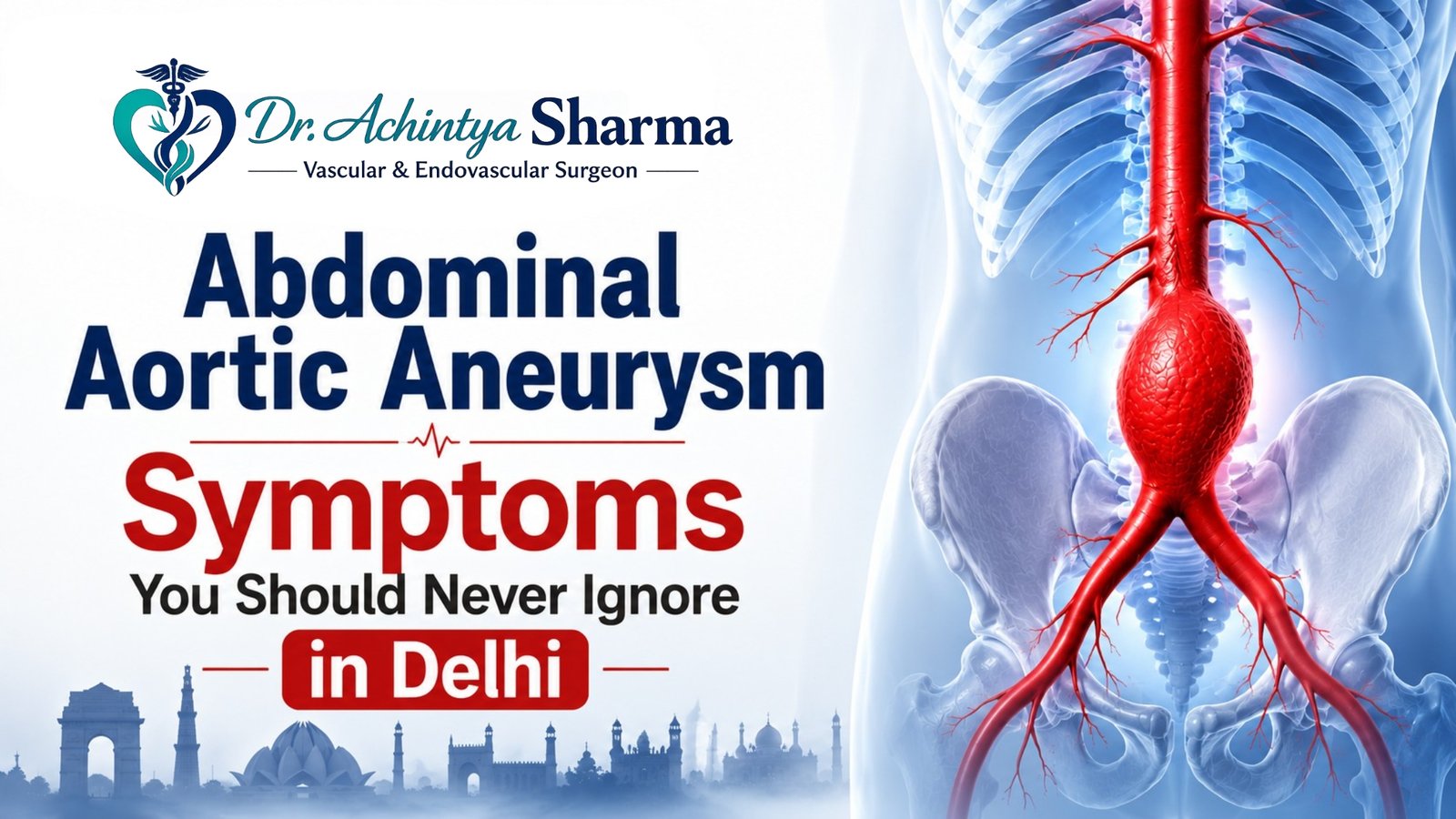
An aneurysm is a weak, bulging area in a blood vessel wall. If it ruptures, it causes sudden internal bleeding — a medical emergency. Detecting aneurysms early through imaging tests can help avoid fatal outcomes.
6. Chronic Venous Insufficiency (CVI)
CVI develops when the veins fail to circulate blood back to the heart effectively. This causes fluid buildup, swelling, and skin discolouration in the legs. Compression therapy and lifestyle modifications can effectively manage this condition.
How These Diseases Impact Your Health
Ignoring vascular diseases can cause serious, long-term damage. Reduced blood flow limits oxygen delivery, which slows healing and increases the risk of infections. Over time, vascular issues can lead to ulcers, kidney problems, or even heart attacks.
According to Dr Achintya Sharma, prevention starts with awareness. Regular exercise, quitting smoking, managing blood pressure, and maintaining a balanced diet all help keep your blood vessels healthy. Staying proactive with routine vascular check-ups can detect issues early and prevent complications.
Take Steps Towards Better Vascular Health
Your body sends warning signals — don’t ignore them. If you experience leg cramps, skin colour changes, numbness, or swelling, it’s time to act. Schedule an appointment with a vascular expert for proper evaluation.
Today’s treatments for vascular diseases are safe and minimally invasive. With expert guidance from Dr Achintya Sharma, patients receive personalised care plans tailored to their condition. From lifestyle management to advanced vascular surgery, the goal is to restore blood flow and improve overall quality of life. Taking early action ensures better outcomes and long-term vascular health.
Conclusion
Your vascular system quietly supports every part of your body — from your brain to your toes. When it’s compromised, your health suffers. Knowing the types of vascular disease and how they affect your health helps you take preventive steps early. With expert advice and modern treatments from Dr Achintya Sharma, managing vascular problems is easier and safer than ever. Regular check-ups, healthy habits, and timely intervention are your best defences. Remember, good circulation equals good health — take care of your blood vessels, and they’ll take care of you.