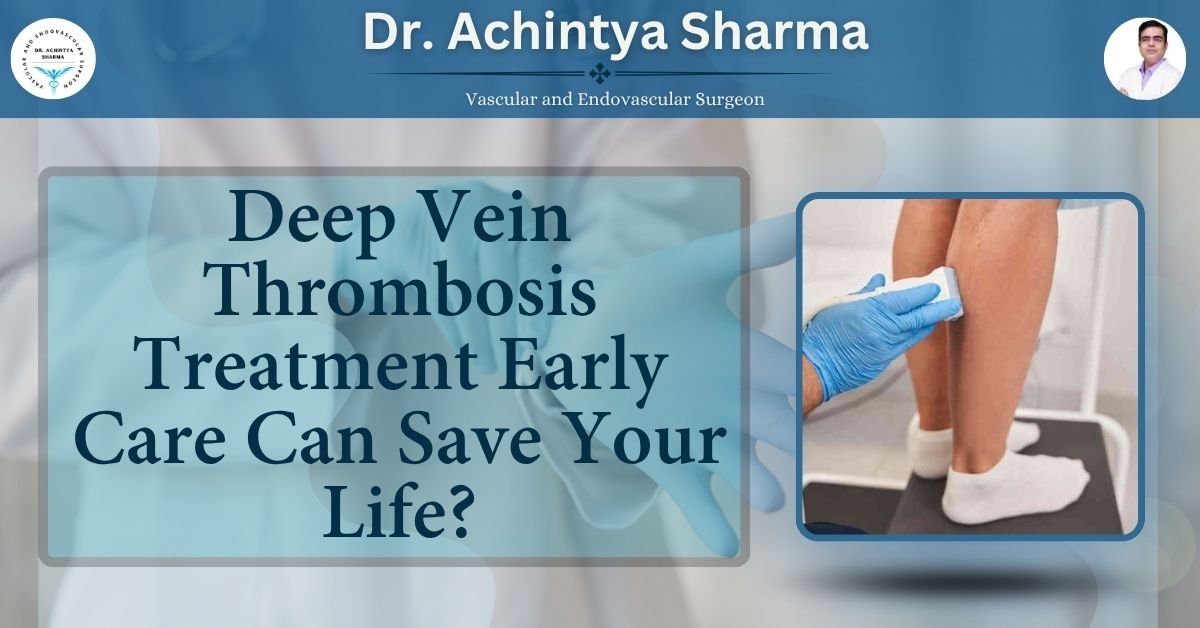
Although winter may seem serene and pleasant, it can subtly exacerbate a number of health issues. Vascular illnesses are among the most affected. In cold conditions, blood arteries contract, reducing blood flow while increasing intravenous and arterial pressure. Winter can induce pain, swelling, numbness, and potentially serious difficulties for people who already have circulation issues. Many people ignore these symptoms because they think they are only seasonal discomforts. According to Dr. Achintya Sharma, winter is a critical season for vascular health and requires extra attention. You can protect yourself before minor symptoms become serious issues by being aware of how cold affects blood vessels.
Why Winter Is Risky for Vascular Health
Your blood vessels constrict in cold weather. The body’s natural reaction to retain heat is this. Nevertheless, the circulatory system is further taxed by this reaction. This strain can exacerbate pre-existing blockages or decrease blood flow to essential organs in individuals with vascular diseases.
Many people also move less in the winter. Inactivity causes circulation to slow even worse. Dehydration causes blood to thicken, increasing the risk of clotting. These alterations may cause leg pain, swelling, skin discolouration, or even unanticipated problems.
Dr Achintya Sharma cautions that diagnosis is frequently delayed in the winter if early symptoms are ignored. An underlying vascular issue may be indicated by what appears to be typical cold-related discomfort.
How Cold Weather Affects Vascular Diseases
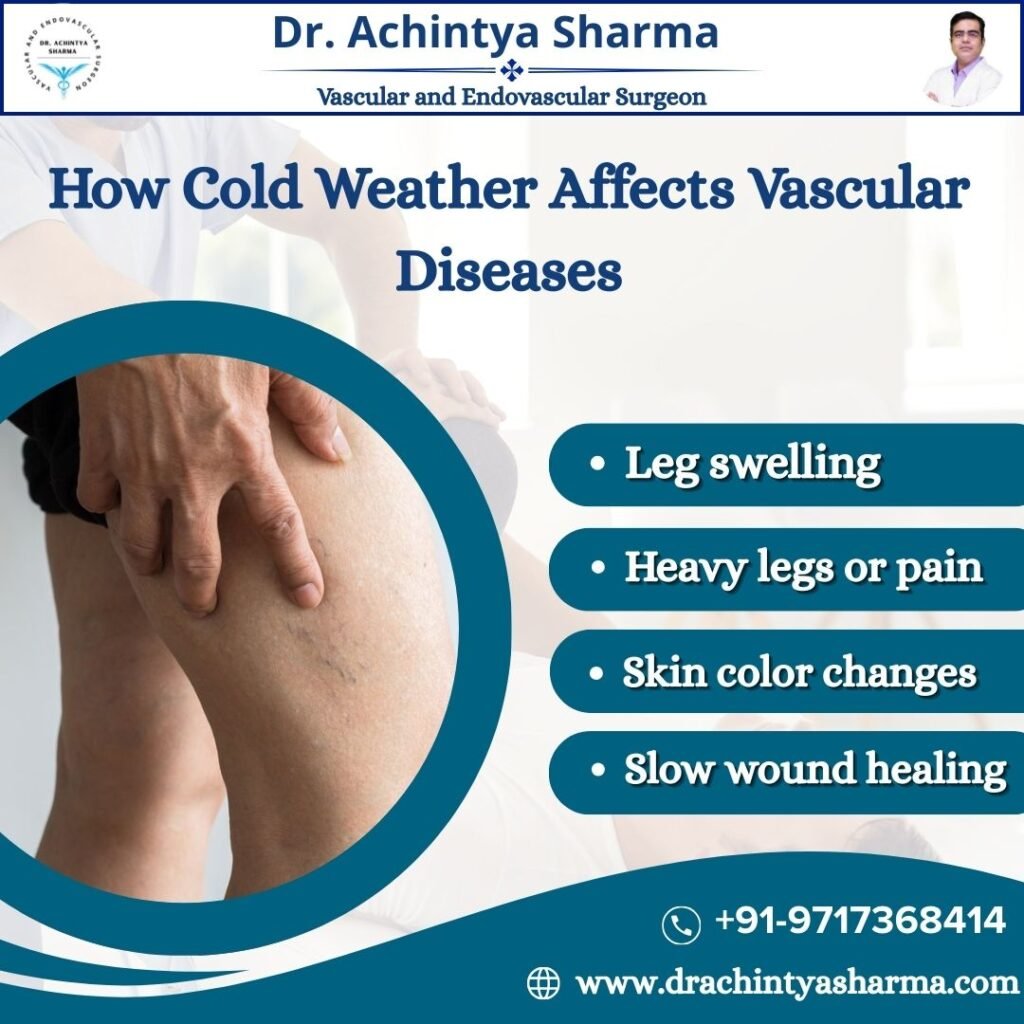
The body is affected by cold weather in a number of ways. Blood vessels constrict. The flow of blood slows. Tissues receive less oxygen. This combination may be dangerous for persons with vascular problems.
Common winter-related vascular issues include:
- Increased leg swelling
- Heaviness or pain while walking
- Numbness or tingling in the feet
- Skin turning pale, bluish, or dark
- Delayed wound healing
Deep vein issues, varicose veins, carotid artery disease, and peripheral artery disease can all be made worse by poor circulation. Dr Achintya Sharma claims that winter
It also conceals symptoms. Cold-induced numbness can disguise pain, leading patients to seek treatment too late. Early detection is critical to avoiding long-term repercussions.
Protect Yourself from Vascular Diseases in Winter:
Proper behaviour and care are effective treatments. Small lifestyle changes in the winter can significantly improve circulation and reduce hazards.
1. Stay Physically Active
Do not let cold weather stop movement. Gentle walking, stretching, or yoga keeps blood flowing and prevents stiffness.
2. Keep Yourself Warm
Cold feet and legs worsen circulation. Wear warm socks, gloves, and layers. Compression stockings can offer added support.
3. Stay Hydrated
Winter dehydration thickens blood. Drink plenty of water even if you don’t feel thirsty.
4. Eat for Vascular Health
Include fruits, vegetables, nuts, and foods rich in antioxidants. These strengthen blood arteries and decrease inflammation.
5. Avoid Long Sitting or Standing
Change positions frequently. Even small movements help reduce pressure on veins.
6. Receive timely medical advice.
Regular check-ups with specialists such as Dr. Achintya Sharma aid in the early detection of deteriorating problems and the prevention of consequences.
Winter does not have to be a harmful time for vascular disease patients when appropriately handled.
Do not ignore the warning signs.
Winter is not the time to postpone care. If you detect swelling, discomfort, skin changes, or numbness, act quickly. Vascular problems develop gradually and can have disastrous consequences if not treated.
A timely diagnosis can save limbs and lives. If your symptoms persist, consult a vascular disease professional. Dr Achintya Sharma emphasises that prompt treatment during the winter decreases hospitalisations and improves long-term results.
Take control of your vascular health now. Small efforts made now can prevent major problems in the future.
FAQs
1. Why do vascular disorders increase in the winter?
Cold temperatures cause blood vessels to constrict, inhibit circulation, and thicken the blood, exacerbating the condition.
2. What are the most prevalent winter symptoms of vascular diseases?
Leg pain, swelling, numbness, skin discolouration, and heaviness are all frequent symptoms.
3. Does winter raise the danger of blood clots?
Yes. During the winter, less mobility and dehydration increase the risk of clotting.
4. When should I visit the doctor?
If symptoms persist or worsen, see a vascular disease expert like Dr Achintya Sharma right away.
5. Can lifestyle adjustments assist in treating vascular diseases in the winter?
Absolutely. Staying active, hydrated, warm, and following medical advice can make a huge impact.
Conclusion
Winter may appear serene, yet it can subtly exacerbate vascular diseases if you are not vigilant. Cold temperatures, limited mobility, and dehydration all strain your circulatory system. If early warning indicators are ignored, disastrous consequences may occur. These dangers can be mitigated by raising awareness, providing prompt care, and promoting healthy practices. Dr Achintya Sharma recommends that preventive and early therapy take precedence over emergency care. Listen to your body this winter. Protect your blood vessels, stay active, and get assistance if necessary. Your vascular health requires attention, especially as temperatures decrease.