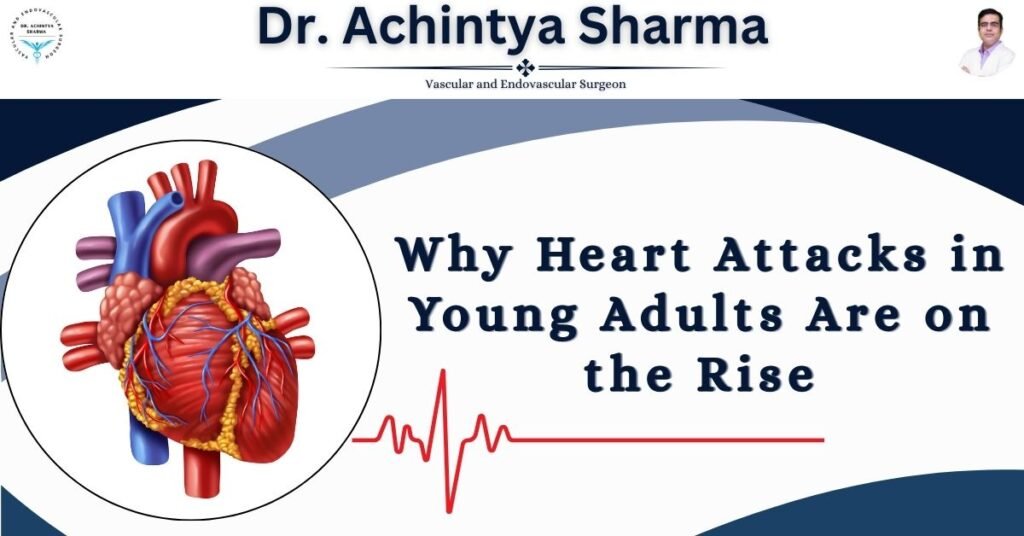
The prevalence of heart attacks in young adults is a health concern that is gaining international attention. Once considered a condition of the elderly, this serious problem is now striking people in their 20s, 30s, and 40s. Many dismiss chest pain, fatigue, or shortness of breath as stress or lifestyle strain, but in reality, these can be early red flags of a bigger health issue. According to vascular and heart experts like Dr.Achintya Sharma, it can be risky to ignore these warning indicators. Understanding the reasons behind this trend is the first step toward protecting your heart and future health.
The Silent Health Issue Among Young Adults
Heart disease has long been a leading cause of death, but today’s alarming rise of heart attacks in young adults makes it a critical health issue. Unlike older adults, young patients often lack obvious symptoms until a sudden, life-threatening event occurs. Sedentary lifestyles, unhealthy diets, and the pressure of modern living are quietly shaping this hidden epidemic.
Why Are Heart Attacks Rising in Young Adults?
Several factors are fueling this growing health issue:
- Unhealthy eating habits – Fast food, processed snacks, and sugary drinks increase cholesterol and blood pressure.
- Sedentary lifestyle – Long hours at desks, excessive screen time, and lack of exercise weaken heart health.
- Stress and restless nights. The cardiovascular system is strained by late-night work cycles and ongoing stress.
- Smoking and alcohol –These behaviours hasten the accumulation of plaque and harm blood vessels.
- Underlying conditions – Diabetes, obesity, and high blood pressure are being diagnosed earlier, raising risks.
Dr. Achintya Sharma points out that many young adults ignore routine check-ups, leading to late detection of underlying problems. This ignorance transforms a manageable health issue into a dangerous one.
How to Protect Yourself from This Health Issue
The good news is that young adults can significantly lower their risk with the right steps. Prevention is always better than a cure. Here’s what you can do:
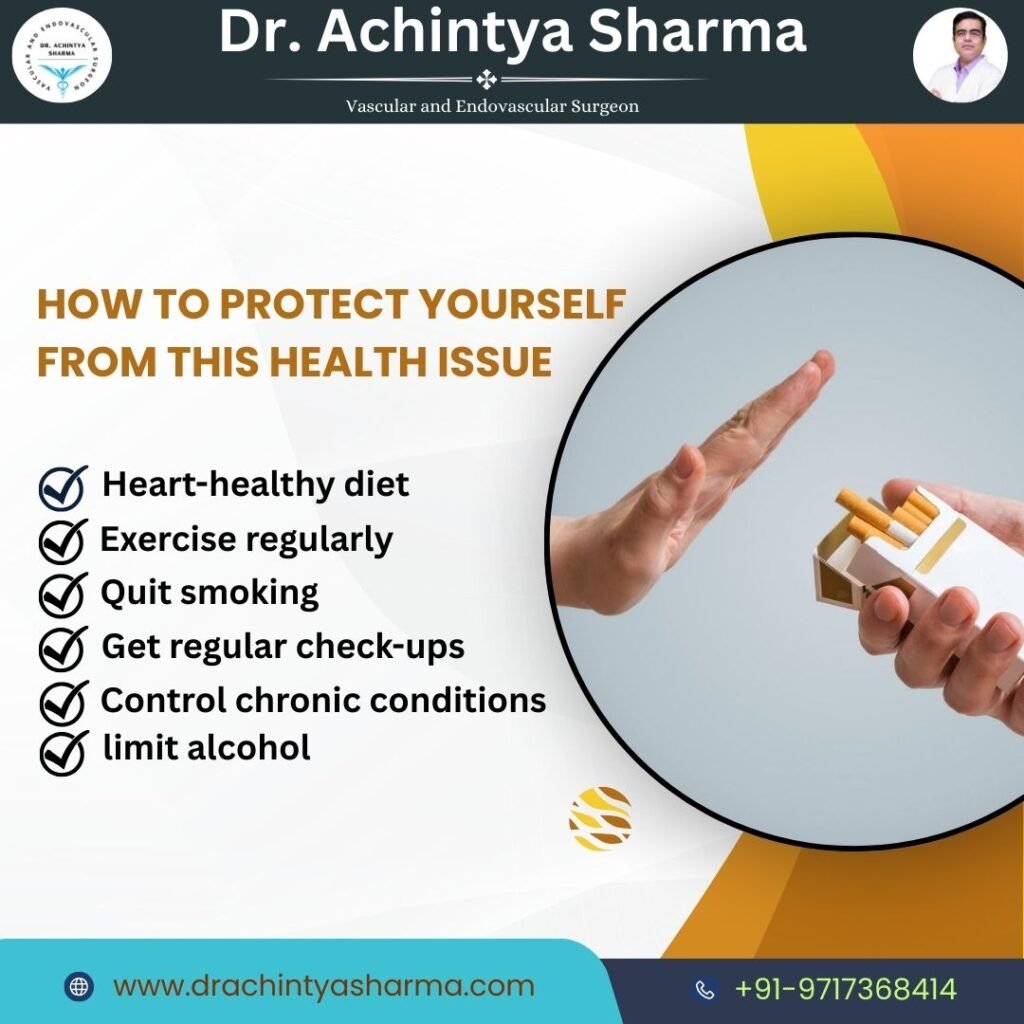
- Adopt a heart-healthy diet: Increase your intake of lean proteins, whole grains, fruits, and veggies.
- Exercise regularly: Even 30 minutes of walking or cycling daily strengthens your heart.
- Quit smoking and limit alcohol: These two lifestyle changes alone reduce risk drastically.
- Manage stress: Practice meditation, yoga, or breathing exercises.
- Get regular check-ups: Screenings can identify early signs before they turn into a severe health issue.
- Control chronic conditions: Keep diabetes, blood pressure, and cholesterol in check.
Following these habits ensures long-term protection and reduces the likelihood of sudden heart problems.
Take Charge of Your Heart Health Now
If you’re a young adult facing risk factors like smoking, obesity, or a family history of heart disease, take action today. Little adjustments to one’s lifestyle might have a big impact. Consult trusted specialists like Dr. Achintya Sharma, who emphasize that awareness and prevention are the strongest shields against this rising health issue. Don’t wait for warning signs — protect your heart while you still can.
FAQs
1. Why are heart attacks becoming increasingly common among young adults?
Unhealthy lifestyles, stress, poor diets, smoking, and untreated health conditions are major contributors.
2. Can a heart attack happen with no symptoms?
Yes. Many young adults may feel only mild discomfort or mistake symptoms for stress.
33. How can I lower my chance of having a heart attack?
Eat a balanced diet, exercise regularly, avoid smoking and alcohol, and manage stress.
4. Are heart attacks genetic?
Family history can increase your risk, but lifestyle choices play a crucial role too.
5. When should I see a doctor?
If you experience chest pain, shortness of breath, or dizziness, see a doctor immediately..
Conclusion
Heart attacks in young adults are no longer rare — they are becoming a serious and widespread health issue. Stress, poor lifestyle habits, and hidden conditions are silently putting lives at risk. By making smarter choices today, you can protect your heart tomorrow. Dr. Achintya Sharma emphasizes that early prevention and lifestyle changes are key in reducing risks. Don’t ignore your body’s signals. Schedule regular check-ups, adopt healthier habits, and take charge of your well-being. Remember, your heart is your engine — keep it strong, and it will carry you toward a healthier, longer, and more fulfilling life.