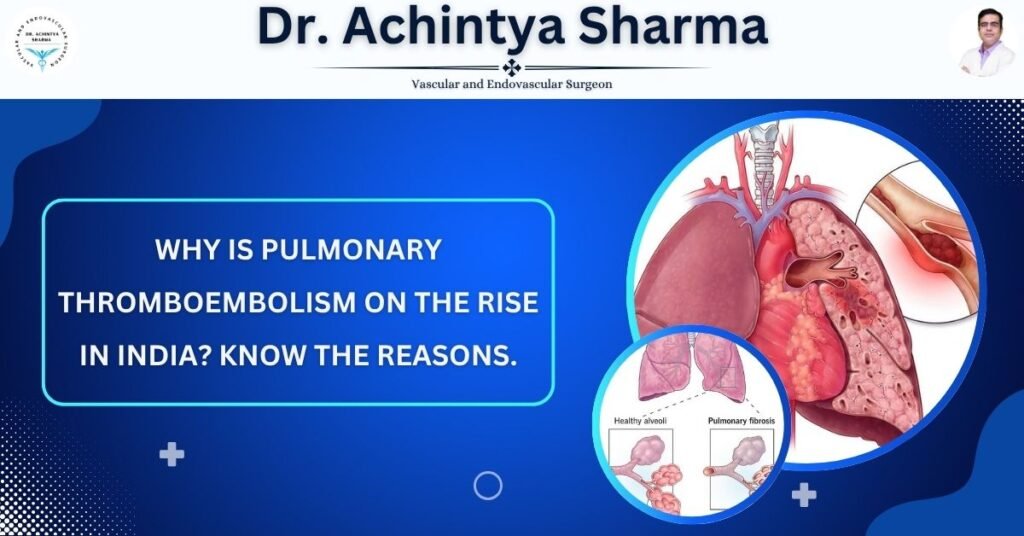
Pulmonary thromboembolism is not just a western problem, it’s a rising threat in India too. Globally, this condition affects over 10 million people every year and leads to hundreds of thousands of deaths. In India, the numbers are climbing fast, especially after surgery, long travel, and in patients with heart disease. Still, awareness remains dangerously low. The formation of a blood clot in your leg and its movement to your lungs may suddenly block blood flow, which is dangerous. This blog, guided by expert insight, explains how it works, its symptoms, treatment, and how you can stay one step ahead.
What Causes Pulmonary Thromboembolism?
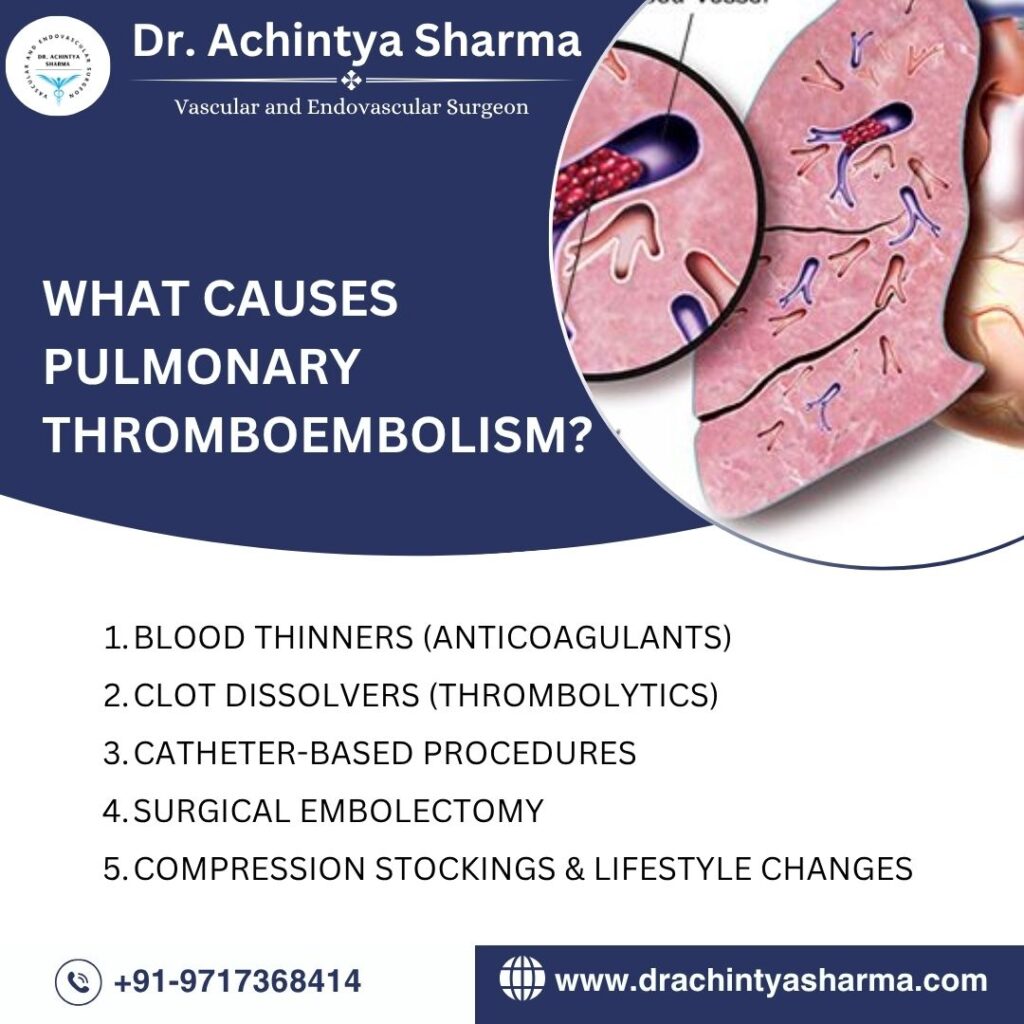
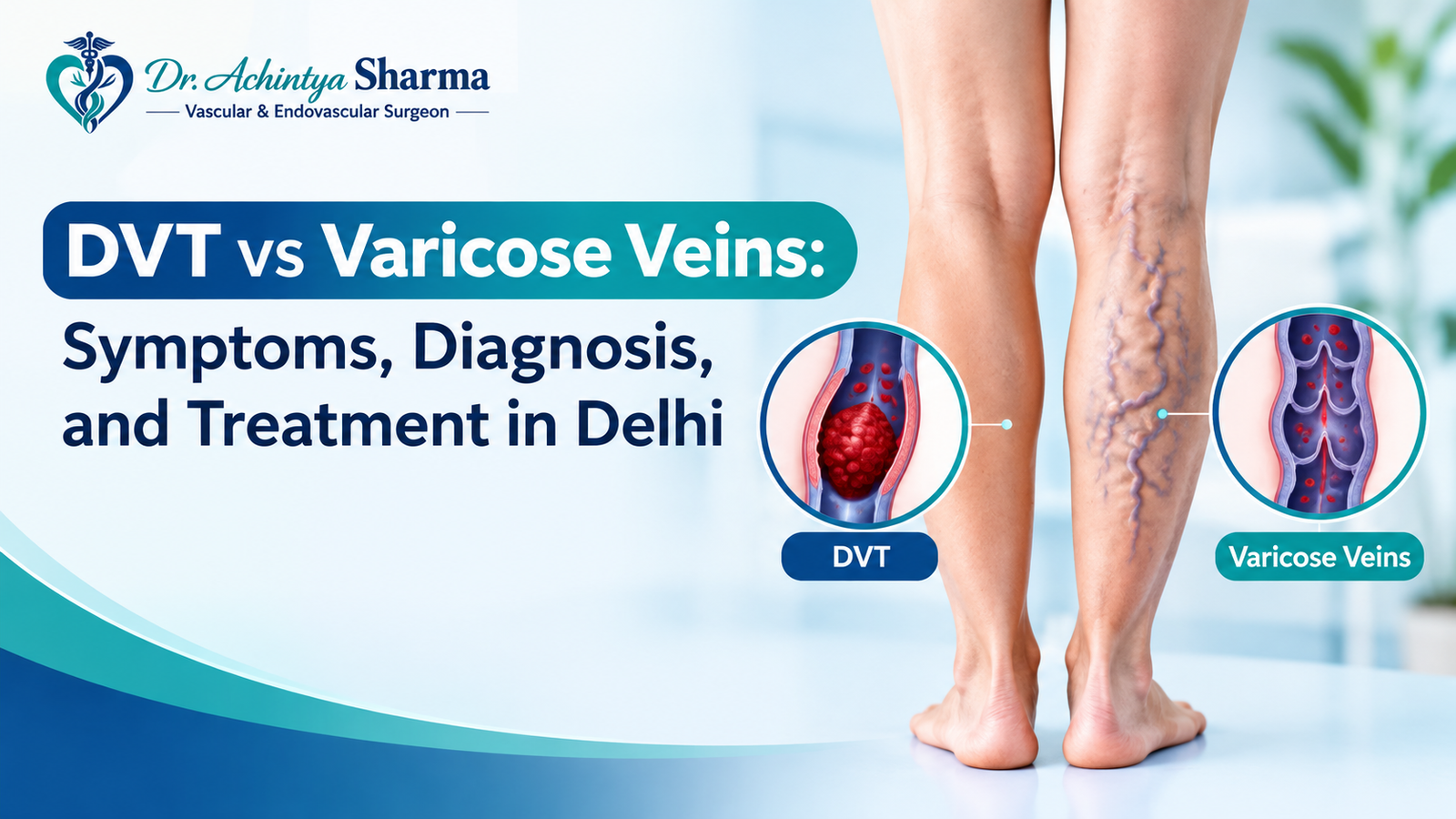
Pulmonary thromboembolism (PE) happens when a blood clot, usually from the deep veins in your legs, travels to your lungs. Some major causes include:
- Prolonged inactivity: Long flights, bed rest, sedentary jobs
- Post-surgery recovery, especially orthopaedic and abdominal surgeries
- Cancer and chemotherapy
- Pregnancy and oral contraceptives
- Smoking and obesity
- Genetic clotting disorders
In India, PE is often underdiagnosed due to overlapping symptoms with heart or respiratory conditions. Doctors believe that late diagnosis is a major reason why many patients don’t get better.
Symptoms: How Does Pulmonary Thromboembolism Present?
Recognizing early symptoms can be life-saving:
- Sudden and unexplained shortness of breath
- Chest pain, especially on deep breathing
- Fast or irregular heartbeat
- Feeling lightheaded or dizzy
- Coughing, sometimes with blood
- Anxiety or a sense of impending doom
These symptoms are often mistaken for heart attacks or panic episodes, delaying proper care. In India, people in rural areas usually don’t know much about this condition, which makes things harder.
Stages of Pulmonary Thromboembolism
PE can be classified into different stages based on severity:
- Mild (Small PE) – May not show obvious symptoms; detected during unrelated scans.
- Moderate (Submassive PE) – Causes low oxygen, chest pain, and breathing issues.
- Severe (Massive PE) – Large artery blockage, can cause shock, heart strain, or sudden death.
- Chronic PE (CTEPH) – Long-term blockage leading to high lung pressure and right heart failure.
According to Doctors, many patients only get diagnosed at a moderate or massive stage, making timely detection critical.
Pulmonary Embolism Treatment Options
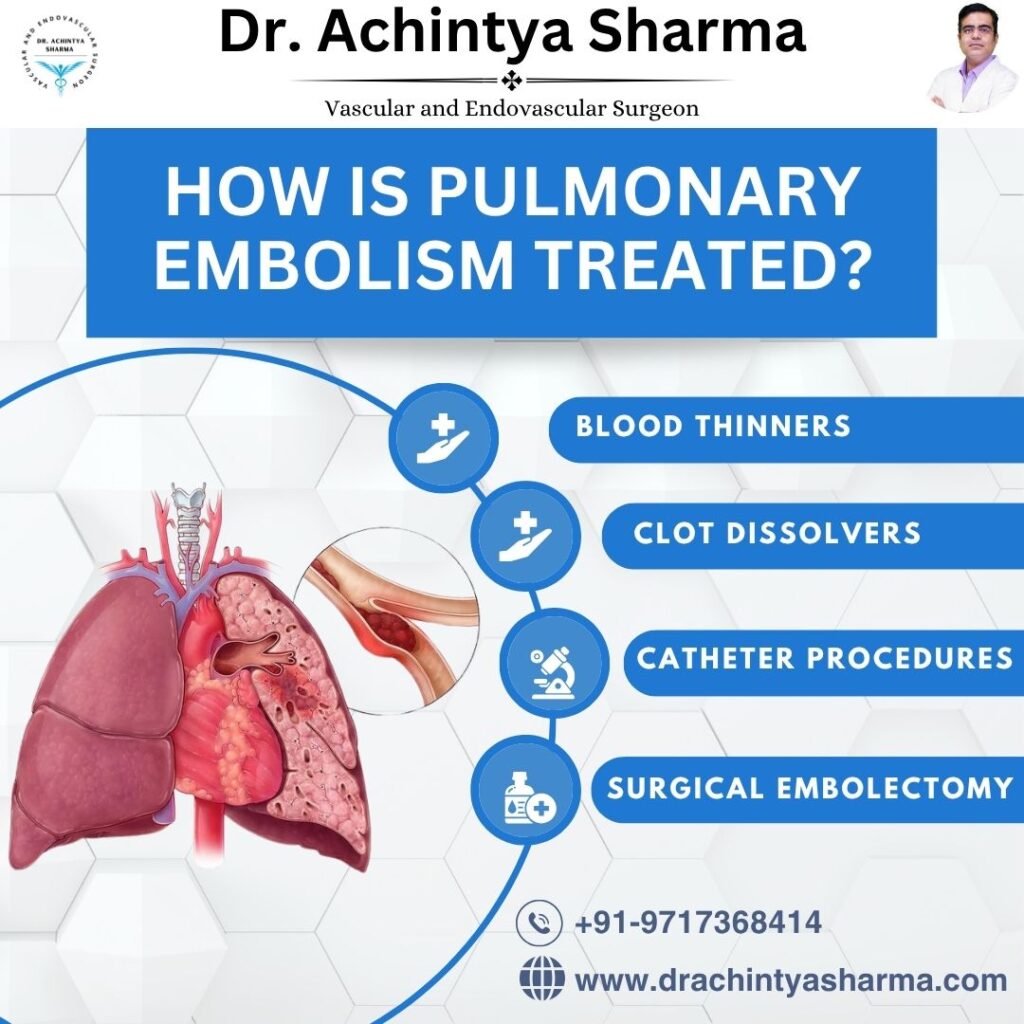
The type of treatment a person needs usually depends on how serious the condition is and their overall health is:
- Blood thinners (anticoagulants) – First-line defense; prevent clot growth
- Clot dissolvers (thrombolytics) – Used in life-threatening cases
- Catheter-based procedures – Break and remove clots directly
- Surgical embolectomy – In rare, high-risk patients
- Compression stockings & lifestyle changes – Help prevent deep vein thrombosis (DVT)
Dr. Achintya Sharma recommends risk assessment after surgeries, especially in older or immobile patients, as a key part of PE prevention in India.
Most Indians Are Still Unaware of Pulmonary Thromboembolism
You could feel breathless, dizzy, or just tired, and think it’s stress. Yet, it could cause a life-threatening clot blocking your lungs’ blood circulation. Pulmonary thromboembolism (PE) is rising fast in India, yet most people don’t even know it exists. Many doctors still confuse it with anxiety or pneumonia. In ICUs, it’s found in 17 out of every 100 patients, according to AIIMS. But without a national registry, the real numbers are hidden. In rural areas, low awareness adds to the danger. Dr. Achintya Sharma says the true threat is silence, because what you don’t know can kill.
Conclusion
Pulmonary thromboembolism is fast becoming a public health concern in India and across the globe. It kills quickly, often silently, but it can be stopped with awareness, early diagnosis, and the right care. Know the causes, spot the symptoms, and talk to experts like Dr. Achintya Sharma if you’re at risk. Whether you’re recovering from surgery, travelling long hours, or have a sedentary lifestyle, your vigilance could save your life. Don’t wait for symptoms to scream. Act early. Stay informed. Stay safe.