A stroke is a life-threatening medical emergency that occurs when blood flow to the brain is disrupted, leading to potential brain damage or even death. Recognizing the types of strokes is crucial for early detection, prevention, and effective treatment. Strokes can have terrible consequences, but timely medical intervention can significantly improve recovery outcomes.
According to the World Health Organization (WHO), strokes are the second leading cause of death globally, responsible for approximately 11% of total deaths. Every year, around 15 million people worldwide suffer a stroke, with nearly 5 million resulting in permanent disability. In India, the burden is equally alarming, with over 1.5 million stroke cases reported annually, making it a major public health concern.
5 Main Types of Strokes:
1. Ischemic Stroke: The Most Common Type
Ischemic strokes account for nearly 87% of all stroke cases, making them the most prevalent among the different types of strokes. This condition occurs when a blood clot blocks or narrows an artery supplying blood to the brain, depriving brain cells of oxygen and nutrients.
Subtypes of Ischemic Stroke:
- Thrombotic Stroke: Occurs when a blood clot (thrombus) forms in one of the brain’s arteries due to fatty deposits (plaque buildup) in the blood vessels.
- Embolic Stroke: Happens when a blood clot or debris forms elsewhere in the body (often the heart) and travels to the brain, blocking a blood vessel.
Symptoms of Ischemic Stroke:
- Sudden numbness or weakness in the face, arm, or leg, typically affecting one side.
- Confusion, trouble speaking, or difficulty understanding speech
- Vision problems in one or both eyes
- Severe headache with no known cause
- Loss of balance or coordination
Treatment:
Immediate treatment with clot-busting drugs (tPA) or a mechanical thrombectomy (surgical removal of the clot) can restore blood flow and minimize brain damage.
2. Hemorrhagic Stroke: A Life-Threatening Condition
Unlike ischemic strokes, hemorrhagic strokes occur when a weakened blood vessel ruptures, causing bleeding in or around the brain. This type accounts for about 13% of all strokes but is often more severe and fatal.
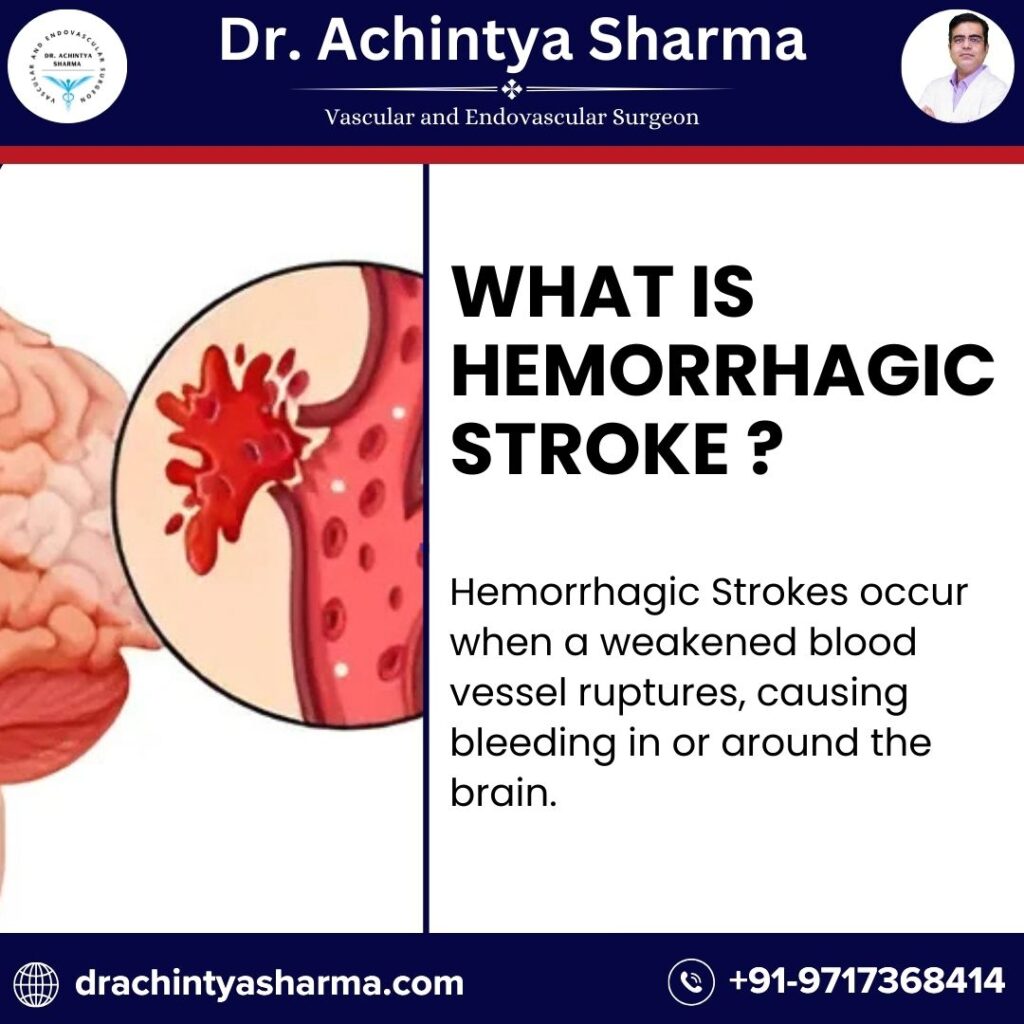
Subtypes of Hemorrhagic Stroke:
- Intracerebral Hemorrhage: Bleeding occurs directly into the brain tissue, usually due to high blood pressure, trauma, or blood vessel abnormalities.
- Subarachnoid Hemorrhage: Bleeding happens in the space between the brain and its thin covering tissues, often caused by a ruptured aneurysm or head injury.
Symptoms of Hemorrhagic Stroke:
- A sudden, intense headache, often described as the worst ever experienced.
- Nausea and vomiting
- Stiff neck or sensitivity to light
- Seizures or loss of consciousness
Treatment:
Emergency medical care is critical to control bleeding and reduce brain pressure. Treatment may include surgical intervention, medication to lower blood pressure, or aneurysm repair.
3. Transient Ischemic Attack (TIA): A Warning Sign
A transient ischemic attack (TIA), often referred to as a “mini-stroke,” is a temporary disruption of blood flow to the brain. Unlike other types of strokes, TIAs do not cause permanent damage but serve as a major warning sign for a future stroke.
Key Facts About TIAs:
- 1 in 3 people who experience a TIA will later have a major stroke.
- Symptoms last only a few minutes to hours before resolving.
- Immediate medical evaluation is necessary to prevent a full-blown stroke.
Symptoms of TIA:
- Sudden weakness or numbness (similar to ischemic stroke)
- Slurred speech or difficulty speaking
- Temporary vision loss or dizziness
Treatment:
Doctors may prescribe blood thinners, cholesterol-lowering medications, or recommend lifestyle changes to reduce stroke risk.
4. Cryptogenic Stroke: A Stroke with Unknown Cause
A cryptogenic stroke is a type of ischemic stroke where the exact cause remains undetermined even after extensive medical testing. It accounts for nearly 25-30% of all ischemic strokes.
Possible Hidden Causes:
- Undiagnosed heart conditions (e.g., atrial fibrillation)
- Blood clotting disorders
- Small blood clots that dissolve before detection
Treatment:
Since the cause is unclear, doctors focus on preventive measures, including anticoagulants, heart monitoring, and lifestyle modifications.
5. Brain Stem Stroke: A Rare but Severe Condition
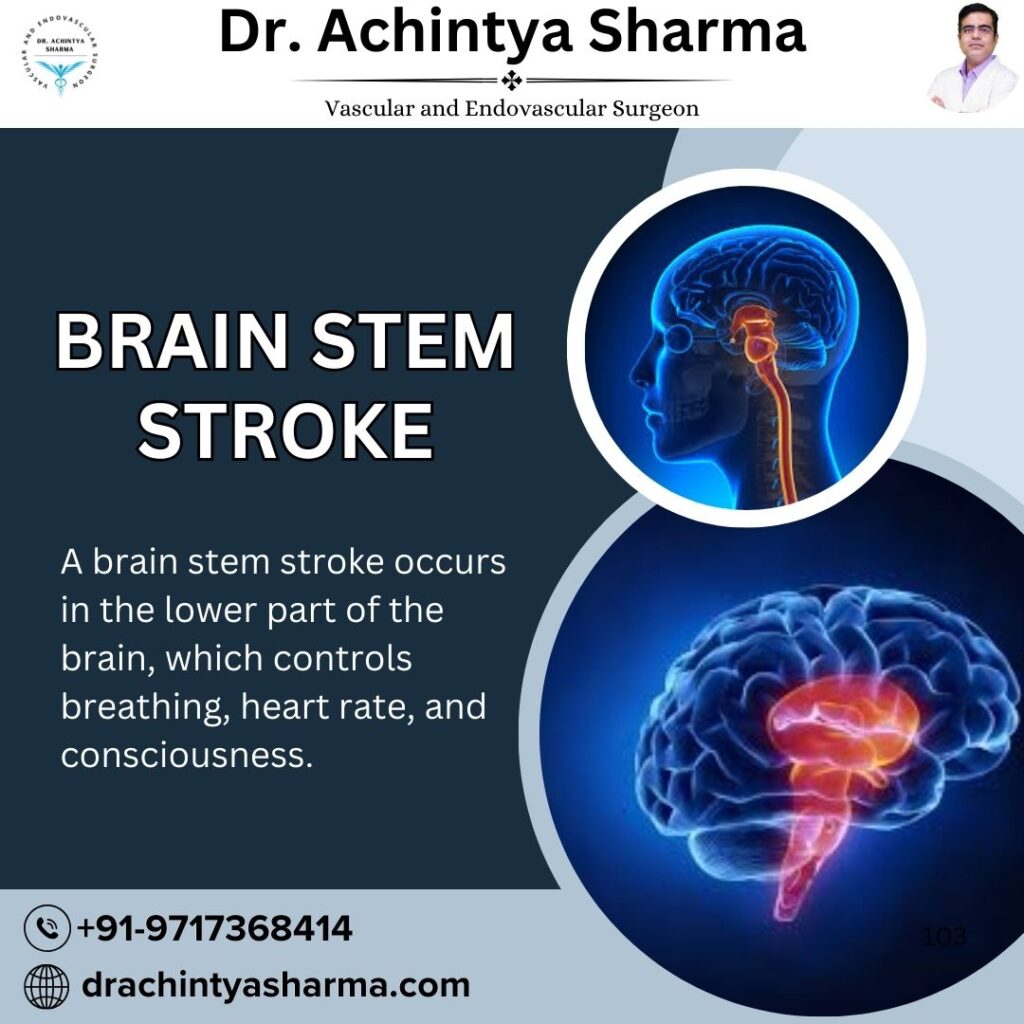
A brain stem stroke occurs in the lower part of the brain, which controls breathing, heart rate, and consciousness. These strokes are less common but extremely dangerous because they affect vital bodily functions.
Symptoms of Brain Stem Stroke:
- Paralysis in all limbs (locked-in syndrome)
- Difficulty swallowing or speaking
- Double vision or loss of consciousness
Treatment:
Urgent medical intervention is required, often involving surgery, rehabilitation, and long-term therapy.
Risk Factors for Strokes
Several factors increase the likelihood of experiencing different types of strokes:
- High blood pressure (leading cause)
- Diabetes (increases stroke risk by 2-4 times)
- Smoking & excessive alcohol consumption
- High cholesterol & obesity
- Heart disease & sedentary lifestyle
Recognizing Stroke Symptoms (FAST Method)
The FAST acronym helps identify stroke symptoms quickly:
- Face drooping
- Arm weakness
- Speech difficulty
- Time to call emergency services
Conclusion
Understanding the types of strokes—ischemic, hemorrhagic, TIA, cryptogenic, and brain stem strokes—can help in early detection and prompt treatment. With millions affected globally each year, awareness and preventive measures are crucial.
If you or a loved one are at risk, consult Dr. Achintya Sharma, a leading endovascular surgeon, for expert stroke treatment. For immediate assistance, contact +91-9717368414. Acting fast can save lives!