Table of Contents
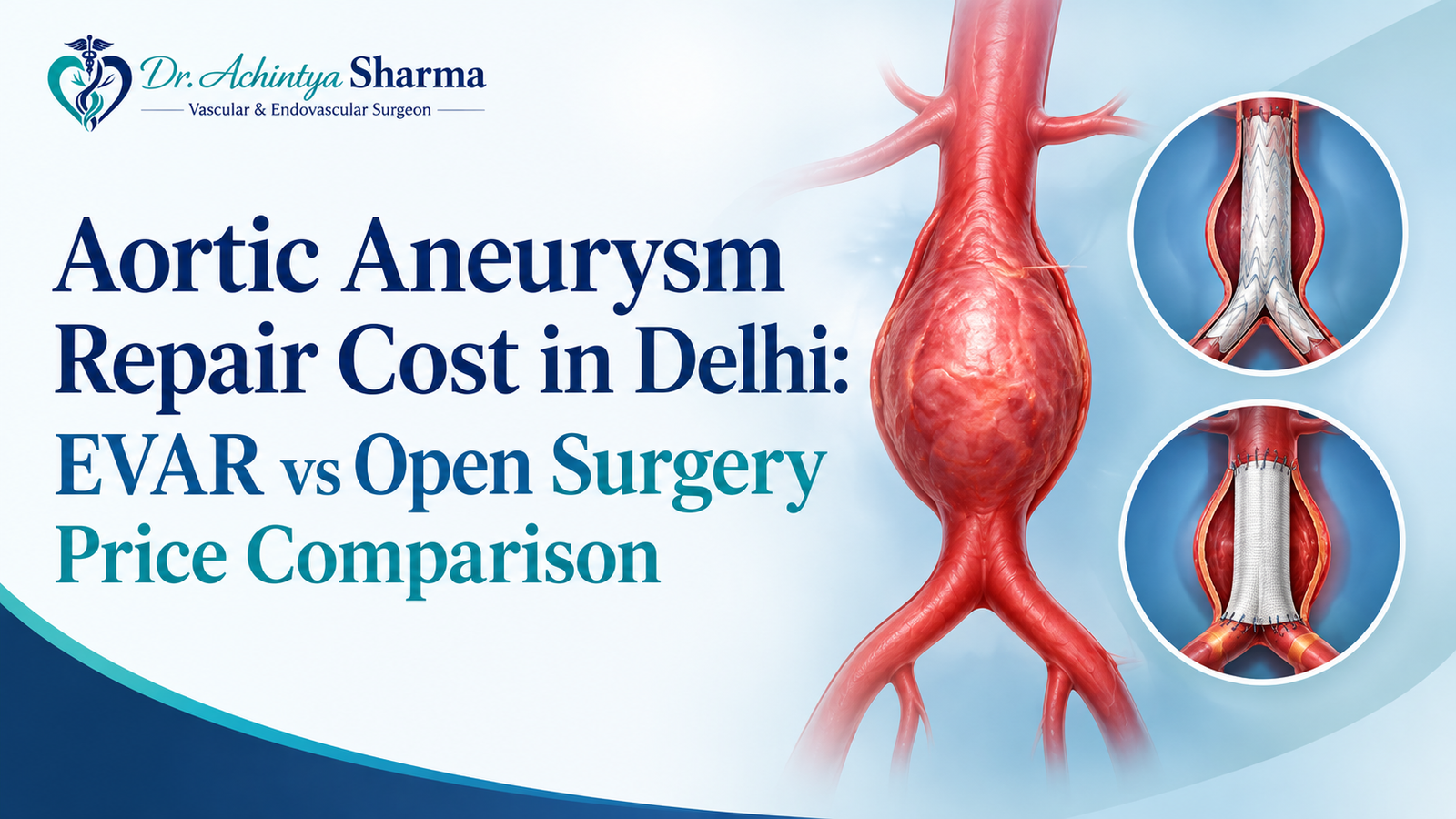
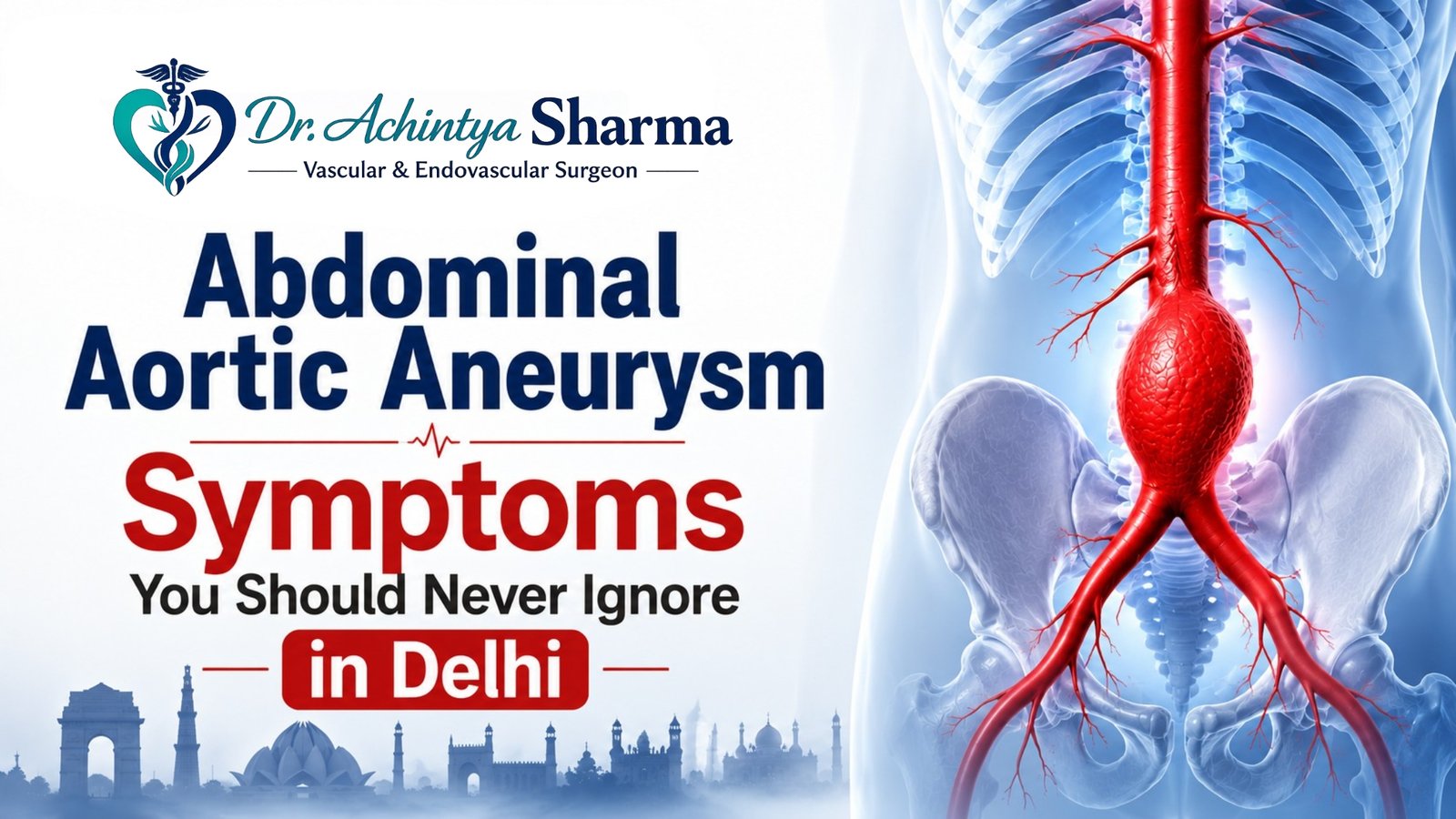
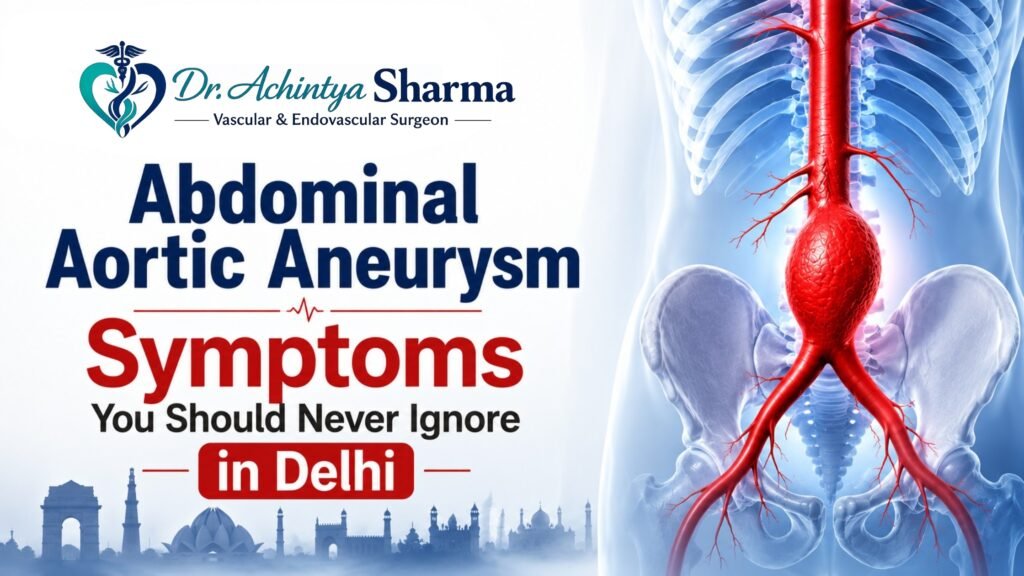
An abdominal aortic aneurysm (AAA) often grows gradually without causing obvious symptoms, making early detection challenging. Many people remain unaware of the condition until it enlarges or begins to create warning signs. Identifying possible symptoms at an early stage and seeking timely medical assessment can help reduce the likelihood of life threatening complications while allowing appropriate monitoring or treatment when necessary.
Quick Answers
| Topic | Answer |
| Best For | Adults at increased risk of vascular disease |
| Location | Delhi, India |
| Ideal Duration | Regular monitoring as advised by a vascular specialist |
| Suitable For | Older adults, smokers, individuals with hypertension, family history |
| Pricing Consideration | Depends on diagnostic imaging and treatment requirements |
| Maintenance Needed | Regular imaging follow ups and effective management of cardiovascular risk factors |
| Alternatives | Lifestyle modification, surveillance, minimally invasive or surgical repair |
| How to Get Started | Schedule a vascular evaluation if risk factors or symptoms are present |
Why Are Abdominal Aortic Aneurysm Symptoms Important?
Abdominal aortic aneurysm symptoms may indicate that the largest artery in the abdomen has weakened and expanded. Early identification allows healthcare providers to assess the condition before a rupture develops, creating better chances for timely monitoring or intervention. Many abdominal aortic aneurysms remain silent for years. When symptoms appear, they may signal aneurysm enlargement or increasing pressure on surrounding tissues. Growing awareness of vascular health, routine imaging, and preventive screening allows earlier
diagnosis in high-risk individuals. Recognizing symptoms promptly supports informed medical decisions and may reduce the risk of life,threatening complications.
Who Should Consider Learning About Abdominal Aortic Aneurysm Symptoms?
Anyone with risk factors for vascular disease should understand abdominal aortic aneurysm symptoms. Awareness supports earlier medical assessment, especially among older adults, smokers, people with high blood pressure, and those with a family history of aneurysms.
People who may benefit include:
- Adults over age 65
- Current or former smokers
- Individuals with hypertension
- Patients with atherosclerosis
- People with connective tissue disorders
- Individuals with a family history of aneurysms
- Healthcare professionals educating patients
- Families supporting older relatives
Understanding warning signs helps people recognize when further medical evaluation may be appropriate.
Expert Insights and Emerging Trends
Vascular specialists increasingly use advanced imaging technologies to detect abdominal aortic aneurysms earlier than ever before. Industry observations suggest that improved ultrasound screening programs continue to identify aneurysms in people without symptoms. Artificial intelligence is also assisting radiologists by supporting image interpretation and helping prioritize abnormal findings for faster review. Research continues to explore individualized treatment strategies based on aneurysm size, patient health, and long-term outcomes rather than relying on a single treatment approach.
How Do Abdominal Aortic Aneurysm Symptoms Compare With Other Conditions?
| Feature | Abdominal Aortic Aneurysm | Kidney Stones | Muscle Strain | Digestive Disorders |
| Cost | Diagnostic imaging required | Variable | Low | Variable |
| Convenience | Requires specialist evaluation | Moderate | High | Moderate |
| Flexibility | Multiple treatment options | Depends on cause | Conservative care | Medical management |
| Maintenance | Regular surveillance | Usually temporary | Exercises | Lifestyle changes |
| Experience | Vascular care | Urology | Orthopedics | Gastroenterology |
| Results | Depends on early detection | Usually good | Good | Depends on diagnosis |
| Pros | Prevents serious complications | Treatable | Often self-limited | Wide treatment options |
| Cons | May remain silent | Painful episodes | Can recur | Symptoms overlap |
Why Do People Consider Dr Achintya Sharma in Delhi?
Many individuals in Delhi seek information from Dr Achintya Sharma because of experience in vascular surgery, access to modern diagnostic techniques, patient focused education, minimally invasive treatment approaches where appropriate, and emphasis on individualized clinical decision making. Educational resources also help patients better understand vascular conditions and available management options.
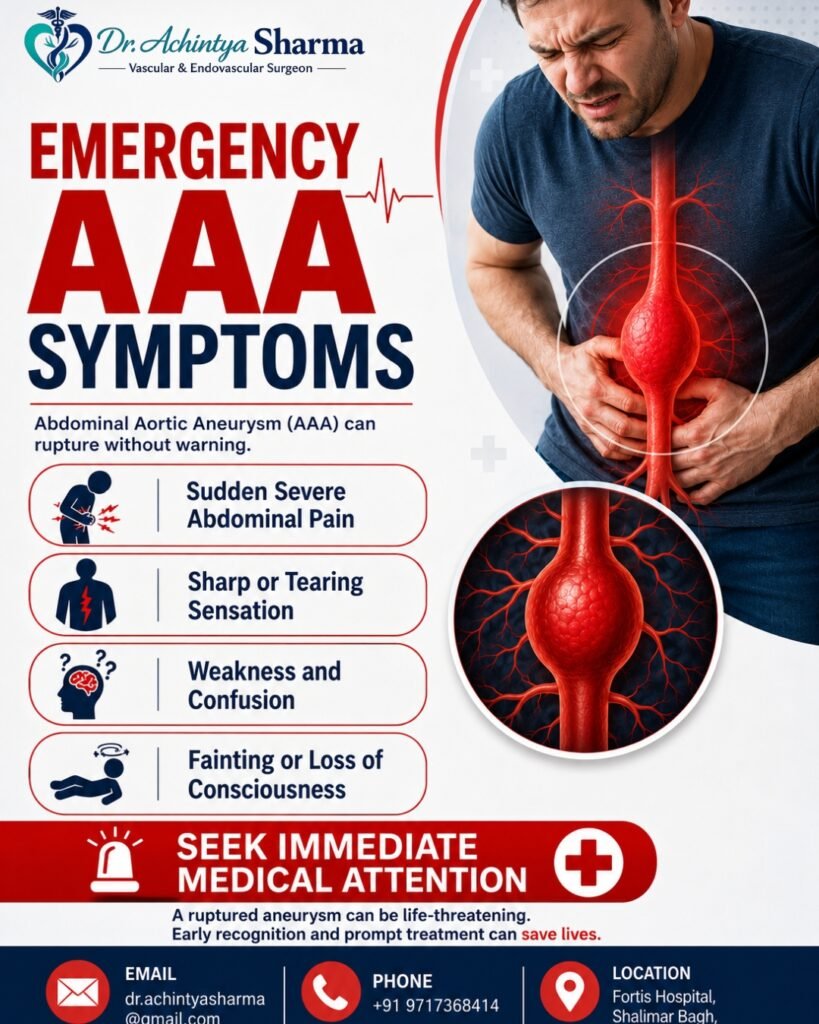
What are emergency AAA symptoms?
Emergency AAA symptoms include sudden severe abdominal pain, intense back pain, dizziness, fainting, rapid heartbeat, and signs of shock. These symptoms may indicate aneurysm rupture, which requires immediate emergency medical treatment. Delaying care can significantly increase the risk of serious complications.
Frequently Asked Questions
1. What are the first abdominal aortic aneurysm symptoms?
Many aneurysms have no early symptoms. When present, symptoms may include abdominal discomfort, lower back pain, or a pulsating feeling in the abdomen.
2. What causes an abdominal aortic aneurysm?
Common causes include aging, smoking, atherosclerosis, hypertension, genetics, and connective tissue disorders.
3. Are AAA symptoms always painful?
No. Many abdominal aortic aneurysms do not cause noticeable symptoms until they increase in size or experience a rupture.
4. Is screening recommended?
People over 65 with significant risk factors may benefit from screening. Recommendations vary depending on individual risk.
5. Can abdominal aortic aneurysms be treated without surgery?
Small aneurysms are often monitored with regular imaging while risk factors are carefully managed.
6. When should I seek emergency care?
Seek urgent medical help immediately if you experience intense abdominal pain, sudden back pain, fainting, or signs of shock.
7. Are abdominal aortic aneurysm symptoms in women different?
Symptoms are generally similar, although women may present differently and should not ignore persistent abdominal or back pain.
8. What lifestyle changes help reduce risk?
Stopping smoking, controlling blood pressure, maintaining healthy cholesterol, exercising regularly, and following medical advice support vascular health.
Conclusion
Understanding abdominal aortic aneurysm symptoms and recognizing important AAA symptoms can support earlier diagnosis, timely intervention, and more informed healthcare decisions. Because many aneurysms develop without noticeable warning signs, awareness of risk factors and regular medical evaluation are essential, especially for individuals at higher risk. Educational resources from Dr Achintya Sharma help patients in Delhi better understand vascular conditions, available diagnostic methods, advanced treatment options, and preventive care strategies. Comparing expert recommendations, discussing symptoms with a qualified vascular specialist, and seeking prompt medical attention when concerns arise are important steps in protecting long term vascular health and overall well-being.