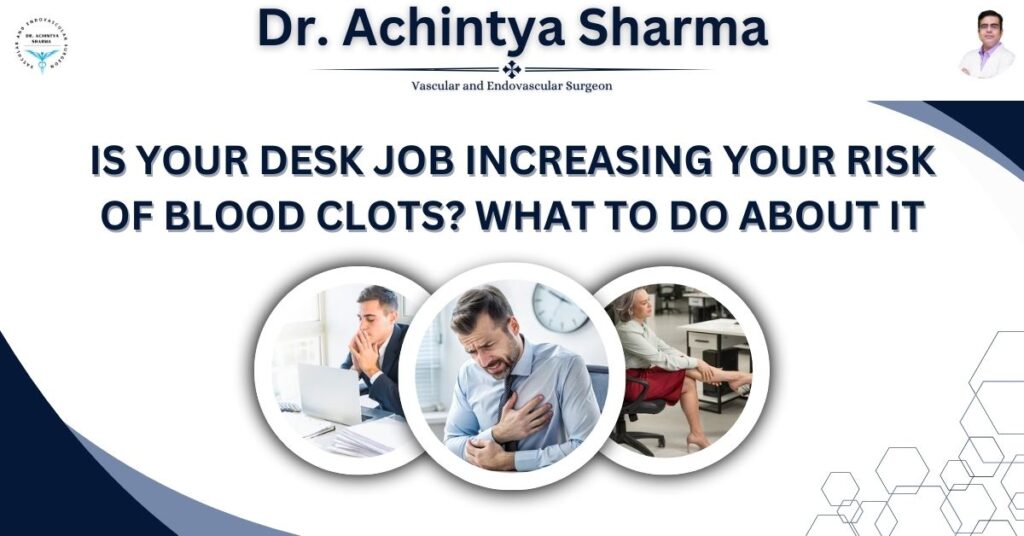
Imagine spending long hours at your desk, unaware that your body might be silently developing a life-threatening condition. Blood clots, or deep vein thrombosis (DVT), occur when blood flow slows down due to prolonged inactivity, increasing the risk of complications like pulmonary embolism. In India, where desk jobs and sedentary lifestyles are becoming more common, awareness about DVT is still low. If you sit for long hours at work, you could be at a higher risk than you realize.
This article explores how your desk job might be putting you at risk, the warning signs to watch for, and what you can do to prevent it.
How Does a Desk Job Increase Your Risk of Blood Clots?
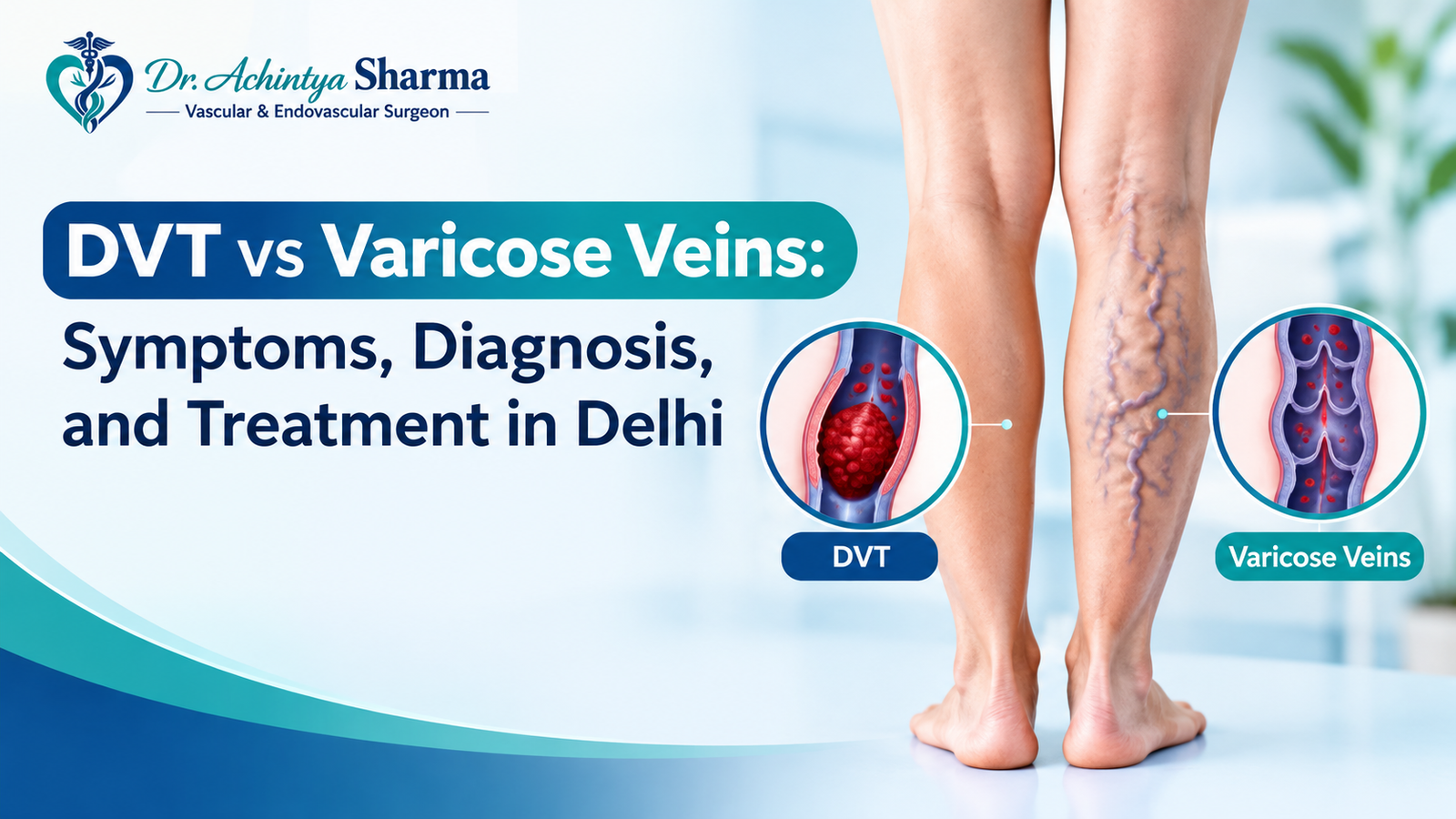
Your body is designed to move. When you sit for extended periods without proper circulation, blood flow slows down, especially in your legs. This can lead to the formation of clots in deep veins, a condition known as deep vein thrombosis (DVT).
Here’s how your desk job might be contributing to the problem:
- Prolonged Sitting: Staying in the same position for long hours reduces blood circulation, increasing clotting risks.
- Poor Posture: Sitting with crossed legs or bent knees restricts blood flow.
- Dehydration: Many employees in India avoid drinking enough water to reduce bathroom breaks, making blood thicker and more prone to clotting.
- Lack of Movement: A sedentary routine without stretching or walking reduces circulation.
- Obesity and Poor Diet: High consumption of processed foods, lack of exercise, and excess weight put extra pressure on veins.
Blood Clots in India: Shocking Facts
- DVT cases are rising in India, especially among young professionals with sedentary jobs.
- A study by AIIMS found that 1 in 3 patients admitted for DVT had a desk job with limited movement.
- India reports over 1 million cases of blood clot-related conditions annually, yet awareness remains low.
- More than 60% of Indians do not exercise regularly, increasing their risk of clot formation.
- Long working hours and work-from-home culture post-pandemic have further worsened the problem.
Signs and Symptoms of Blood Clots
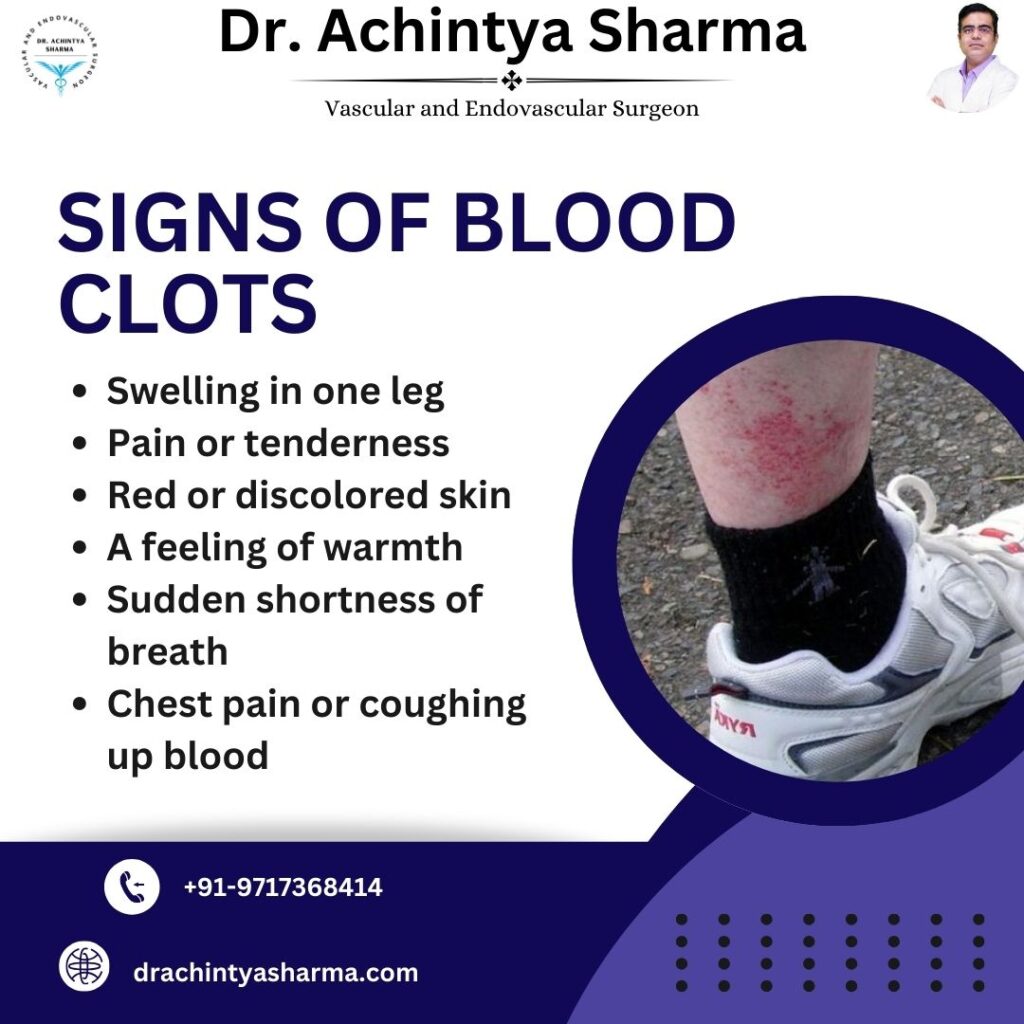
Early detection is crucial in preventing complications. Here are some common warning signs:
- Swelling in one leg (especially the calf)
- Pain or tenderness that worsens when walking
- Red or discolored skin over the affected area
- A feeling of warmth in the affected leg
- Sudden shortness of breath (in case of pulmonary embolism)
- Chest pain or coughing up blood (a medical emergency)
If you experience these symptoms, seek medical help immediately.
How to Prevent Blood Clots If You Have a Desk Job
The good news is that simple lifestyle changes can significantly lower your risk.
1. Move Every 30 Minutes
Set reminders to stand up and stretch every 30-60 minutes. Even a short walk can improve circulation.
2. Stay Hydrated
Drink plenty of water throughout the day. Avoid excessive tea, coffee, and sugary drinks, which can dehydrate you.
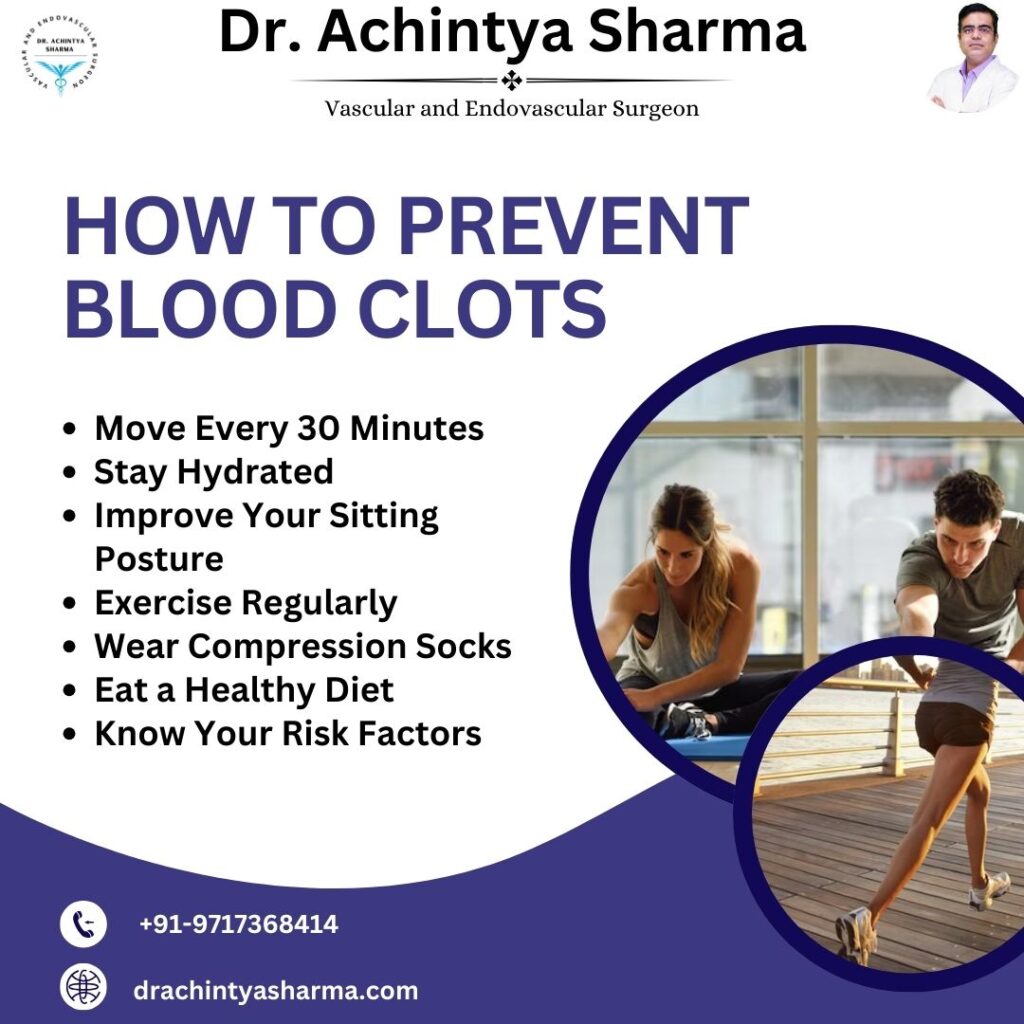
3. Improve Your Sitting Posture
Sit with your feet flat on the floor and avoid crossing your legs. Use an ergonomic chair to support proper posture.
4. Wear Compression Socks
If you are at high risk, compression socks can help maintain blood flow and reduce clot formation.
5. Exercise Regularly
Yoga, brisk walking, cycling, and swimming can improve blood circulation. Aim for 30 minutes of exercise at least five days a week.
6. Eat a Healthy Diet
Increase fiber, omega-3 fatty acids, and vitamin E intake while reducing processed and high-sodium foods.
7. Know Your Risk Factors
If you have a family history of blood clots, obesity, diabetes, or a sedentary lifestyle, consult a doctor for preventive measures.
Why Choose Dr. Achintya Sharma for Vascular Health?
If you’re concerned about your risk of blood clots, Dr. Achintya Sharma is a leading specialist in vascular and endovascular surgery in India. With years of experience in treating conditions like DVT, varicose veins, and arterial diseases, Dr. Sharma provides personalized care and advanced treatment options for optimal vascular health.
Take Action Before It’s Too Late
Don’t wait until symptoms appear—prevention is key! Small lifestyle changes can significantly reduce your risk of blood clots. If you experience any warning signs or have a high-risk lifestyle, consult Dr. Achintya Sharma for expert guidance.