A vascular artery disease that involves a gradual or total obstruction of arteries by no matter fatty materials or blood clots, brings about great danger for people’s health and impacts on people all over the world. This text explores vascular aruterial disease, a condition that affects the blood vessels, with a detailed discussion of its symptoms, causes, and treatment. Through breaking down the symptoms such as pain, fatigue, and even numbness promptly, people are always able to obtain on time medical help where necessary. The guide equally covers the reasons, which cover the factors of lifestyle, genetics, and underlying medical conditions that cause arteriogenesis. Moreover, it provides an array of treatment therapies from standard steps like lifestyle modifications and drugs to innovative operations. readers will be able to grasp the main idea of protecting the health of people thoroughly.
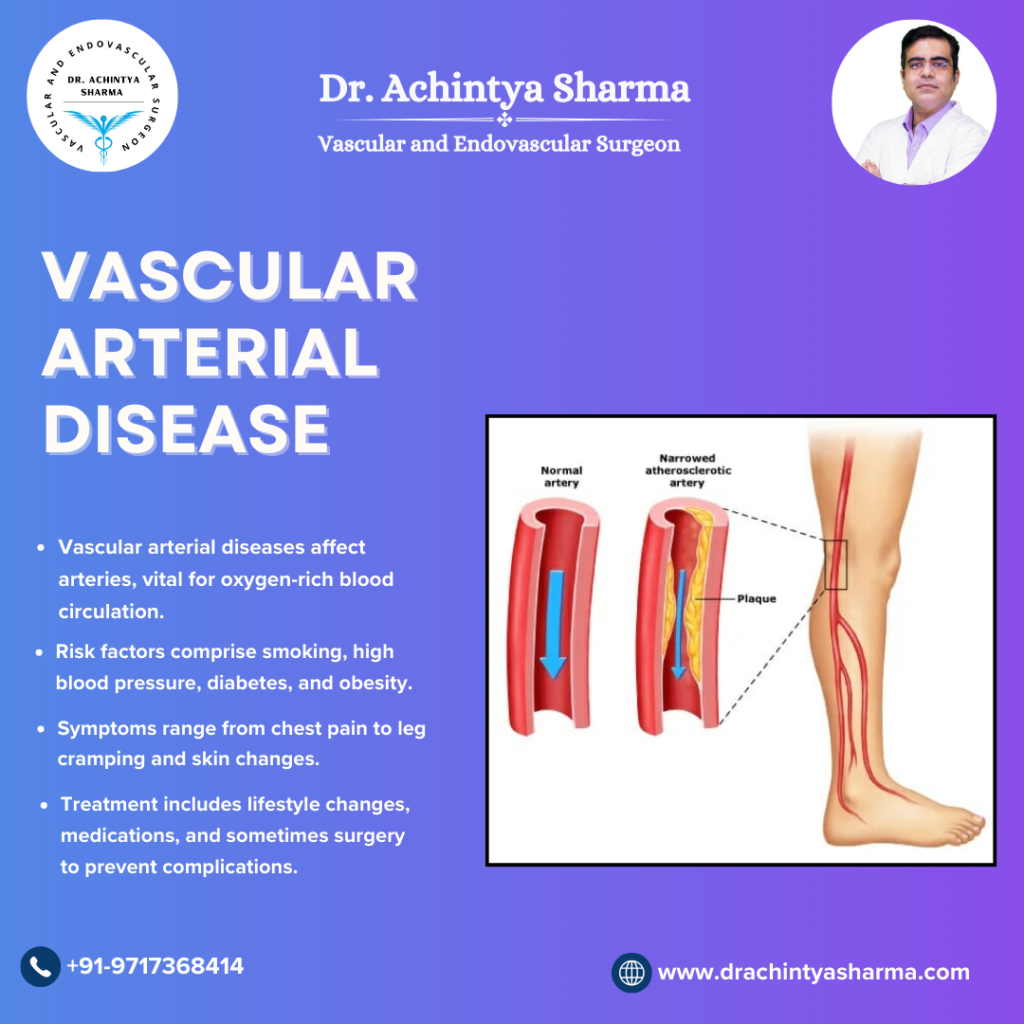
What is Vascular Arterial Disease (VAD)?
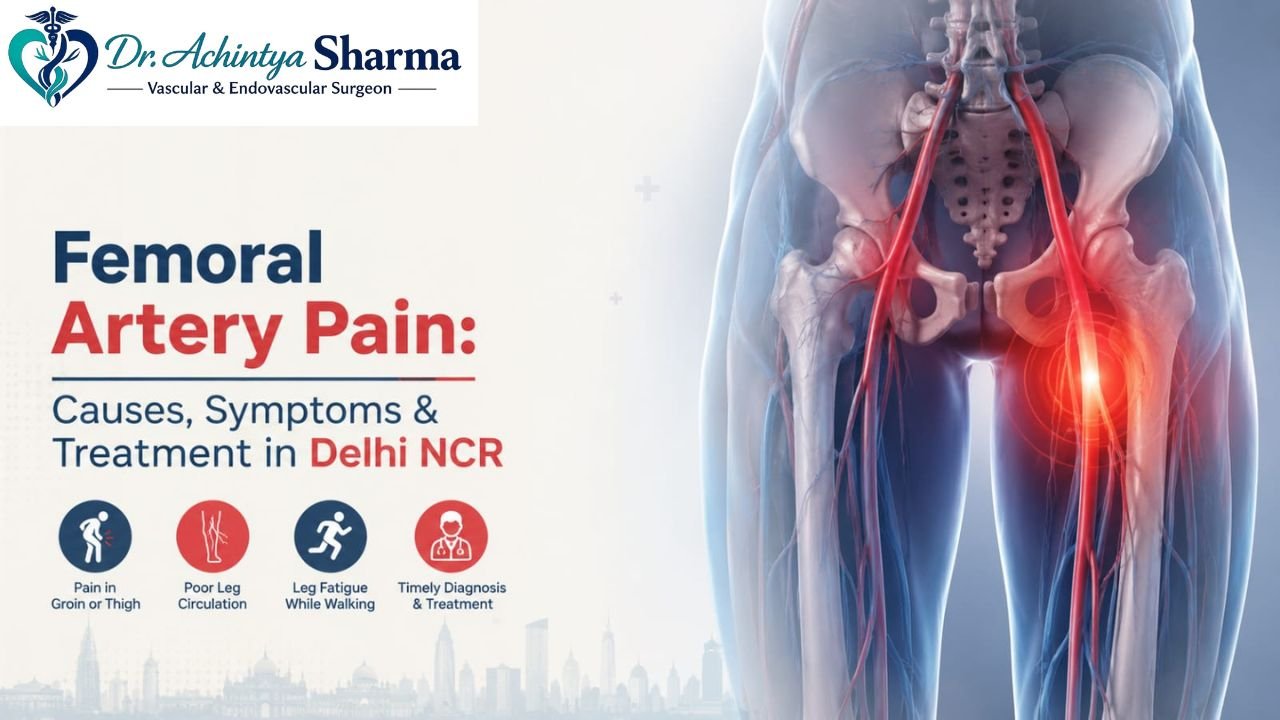
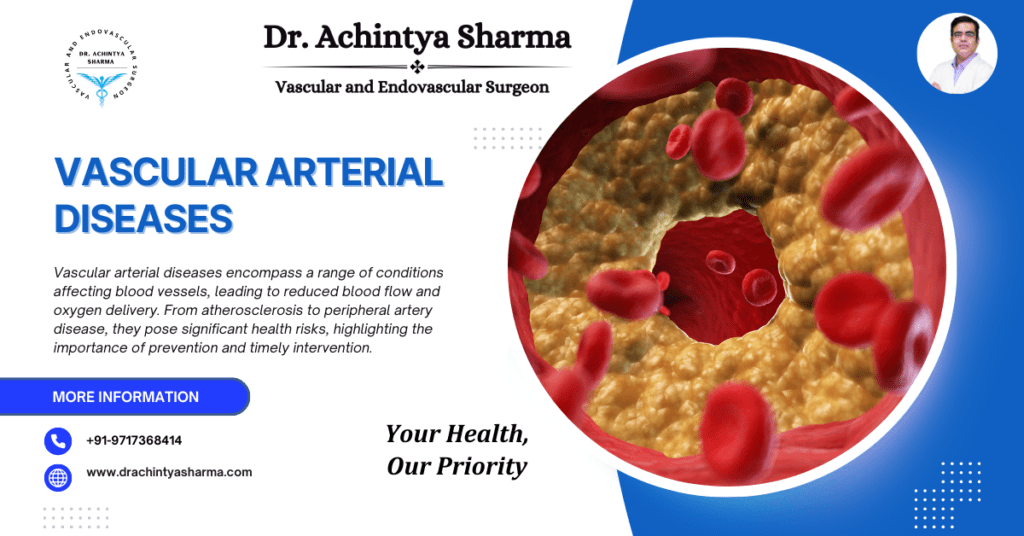
The accumulation of plaques in the arteries causes the hardening and narrowing of vascular arteries. Your body’s arteries can develop such a condition, but it is more common in the legs. The patient may experience a slight tingling sensation or face severe problems like gangrene and amputation due to insufficient oxygen supply.
Vascular diseases have different sets of symptoms
Intermittent Claudication: These issues are created in the legs or arms by exertion. They stop with the termination of the exercise.
Numbness or Weakness: A sense of dizziness or numbness in the legs.
Coldness in Lower Leg or Foot: And I really mean this being that you are compared with the other leg.
Sores that Won’t Heal: Flat seeping or cuts between the toes, on the foot or legs that take a long period to heal Discoloration: Whatever way the shoes are shining on the legs, or the blue-ish or just pale colors.
Causes and Risk Factors
Several factors can increase your risk of developing vascular arterial disease: Several factors can increase your risk of developing vascular arterial disease:
Smoking: The most dangerous risk factor among all is cigarette smoking, which by itself is capable of worsening the lining of arteries, leading to their obstruction.
Diabetes: High blood sugar may affect your vessel condition by disease.
Obesity: The secondary effect of this weight is that it leads to atherosclerosis.
High Blood Pressure and Cholesterol: They may appear to be harmless, but do long-term effects that include artery damage.
Age and Family History: Age and the vascular or heart disease family history are the main factors in this context.
Correct Time for Persons with Venous Conditions to Consult Specified Doctors
In the case you see any signs of vascular problems, I’d advise you to visit a clinician, doctor specialist, or any other professional in the field of vein problems. Sometimes, interventional radiologists, who are mostly vascular surgeons or specialists, do a diagnostic procedure and a line of care. The patients should visit vascular surgeons or specialists for these procedures. The physician will utilize a specific set of assessment exercises for your condition such as the ankle-brachial index (ABI), ultrasound, and angiography exams.
Whether we take the road of Action Teams or Innovation in service delivery, the individual actions of all community champions, united in one purpose, will drive vascular artery disease out of our community.
Cure Options for Vascular Arterial Disease
To prevent arterial vascular disease, a regimen consisting of lifestyle modifications and medication is necessary. In extreme situations, surgery may be necessary. Here are some common treatment strategies:
- Lifestyle Changes: People who quit smoking, lead an active life, and consume healthy food significantly improve their health condition today. Quitting the habit of tobacco use leads to slower disease progression and relief of symptoms.
- Medications: The cholesterol-reducing drugs, blood pressure medications, and aspirin can prevent blood clots as a way of managing the disease.
- Surgical Procedures: In some severe cases, angioplasty, stenting, or bypass surgery can be helpful to restore the appropriate blood flow.
Prevention and Long-Term Management
A good lifestyle under vascular arterial disease prevention management would be to have controlled risk factors. By having visit the doctor regularly for vein problems, you can monitor your outcome and adjust treatment accordingly. Comply with the recommended diet plan, exercise regularly to maintain weight, and check your blood sugar levels carefully as directed by your doctor, and you will be able to greatly diminish this risk and manage this disease effectively.
Conclusion
Generally, vascular arterial disease refers to a group of diseases that involves the obstructing or narrowing of arteries, commonly from the accumulation of plaque most often resulting from atherosclerosis. It is essential to identify signs including pain, numbness, and changes in the skin color in order to deliver timely . The main genesis lies in the lifestyle variables i.e. smoking, snacking, laziness, and the co-morbid conditions for example hypertension and diabetes, etc. The range of effective treatment is modal from lifestyle modifications, and drugs to surgeries that are of a high standard and the chance of a good result will depend on the severity of the disease. When people have a good grasp of proper knowledge it turns out that they are able to promote their vascular health.