Vascular diseases affect many people worldwide, yet most of us ignore early warning signs until the condition becomes serious. These diseases involve blood vessels—arteries, veins, and capillaries—that carry blood throughout the body. When vessels become blocked, weakened, or damaged, vital organs and tissues suffer. Getting diagnosed on time and treated quickly is key to staying healthy. In this blog, we will explore what vascular diseases are, their causes, symptoms, prevention, and treatment options. We will also highlight the role of experts like Dr Achintya Sharma, a trusted vascular specialist, in guiding patients toward healthier lives.
Why Vascular Diseases Matter
The vascular system is like an internal transport network, keeping everything supplied and running smoothly. Just as blocked or damaged roads can stop traffic, damaged blood vessels can stop oxygen-rich blood from reaching organs. This can lead to stroke, heart attack, leg ulcers, kidney damage, or even loss of limbs.
According to health studies, these diseases are one of the leading causes of death and disability worldwide. They not only impact physical health but also reduce quality of life. What’s worrying is that many people do not realise they have a vascular condition until it becomes advanced.
What Are Vascular Diseases?
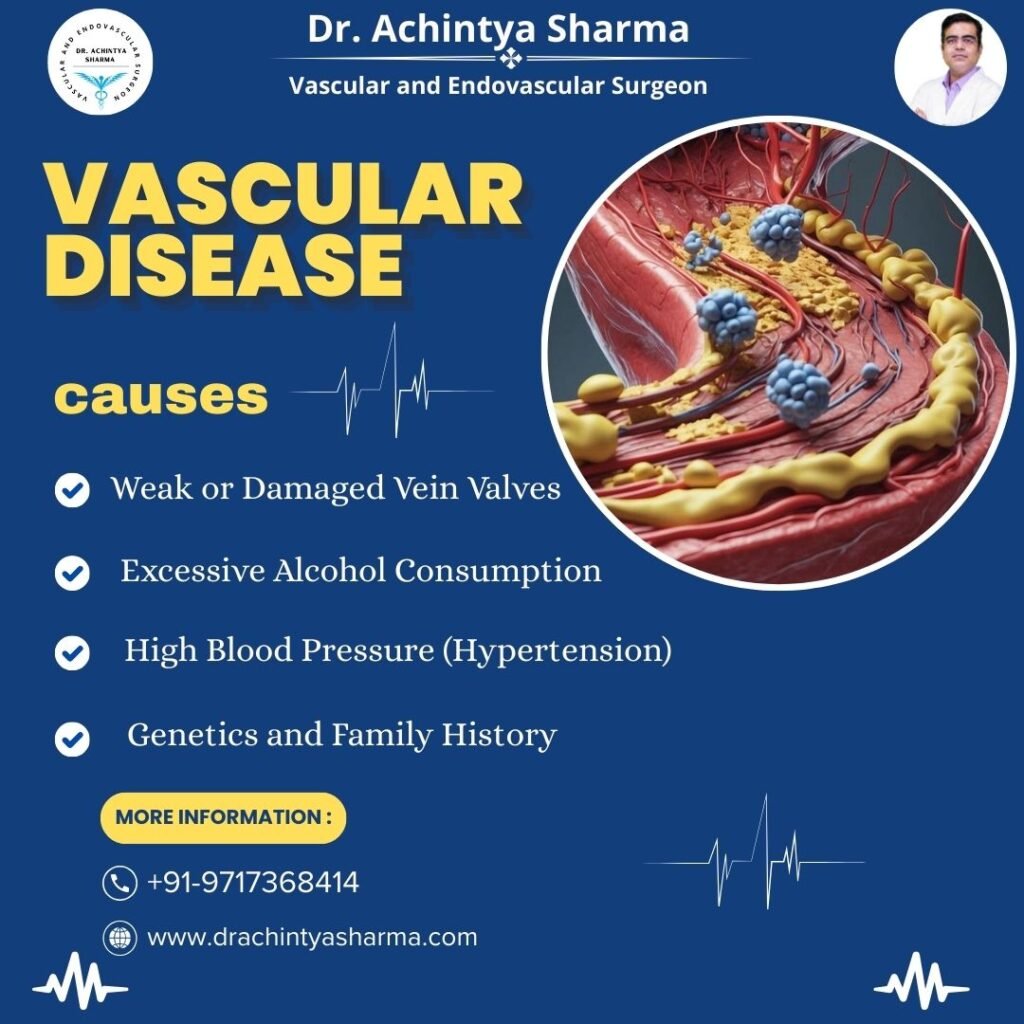
They involve problems in the veins or arteries that may slow or block circulation. Some of the most common are
It’s a condition where arteries get clogged with fat, causing them to stiffen and shrink.
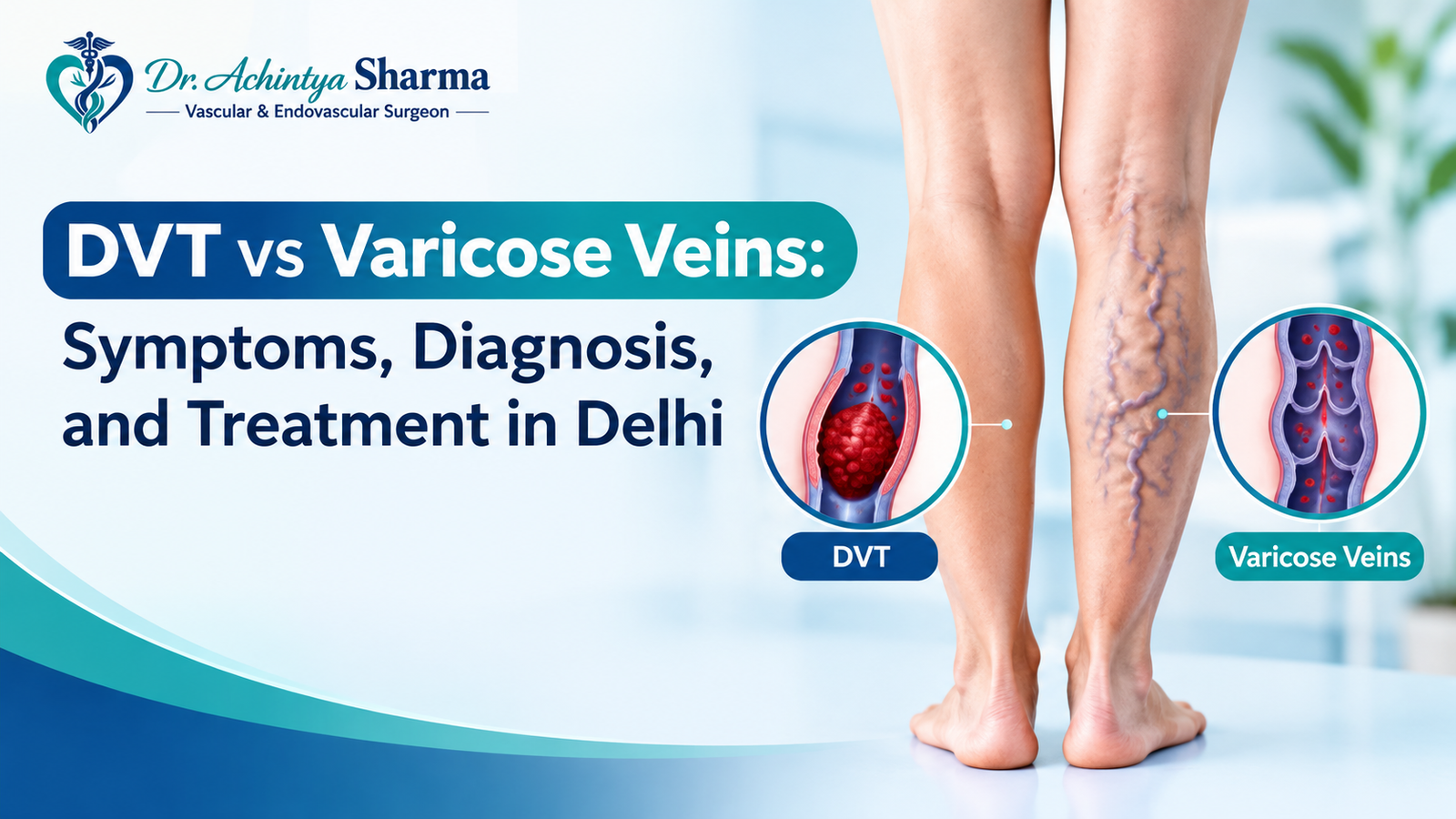
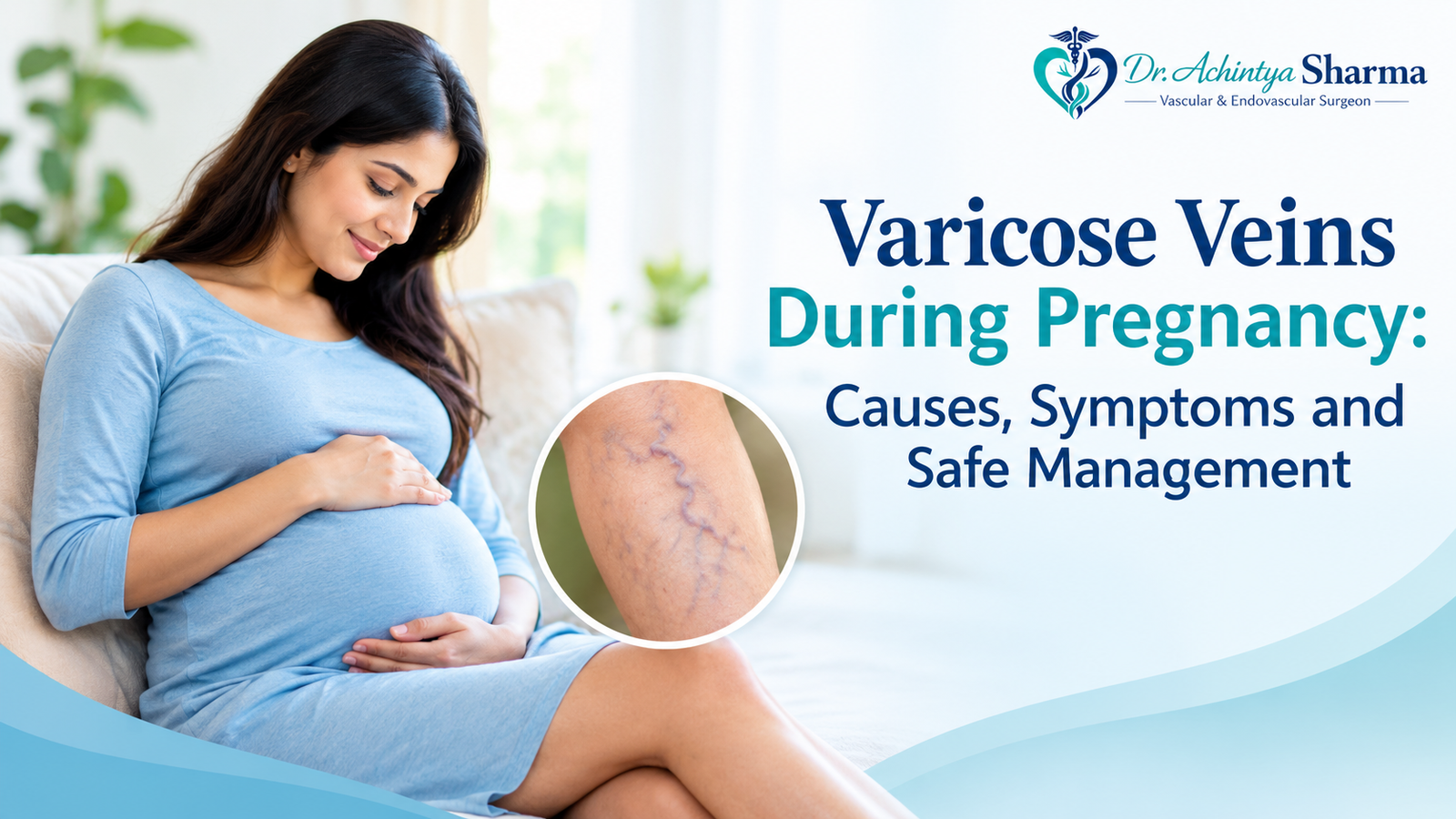
Varicose veins – Twisted, bulging veins in your legs that often lead to discomfort or heaviness.
Carotid artery disease – When the neck arteries tighten or narrow, less blood reaches the brain, which can lead to a higher chance of stroke
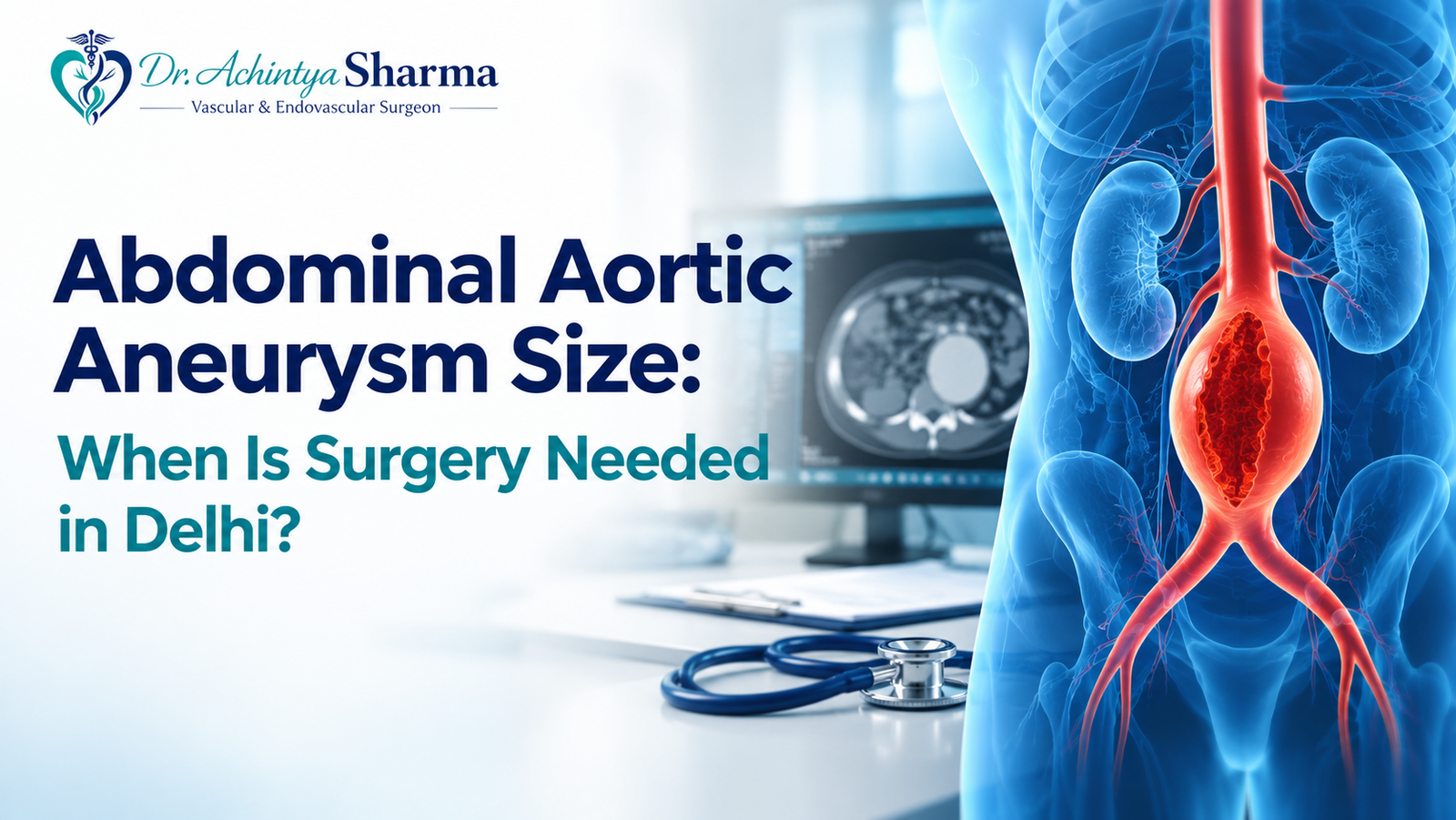
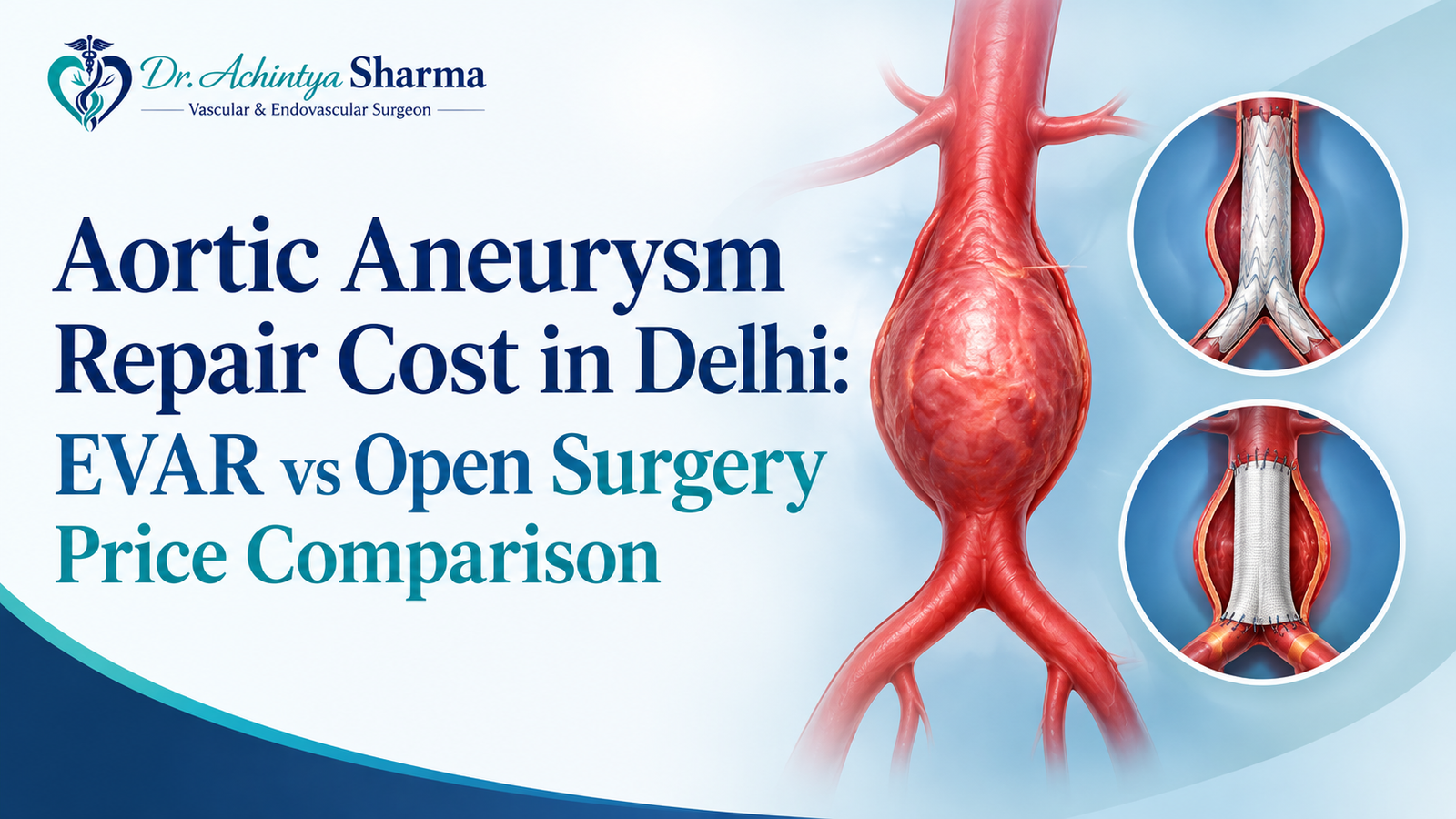
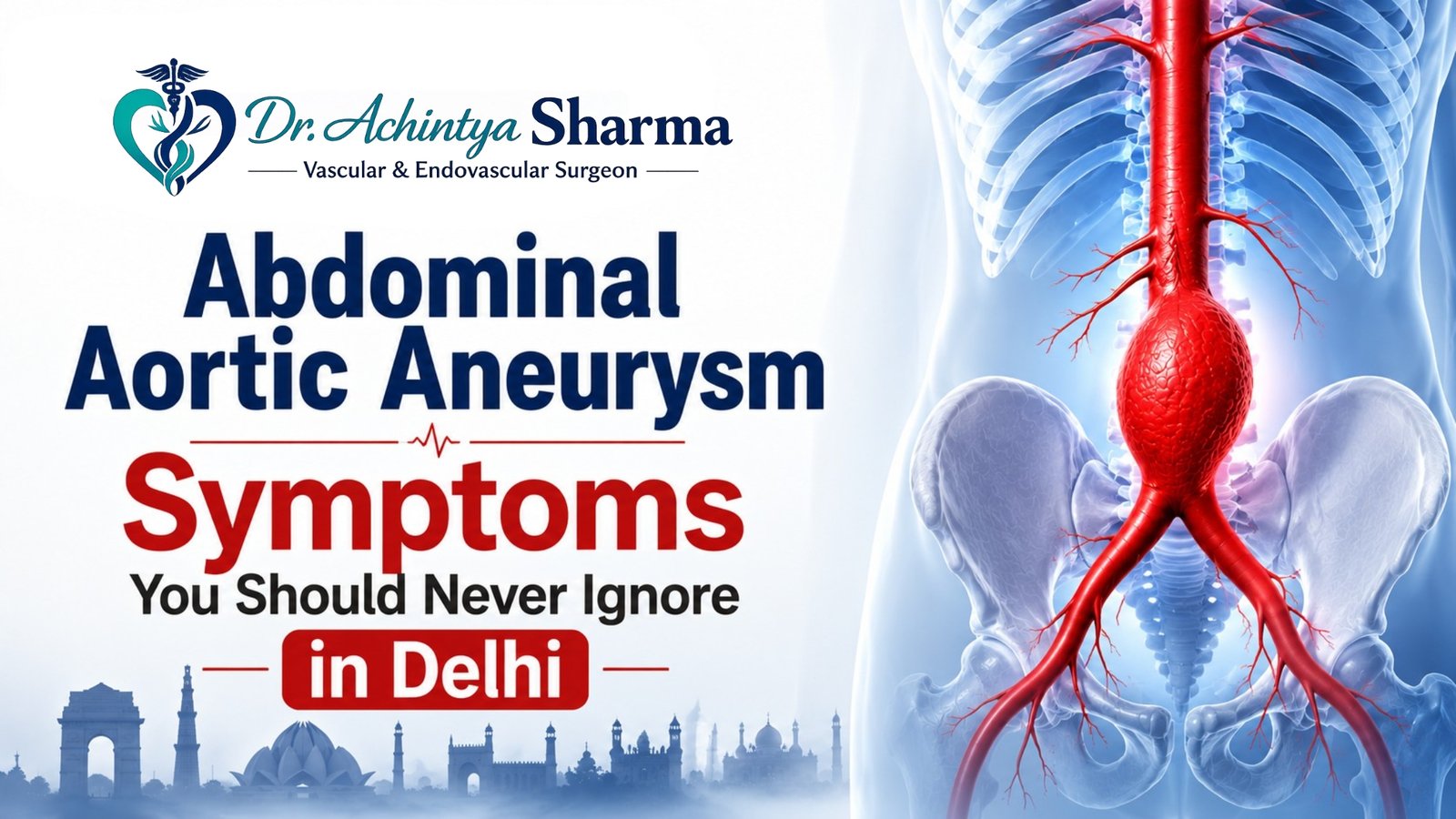
Aneurysms—abnormal bulging in artery walls that can rupture.
Deep vein thrombosis It’s a condition where clots develop in deep veins, often leading to leg pain and swelling
These conditions may sound different, but they share one common factor—poor blood circulation that puts life at risk.
Causes, Symptoms, and Prevention
Causes
- High cholesterol
- High blood pressure
- Obesity
- Diabetes
- Lack of physical activity
- Family history of vascular conditions
Symptoms
- Swelling in legs
- Varicose veins
- Numbness or weakness in arms or legs
- Non-healing wounds on the feet
- Dizziness or sudden vision problems
Ignoring these symptoms can be dangerous.
Prevention
- Quit smoking
- Exercise regularly
- Eat a balanced diet low in saturated fats
- Control blood sugar and blood pressure
- Maintain a healthy weight
- Go for regular check-ups.
Treatment and Expert Care
Lifestyle changes—diet, exercise, and quitting smoking.
Medications – used to manage blood pressure, lower cholesterol, or reduce the risk of blood clots.
Minimally invasive procedures—such as angioplasty, stenting, or laser treatment for veins.
Surgery—for severe blockages, aneurysms, or advanced varicose veins.
Seeking expert guidance is crucial. Specialists like Dr Achintya Sharma use advanced techniques and a patient-first approach to provide effective treatments. His expertise in minimally invasive vascular procedures helps patients recover faster with fewer complications. Choosing the right doctor ensures better outcomes and long-term health.
FAQs
Q1. What are vascular diseases?
These are conditions that affect the blood vessels—arteries, veins, and capillaries—leading to reduced or blocked circulation.
Q2: What symptoms should I look for in the beginning?
Early signs include leg pain while walking, swollen legs, varicose veins, non-healing wounds, dizziness, or numbness.
Q3. Can these conditions be completely cured, or are they only manageable with treatment and lifestyle change?
While some conditions can be fully treated, others require lifelong management with medication, lifestyle changes, or minimally invasive procedures.
Q4. How can I prevent these conditions from developing or getting worse?
Prevention includes quitting smoking, eating a balanced diet, exercising regularly, and managing blood pressure, cholesterol, and diabetes.
Q5. Why consult Dr Achintya Sharma for vascular diseases?
Dr. Achintya Sharma is an experienced vascular specialist known for providing advanced treatments with a personalised approach, helping patients achieve better recovery and long-term vascular health.
Conclusion
Vascular diseases may sound frightening, but with the right awareness, lifestyle changes, and medical support, they can be managed effectively. Paying attention to early warning signs can save lives. The best way to fight these conditions is with regular check-ups, healthy lifestyle choices, and timely treatment. If you notice symptoms like leg pain, swelling, or varicose veins, don’t delay seeking help. Experts like Dr Achintya Sharma provide advanced care and guidance to keep your vascular health strong. Take the first step today—your blood vessels carry life itself, so protecting them should always be a priority.