Peripheral Vascular Disease: Causes, Symptoms, and Effective Treatments
Peripheral vascular disease is a condition where arteries outside the heart and brain, especially in the legs, become narrowed and restrict blood flow. At first, the symptoms may seem small—leg cramps, cold feet, or wounds that take longer to heal. Many people ignore these signs, assuming it’s just ageing or tiredness. But this condition is far more serious than it appears. If left untreated, it can lead to complications like stroke, heart attack, or even limb loss. The good news is that peripheral vascular disease can be managed effectively. These experts provide advanced treatments that improve circulation and help patients live healthier, safer lives.
Why Peripheral Vascular Disease Matters
Peripheral vascular disease often develops slowly and quietly. You might first notice pain or cramps in your legs when walking, which go away after rest. Over time, however, this pain gets worse, and blood flow to your legs decreases further. Ignoring it increases the risk of severe complications like gangrene, stroke, or heart disease.
This is why awareness matters. Recognising symptoms early gives you the best chance to control the disease. Many people only act when it becomes unbearable, but the truth is that timely diagnosis and treatment can prevent major health problems.
Signs and Causes You Shouldn’t Overlook
Shows itself in many ways. Look out for:
- Leg pain or cramping while walking (relieved with rest)
- Weakness, numbness, or tingling in the legs
- Cold or pale feet compared to the rest of the body
- Wounds or sores that heal slowly or don’t heal at all
- Shiny skin, loss of hair, or weak pulse in the legs
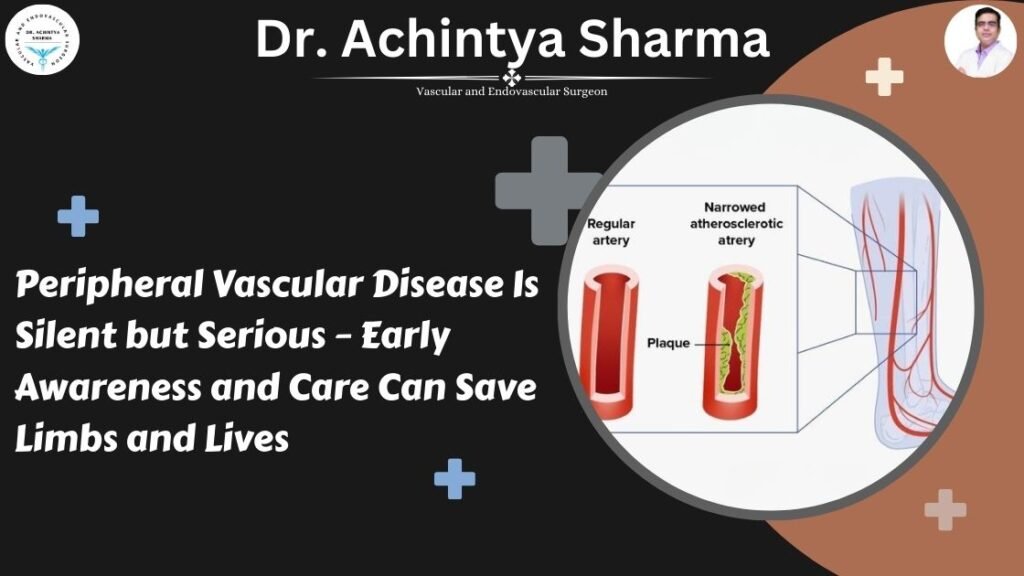
The main cause is atherosclerosis, where fatty deposits build up inside artery walls. These deposits make the arteries narrower and reduce circulation. Risk factors include smoking, diabetes, obesity, high cholesterol, and high blood pressure. Family history and age also increase the chances of developing peripheral vascular disease.
Treatments That Restore Vascular Health
The positive news is that peripheral vascular disease is treatable. Doctors choose the right treatment based on the stage and severity of the condition. Common treatment options include:
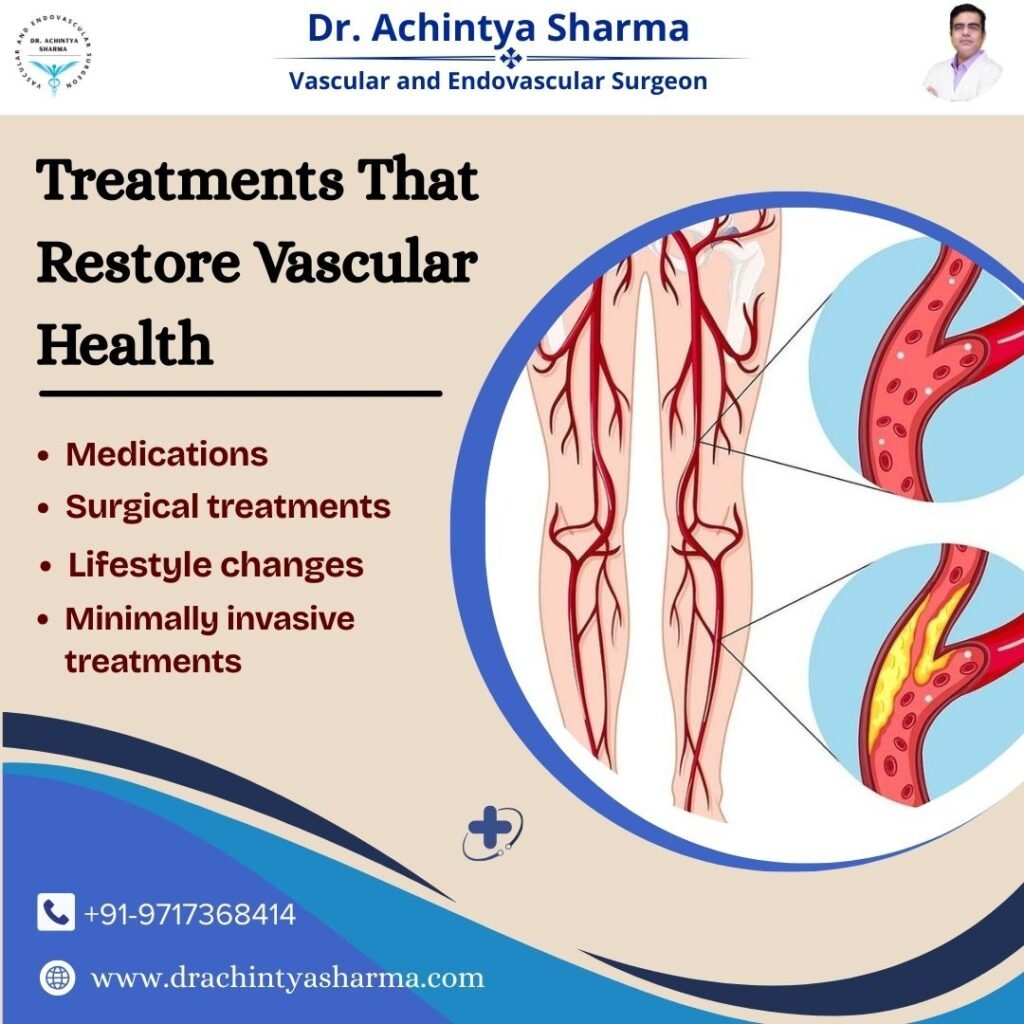
- Lifestyle changes – Stop smoking, eat a balanced diet, and exercise regularly to improve blood flow.
- Medications – To control cholesterol, blood pressure, and diabetes, or to prevent blood clots.
- Minimally invasive treatments – Angioplasty and stent placement open blocked arteries with quick recovery times.
- Surgical treatments – In advanced cases, bypass surgery creates a new route for blood flow.
Specialists like Dr. Achintya Sharma, a leading vascular and endovascular surgeon, use advanced techniques and a patient-focused approach. His care combines medical treatment with lifestyle guidance, helping patients manage their condition and improve their quality of life.
Take Charge of Your Vascular Health
Don’t ignore the warning signs. Persistent leg pain, non-healing wounds, or numbness are not just “normal aging.” They may be early signs of peripheral vascular disease. Acting early makes a huge difference.
If you notice symptoms or fall into a high-risk group, consult a vascular specialist without delay. With early intervention, lifestyle adjustments, and modern treatments, you can control the disease and protect your overall cardiovascular health. Experts like Dr. Achintya Sharma provide the right care to restore circulation and help you live without fear of complications.
Conclusion
Peripheral vascular disease is more than just leg pain—it’s a serious condition that signals poor blood circulation. Left untreated, it can cause severe complications, but with timely care, it is manageable. The key is awareness and early action. Small lifestyle changes, combined with the right medical treatment, can improve circulation and prevent long-term risks. Specialists such as Dr. Achintya Sharma are making a difference every day by offering advanced vascular treatments and guiding patients toward healthier lives. Don’t ignore the signs. Take the first step today and protect your heart, your legs, and your future.
FAQs on Peripheral Vascular Disease
1. What is peripheral vascular disease?
It’s a condition where arteries outside the heart and brain, usually in the legs, become narrowed and reduce blood flow.
2. What are the warning signs?
Leg cramps while walking, cold feet, slow-healing wounds, or skin changes like shininess or discoloration.
3. Who is at risk?
Smokers, diabetics, people with high cholesterol or blood pressure, the overweight, and those with a family history of vascular disease.
4. How is it treated?
Through lifestyle changes, medicines, angioplasty, stenting, or bypass surgery, depending on severity
5. Can it be prevented?
Yes. Avoid smoking, exercise regularly, eat a healthy diet, and manage blood pressure and diabetes to reduce your risk.